

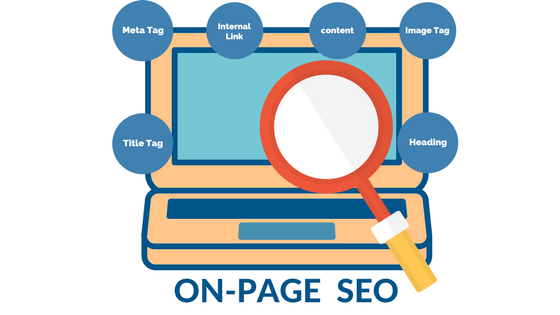
Jakarta, odishanewsinsight.com – On-Page SEO is the process of optimizing individual web pages so they can rank higher in search engine results and provide a clearer, more useful experience for visitors. It focuses on the elements you can directly control on a page, including content quality, headings, keyword placement, title tags, meta descriptions, image optimization, internal links, and page structure. Unlike broader SEO disciplines that depend on external factors, on-page SEO gives website owners a practical way to improve relevance and usability from within the page itself.
What makes on-page SEO so valuable is that it helps search engines understand both the topic of a page and the quality of the experience it offers. A well-optimized page is not just filled with keywords. It is organized logically, aligned with search intent, easy to read, and clearly connected to the rest of the site. In short, on-page SEO is where content strategy stops being theoretical and starts doing real work.
What On-Page SEO Includes

At its core, On-Page SEO includes the visible and structural elements that influence how search engines interpret a page and how users experience it.
Common on-page factors include:
- Title tags
- Meta descriptions
- URL structure
- Headings and subheadings
- Primary and related keywords
- Internal links
- Content depth and clarity
- Image alt text
- Readability
- Schema markup
These components work together to improve both discoverability and user understanding.
Why On-Page SEO Matters
This matters because even excellent content can struggle if it is poorly organized or weakly optimized.
Search Engine Understanding
On-page signals help search engines determine what a page is about and when it should appear in results.
User Experience
A page that is clearly written and logically structured is easier for users to scan, trust, and engage with.
Ranking Support
Good optimization strengthens relevance and quality signals that contribute to search visibility.
Click Performance
Titles and descriptions influence whether users choose your page over competing results.
This is why on-page SEO remains a core part of any effective search strategy.
Key Elements of Effective On-Page SEO
Several page components play a major role in performance.
Title Tag
The title tag should clearly describe the page and include the primary keyword naturally.
Meta Description
A strong meta description summarizes the page and improves click-through potential.
Heading Structure
Proper headings organize content clearly and help both users and search engines follow the page.
Keyword Placement
Keywords should appear in important places naturally, including the title, headings, opening content, and relevant body text.
Internal Linking
Internal links connect related pages, improve navigation, and help search engines understand site relationships.
Content Quality
Useful, accurate, and comprehensive content is one of the strongest foundations of on-page SEO.
Image Optimization
Descriptive alt text and compressed image files improve accessibility and loading performance.
Together, these elements create stronger pages from both a technical and editorial perspective.
On-Page SEO Overview Table
Below is a concise summary of the main dimensions of On-Page SEO.
| Element | Main Role | Why It Matters |
|---|---|---|
| Title tag | Identifies the page topic | Improves relevance and visibility |
| Meta description | Encourages search clicks | Supports click-through rate |
| Headings | Organizes information | Improves readability and structure |
| Keyword usage | Signals topical relevance | Helps query matching |
| Internal links | Connects site content | Supports navigation and crawling |
| Content quality | Delivers user value | Strengthens ranking potential |
Together, these elements show why on-page SEO is both strategic and practical.
Best Practices for On-Page Optimization
A few habits consistently improve results.
Match Search Intent
Build the page around what users are truly looking for, whether that is information, comparison, guidance, or action.
Use Clear Structure
Organize content with logical headings, concise paragraphs, and a strong flow from introduction to detail.
Write Naturally
Include keywords in a way that sounds human and supports understanding, not repetition.
Improve Readability
Use plain language, clean formatting, and scannable sections so readers can find answers quickly.
Add Relevant Internal Links
Link to useful supporting pages where it adds context or next-step value.
Optimize Media
Compress images, add alt text, and make sure visuals support the page rather than slow it down.
Keep URLs Simple
Use short, descriptive URLs that reflect the topic clearly.
These practices help pages perform better while remaining user-friendly.
Common On-Page SEO Mistakes
Some issues reduce effectiveness even when a page covers a valuable topic.
Keyword Stuffing
Overloading content with repeated phrases harms readability and weakens quality.
Weak Content Structure
Poorly organized sections make content harder to scan and understand.
Missing Metadata
Pages without strong titles or descriptions lose opportunities for visibility and clicks.
Thin Content
Shallow pages may fail to satisfy search intent or compete with stronger resources.
Broken Internal Logic
Pages that lack internal links or clear progression can feel isolated and incomplete.
Avoiding these mistakes helps good content reach its full potential.
Why On-Page SEO Continues to Matter
On-Page SEO continues to matter because search engines increasingly reward content that is useful, structured, relevant, and easy to navigate. While algorithms evolve, the core goal remains consistent: helping users find pages that best answer their questions or solve their problems. On-page optimization supports that goal by making a page easier to interpret, easier to use, and more aligned with intent. It remains one of the most direct and controllable ways to strengthen search performance over time.
It continues to matter because it helps:
- Clarify topic relevance
- Improve search rankings
- Increase click-through rates
- Strengthen user experience
- Support long-term content performance
This is why on-page SEO remains a foundational part of effective digital publishing.
Final Thoughts
On-Page SEO is the practice of improving a page’s content, structure, and visible elements so it can rank more effectively and serve users more successfully. When titles, headings, keywords, internal links, content quality, and media are all optimized thoughtfully, a page becomes easier to understand, easier to trust, and more likely to perform well in search results. Strong on-page SEO is not about forcing optimization into content. It is about making the content clearer, stronger, and more useful from the start.
The key takeaway is simple. On-Page SEO matters because better pages create better search performance.
Explore our “”Technology“” category for more insightful content!
Don't forget to check out our previous article: CRM Systems: How Customer Relationship Management Tools Drive Business Growth
