

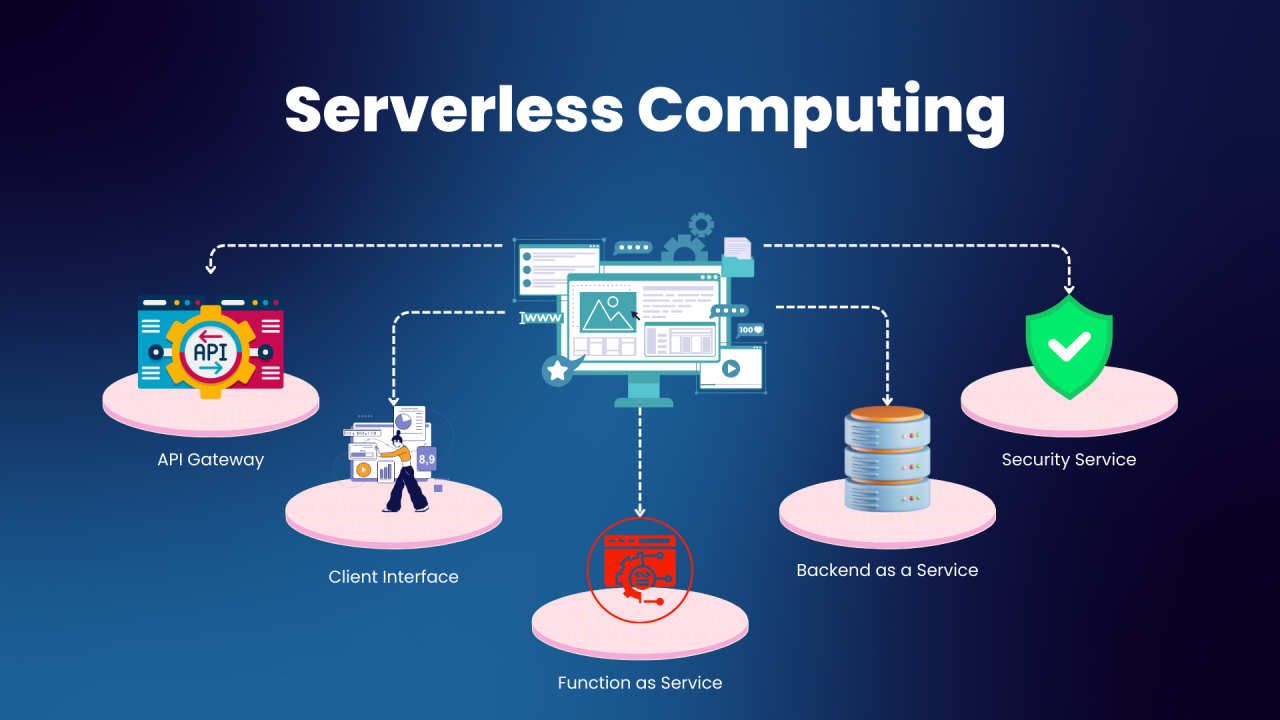
Jakarta, odishanewsinsight.com – Serverless Computing has become an important model in modern software development because it allows developers to build and run applications without managing the underlying server infrastructure directly. Even though servers still exist behind the scenes, the cloud provider takes responsibility for provisioning, scaling, maintenance, and much of the operational overhead. This shift enables teams to focus more on writing application logic and less on configuring environments or maintaining systems.
What makes Serverless Computing especially valuable is the way it simplifies deployment while improving agility. Developers can launch functions or services quickly, respond to changing demand automatically, and often pay only for actual usage rather than reserved capacity. In practical terms, it is what happens when infrastructure stops asking for constant attention and quietly handles its own homework.
Understanding Serverless Computing
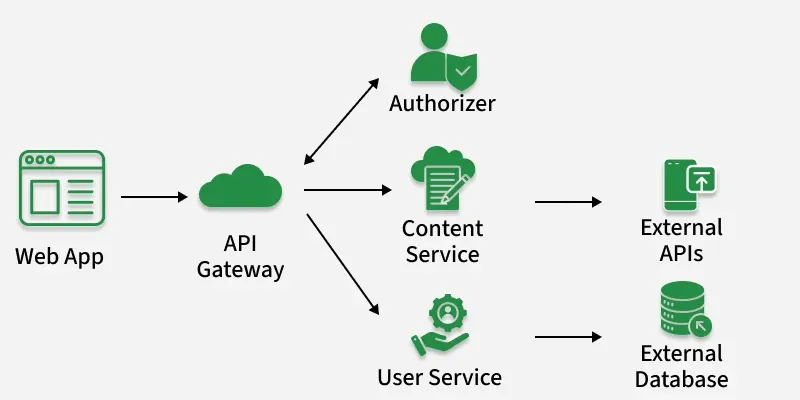
To understand why it matters, it helps to define what Serverless Computing means in modern application architecture.
Core meaning
Serverless Computing commonly refers to:
- A cloud execution model where infrastructure management is abstracted away
- Automatic provisioning and scaling handled by the provider
- Event driven execution of application code
- Billing based on usage rather than continuously running servers
- Faster deployment of lightweight services and functions
These characteristics make serverless a strong option for teams seeking speed and operational simplicity.
Why it matters
Its importance comes from the way it helps:
- Reduce infrastructure management effort
- Speed up application deployment
- Improve scalability with minimal manual intervention
- Lower costs for variable workloads
- Support rapid experimentation and development
This gives serverless computing strong relevance in modern cloud based systems.
How Serverless Computing Simplifies Application Deployment
One of the main advantages of Serverless Computing is how much operational work it removes from the deployment process.
Less infrastructure to manage
With a serverless model, teams do not need to:
- Provision virtual machines manually
- Configure server scaling rules in detail
- Patch operating systems
- Monitor idle capacity the same way as traditional deployments
- Maintain as much infrastructure tooling
This creates a cleaner path from development to production.
Faster release cycles
Because deployment units are often small and independent, serverless supports:
- Rapid testing and release of features
- Easier updates to isolated functions
- Better responsiveness to changing product requirements
- Quicker experimentation with new services
This makes serverless especially attractive for agile development environments.
Key Benefits of Serverless Computing
Beyond simplified deployment, Serverless Computing offers several practical benefits for scalability and efficiency.
Scalability and cost efficiency
Serverless platforms typically provide:
- Automatic scaling based on incoming events or requests
- Resource allocation only when code is running
- Reduced waste during low traffic periods
- Better fit for unpredictable workloads
This can be especially useful for APIs, background jobs, file processing, and event driven systems.
Developer productivity
Serverless also helps improve productivity by:
- Allowing teams to focus on business logic
- Reducing operational distraction
- Supporting modular application design
- Integrating well with managed cloud services
In many cases, it enables smaller teams to deliver capabilities that once required much heavier infrastructure planning.
Below is a concise overview of the main benefits of Serverless Computing.
| Benefit | Main Role | Why It Matters |
|---|---|---|
| Automatic Scaling | Expands resources based on demand | Handles variable traffic efficiently |
| Reduced Operations | Minimizes server management tasks | Frees teams to focus on development |
| Usage Based Billing | Charges for actual execution time | Can reduce cost for intermittent workloads |
| Rapid Deployment | Speeds up feature release | Improves agility and experimentation |
| Managed Infrastructure | Offloads maintenance to providers | Simplifies production operations |
Together, these benefits explain why serverless computing has become a strong option for many modern applications.
Challenges and Practical Considerations
Like any architecture model, Serverless Computing offers trade offs alongside its advantages.
Common challenges
Teams may need to consider:
- Cold start latency
- Vendor lock in
- Debugging complexity
- Limits on execution time or resources
- Monitoring distributed functions across workflows
These issues do not make serverless unsuitable, but they do require thoughtful planning.
When it works best
Serverless is often a strong fit for:
- Event driven applications
- Lightweight APIs
- Automation tasks
- Intermittent or bursty workloads
- Rapidly evolving products
It may be less suitable for long running processes or systems with highly specialized infrastructure needs. So yes, serverless still has servers. Marketing simply decided suspense was more exciting than accuracy.
Why Serverless Computing Matters
Serverless Computing matters because it reflects a broader shift toward abstraction, automation, and faster software delivery in cloud environments.
Growing importance
Its adoption continues to grow because:
- Teams need to ship applications faster
- Cloud providers offer mature managed services
- Operational simplicity is a major priority
- Workloads increasingly benefit from event driven design
Broader significance
Serverless is not just a cost or convenience model. It represents a different way of thinking about deployment, one where developers define behavior and triggers while infrastructure becomes largely invisible. That change can dramatically improve how applications are built, deployed, and maintained.
Key Takeaways
Serverless Computing simplifies application deployment by abstracting infrastructure management, enabling automatic scaling, and supporting faster development cycles.
Main lessons
- Serverless Computing reduces the need to manage servers directly
- It simplifies deployment by offloading provisioning and maintenance to cloud providers
- It supports automatic scaling and usage based billing
- It improves agility, especially for event driven and modular applications
- It offers major benefits, but also requires awareness of latency, limits, and provider dependence
Final perspective
The key takeaway is that Serverless Computing has become a powerful approach for simplifying application deployment in modern cloud development. By removing much of the operational burden and enabling fast, scalable execution, it helps teams build and deliver applications with greater speed and efficiency.
Explore our “”Technology“” category for more insightful content!
Don't forget to check out our previous article: Digital Currency: Money in the Digital Age
