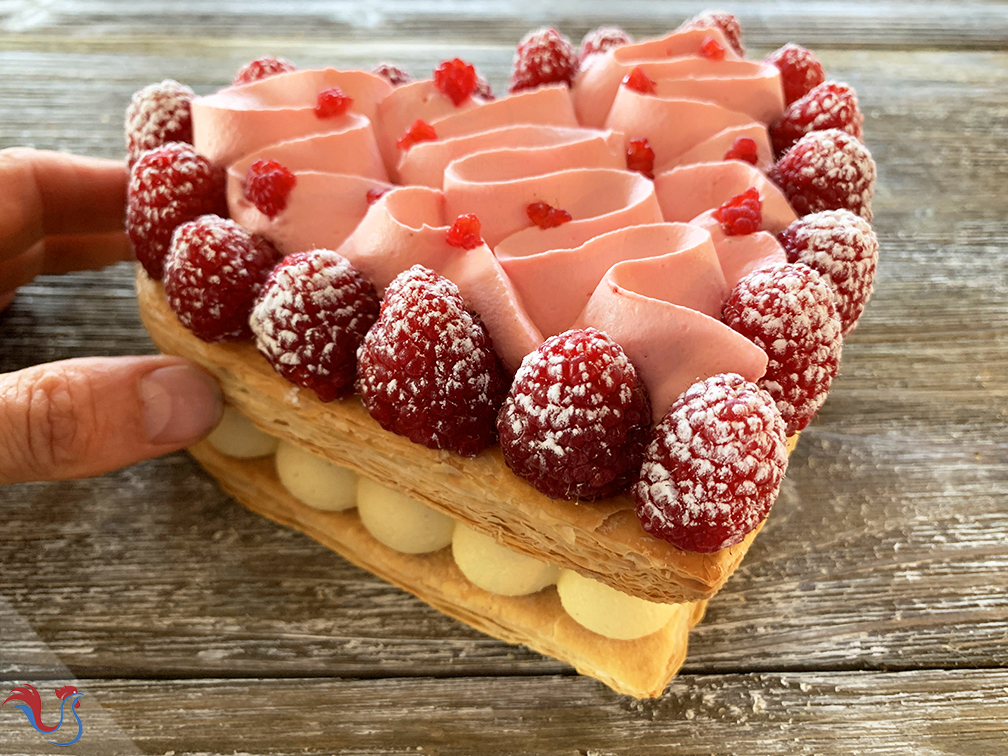
Napoleon cake, known for its delicate layers of puff pastry and creamy filling, is a timeless dessert that has captured the hearts of many around the world. With its crunchy texture from the pastry and rich, velvety cream, this cake is a feast for both the eyes and the taste buds. Originally a French pastry known as Mille-feuille, the Napoleon cake has become a beloved dessert in many countries, particularly in Eastern Europe and Russia, where it has been adapted and embraced with unique variations.
In this article, we’ll dive into the history, key ingredients, and the process of making a classic Napoleon cake, along with some tips to elevate this delicious dessert for any occasion.
The History of Napoleon Cake

While the exact origins of Napoleon cake are a bit unclear, it is widely believed to be derived from the food French Mille-feuille, which translates to “a thousand leaves.” The Mille-feuille, a traditional French pastry, is made of alternating layers of puff pastry and pastry cream. It is said to have been named after Napoleon Bonaparte, the French emperor, though there is no solid evidence linking the dessert to the historical figure.
The name “Napoleon cake” became popular in Eastern Europe and Russia, where it was adapted to suit local tastes. In these regions, the cake became a celebratory dessert, often served at weddings, birthdays, and special occasions. The Eastern European version of the cake may have slight differences in the cream filling, and it is often made with a custard-like filling rather than a traditional French pastry cream.
The Key Ingredients of Napoleon Cake
A classic Napoleon cake is built around two main components: puff pastry and cream. Here are the essential ingredients:
1. Puff Pastry
The signature feature of Napoleon cake is the light, flaky layers of puff pastry. Puff pastry is a type of dough that puffs up into thin layers when baked, creating a delicate and crispy texture. You can make puff pastry from scratch, or for convenience, you can use store-bought puff pastry sheets, which save time and still yield delicious results.
2. Cream Filling
The cream filling is what brings the dessert together, providing richness and moisture to balance the crunchy pastry. There are several variations of the cream filling, but a common choice for Napoleon cake is a mixture of custard and whipped cream.
- Custard: The custard is typically made with milk, sugar, eggs, and flour or cornstarch. This mixture is cooked until thickened, creating a creamy and smooth texture.
- Whipped Cream: The whipped cream adds lightness and volume to the filling, giving it a fluffy texture that complements the crisp pastry.
Some recipes also include vanilla extract for flavoring the cream or add butter for richness.
3. Optional Garnishes
Once the cake is assembled, you can top it with additional decorative touches, such as:
- Powdered Sugar: Lightly dust the top of the cake with powdered sugar for a clean, elegant look.
- Chocolate Shavings or Cocoa Powder: To add a rich contrast to the sweetness of the cake, some versions use grated chocolate or a dusting of cocoa powder.
- Nuts: Crushed pistachios or walnuts can be sprinkled on top for added texture and flavor.
How to Make a Classic Napoleon Cake
Making a Napoleon cake from scratch involves assembling layers of baked puff pastry and filling them with a creamy custard mixture. Here’s a step-by-step guide to making this delicious dessert:
Ingredients:
- 1 package of puff pastry (or homemade puff pastry, if preferred)
- 2 cups whole milk
- 1/2 cup sugar
- 3 large egg yolks
- 2 tablespoons cornstarch
- 1 teaspoon vanilla extract
- 1 cup heavy cream (for whipped cream)
- 2 tablespoons powdered sugar (for whipped cream)
- Optional: chocolate shavings, powdered sugar, or crushed nuts for garnish
Instructions:
Prepare the Puff Pastry:
-
- If you’re using store-bought puff pastry, preheat your oven to the temperature indicated on the package, typically around 400°F (200°C).
- Roll out the puff pastry on a lightly floured surface to about 1/8-inch thickness. Cut the pastry into even squares or rectangles (about 9-12 pieces, depending on the size you want).
- Bake the puff pastry pieces according to the package instructions or until they are golden and puffed up. Allow them to cool completely on a wire rack.
Make the Custard Cream:
-
-
- In a saucepan, heat the milk over medium heat until it begins to steam, but not boil.
- In a separate bowl, whisk together the egg yolks, sugar, and cornstarch until smooth.
- Gradually pour the hot milk into the egg mixture while whisking constantly to temper the eggs.
- Return the mixture to the saucepan and cook over medium heat, whisking constantly until it thickens and begins to boil. Once thickened, remove from heat and stir in vanilla extract.
- Let the custard cool completely. To speed up the process, you can place the saucepan in an ice bath or transfer the custard to a bowl and cover it with plastic wrap (making sure the wrap touches the surface of the custard to prevent a skin from forming).
Prepare the Whipped Cream:
-
- In a chilled mixing bowl, whip the heavy cream with the powdered sugar until stiff peaks form. This will create a light, airy cream to balance the dense custard.
Assemble the Napoleon Cake:
-
- Once the puff pastry, custard, and whipped cream have cooled, it’s time to assemble the cake.
- Place one piece of puff pastry on a serving platter as the base layer.
- Spread a thin layer of custard over the puff pastry. Add a layer of whipped cream on top of the custard.
- Repeat this process, layering puff pastry, custard, and whipped cream until all the pastry sheets are used up. The final layer should be puff pastry on top.
Chill and Garnish:
-
- Once assembled, chill the cake in the refrigerator for at least 2 hours to allow the flavors to meld together and the cream to set.
- Before serving, dust the top layer with powdered sugar or cocoa powder, and garnish with chocolate shavings or crushed nuts if desired.
Serve:
-
- Once chilled and garnished, slice the Napoleon cake into squares or rectangles and serve. Enjoy the balance of the crisp, flaky layers and the rich, creamy filling!
Variations of Napoleon Cake
While the classic Napoleon cake follows the standard recipe with puff pastry, custard, and whipped cream, there are many ways to adapt and personalize this dessert:
- Fruit Napoleon: Add a layer of fresh fruit, such as raspberries, strawberries, or sliced bananas, between the pastry layers for a fresh and vibrant twist.
- Chocolate Napoleon: Incorporate melted chocolate into the cream filling or drizzle chocolate sauce between the layers for a rich, decadent flavor.
- Lemon Napoleon: Add lemon zest or lemon curd to the cream filling for a tangy, citrusy flavor that contrasts beautifully with the sweetness of the puff pastry.
Conclusion
Napoleon cake is a delicious, elegant dessert that offers a perfect combination of textures and flavors. The crispy puff pastry, smooth custard, and airy whipped cream come together to create a treat that’s perfect for celebrations or as a special indulgence. Whether you stick to the classic recipe or experiment with creative variations, Napoleon cake is sure to be a crowd-pleaser. With its light and flaky layers, this dessert offers the perfect balance of indulgence and sophistication, making it a wonderful addition to any occasion.