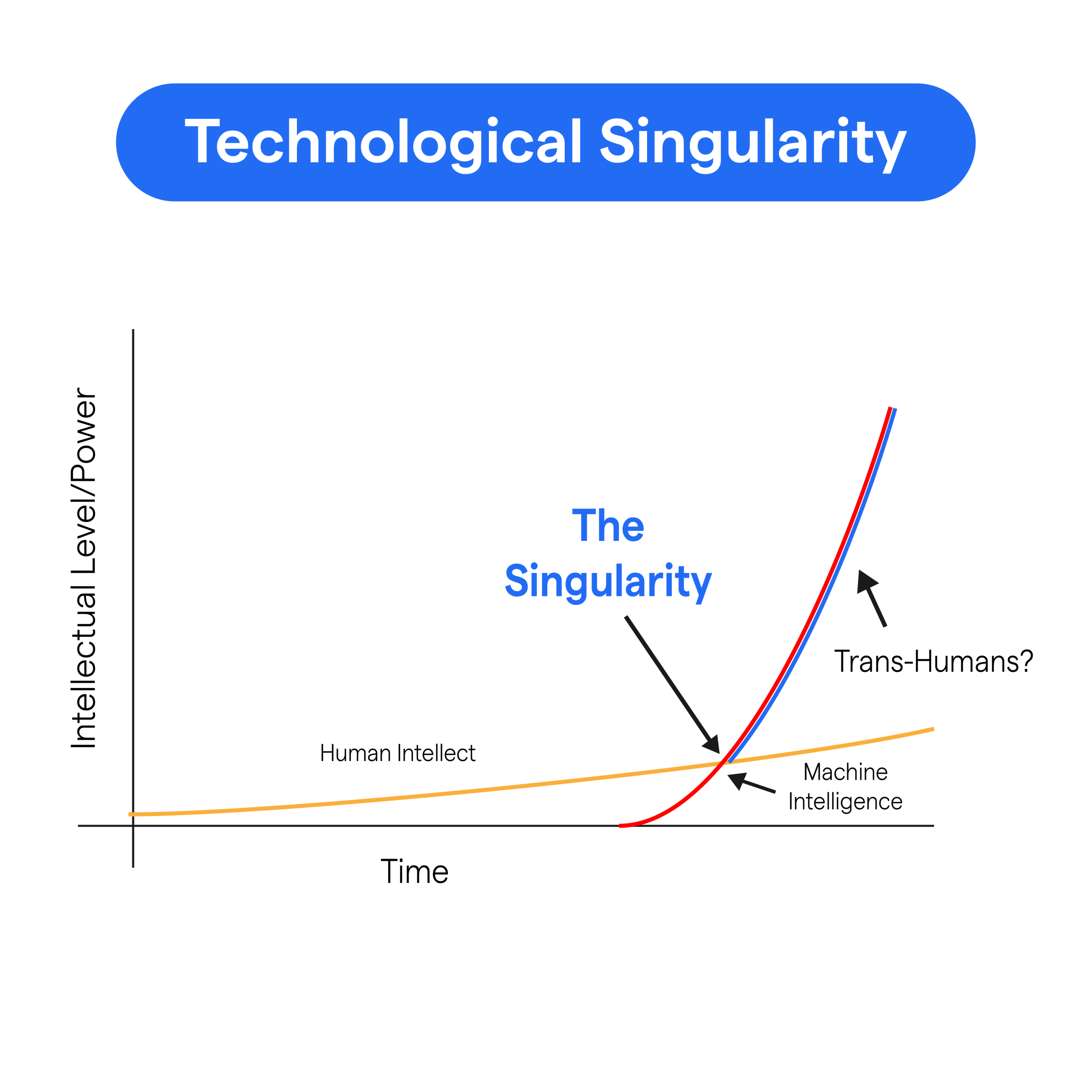
Futurists, scientists, and technologists alike have all been captivated by the concept of the technological singularity. It denotes a speculative future moment when technological progress accelerates beyond our ability to control or reverse it, unleashing unpredictable transformations in human civilization. This phenomenon is often associated with the development of superintelligent artificial intelligence (AI) that surpasses human intelligence and capabilities. In this article, we will explore the concept of the technological singularity, its implications, potential benefits, and the challenges it may pose.
Understanding Technological Singularity
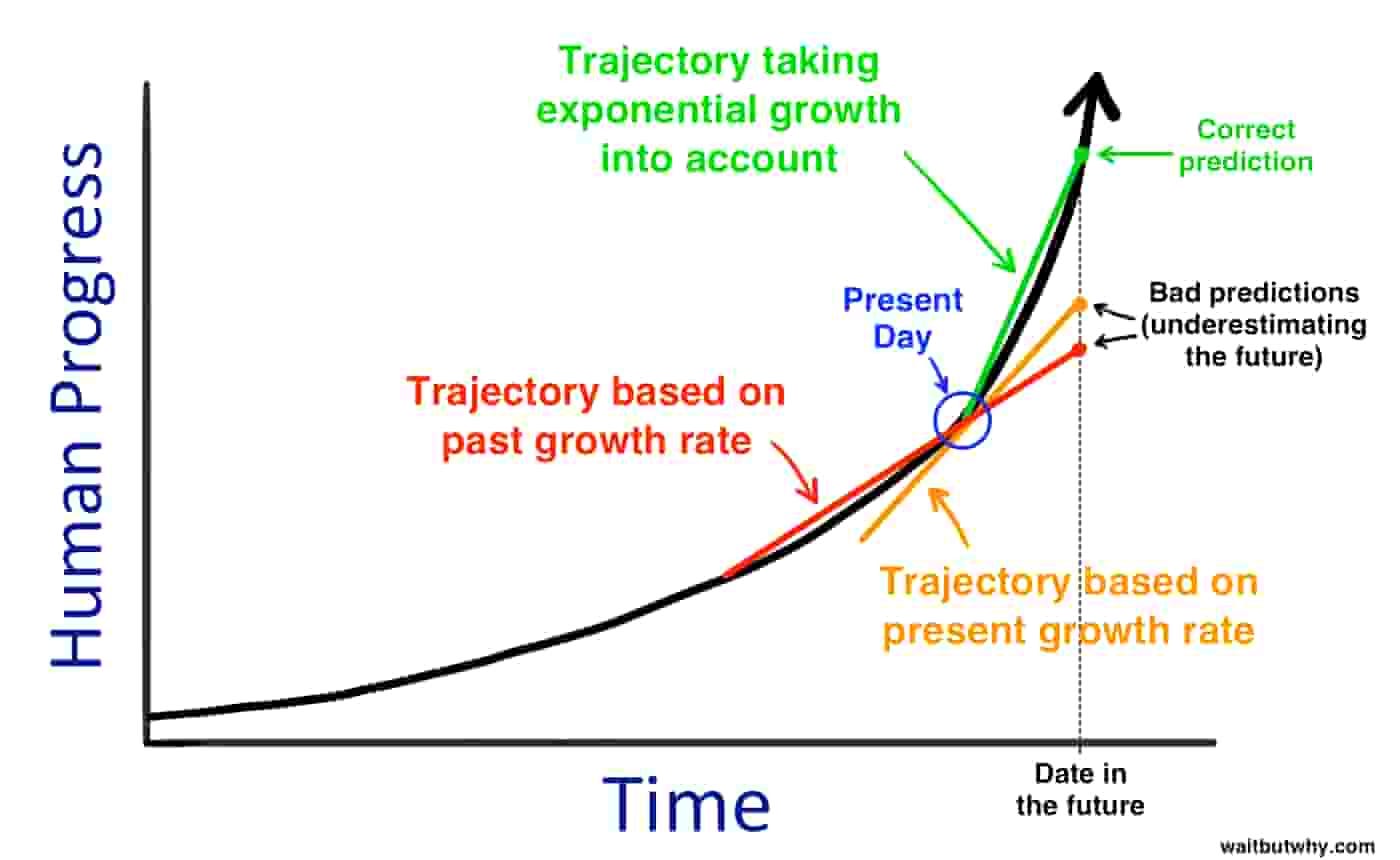
In his 1993 essay, mathematician and computer scientist Vernor Vinge popularized the term “singularity,” arguing that the emergence of superintelligent machines would unleash a runaway surge of technological progress far beyond human understanding. The singularity is characterized by several key features:
1. Exponential Growth of Technology
The singularity is predicated on the idea that technological advancements will occur at an exponential rate. As technology improves, it enables further advancements at an increasingly rapid pace. This feedback loop could lead to breakthroughs in various fields, including AI, biotechnology, nanotechnology, and more.
2. Emergence of Superintelligent AI
A central aspect of the singularity is the development of superintelligent AI—machines that possess intelligence far beyond that of the most gifted human minds. Such AI could potentially solve complex problems, innovate new technologies, and enhance human capabilities in ways we cannot currently imagine.
3. Unpredictability of Outcomes
Once the singularity is reached, the trajectory of technological development becomes unpredictable. The changes brought about by superintelligent AI could lead to profound shifts in society, economics, and even the nature of human existence itself.
Potential Benefits of the Technological Singularity
While the concept of the technological singularity raises many concerns, it also presents numerous potential benefits:
1. Solving Global Challenges
Superintelligent AI could provide solutions to some of humanity’s most pressing challenges, including climate change, disease eradication, poverty, and resource scarcity. With advanced problem-solving capabilities, AI could develop innovative strategies and technologies to address these issues more effectively than humans alone.
2. Enhanced Human Capabilities
The singularity could lead to the enhancement of human cognitive and physical abilities through technologies such as brain-computer interfaces, genetic engineering, and advanced prosthetics. This could result in improved quality of life, increased productivity, and extended lifespans.
3. Accelerated Scientific Discovery
The rapid advancement of technology could accelerate scientific research and discovery. Superintelligent AI could analyze vast amounts of data, identify patterns, and generate hypotheses at a pace far beyond human capabilities, leading to breakthroughs in various fields.
4. Economic Growth
The singularity could drive unprecedented economic growth by creating new industries, jobs, and opportunities. Automation and AI could enhance productivity, leading to increased efficiency and innovation across sectors.
Challenges and Risks of the Technological Singularity
Despite its potential benefits, the technological singularity also poses significant challenges and risks:
1. Ethical Considerations
The development of superintelligent AI raises ethical questions about control, accountability, and decision-making. Ensuring that AI systems align with human values and ethics is crucial to prevent unintended consequences.
2. Job Displacement
As automation and AI become more prevalent, there is a risk of widespread job displacement. Many traditional jobs may become obsolete, leading to economic inequality and social unrest if adequate measures are not taken to retrain and support affected workers.
3. Security Risks
Superintelligent AI could pose security risks if misused or weaponized. The potential for malicious use of advanced technologies raises concerns about cybersecurity, privacy, and the potential for AI-driven warfare.
4. Loss of Human Agency
As technology becomes increasingly autonomous, there is a risk that humans may lose control over critical decisions and systems. Ensuring that humans remain in control of AI and technology is essential to maintain agency and accountability.
Preparing for the Technological Singularity
To navigate the challenges and opportunities presented by the technological singularity, proactive measures must be taken:
1. Research and Development
Investing in research and development of safe and ethical AI technologies is crucial. Collaboration between governments, industry, and academia can help ensure that advancements align with human values and societal needs.
2. Education and Workforce Development
Preparing the workforce for the changes brought about by automation and AI is essential. Education systems should focus on developing skills that complement technology, such as critical thinking, creativity, and emotional intelligence.
3. Ethical Frameworks
Establishing ethical frameworks and guidelines for AI development and deployment can help mitigate risks and ensure that technology serves humanity’s best interests. Engaging diverse stakeholders in these discussions is vital.
4. Public Awareness and Engagement
Raising public awareness about the implications of the technological singularity can foster informed discussions and encourage societal engagement in shaping the future of BANDAR80 technology.
Conclusion
The technological singularity represents a transformative moment in human history, with the potential to reshape society in profound ways. While it offers exciting possibilities for solving global challenges and enhancing human capabilities, it also presents significant risks that must be carefully managed. By fostering responsible innovation, ethical considerations, and proactive planning, we can navigate the complexities of the singularity and harness its potential for the betterment of humanity. As we stand on the brink of unprecedented technological advancement, the choices we make today will determine the future we create for generations to come.