Massive Open Online Courses (MOOCs) have transformed the education landscape by offering free or low-cost courses to anyone with an internet connection. From Ivy League lectures to specialized skill-building programs, MOOCs break down traditional barriers—geography, cost, and scheduling—to make high-quality learning truly accessible for millions worldwide.
Democratizing Education at Unprecedented Scale
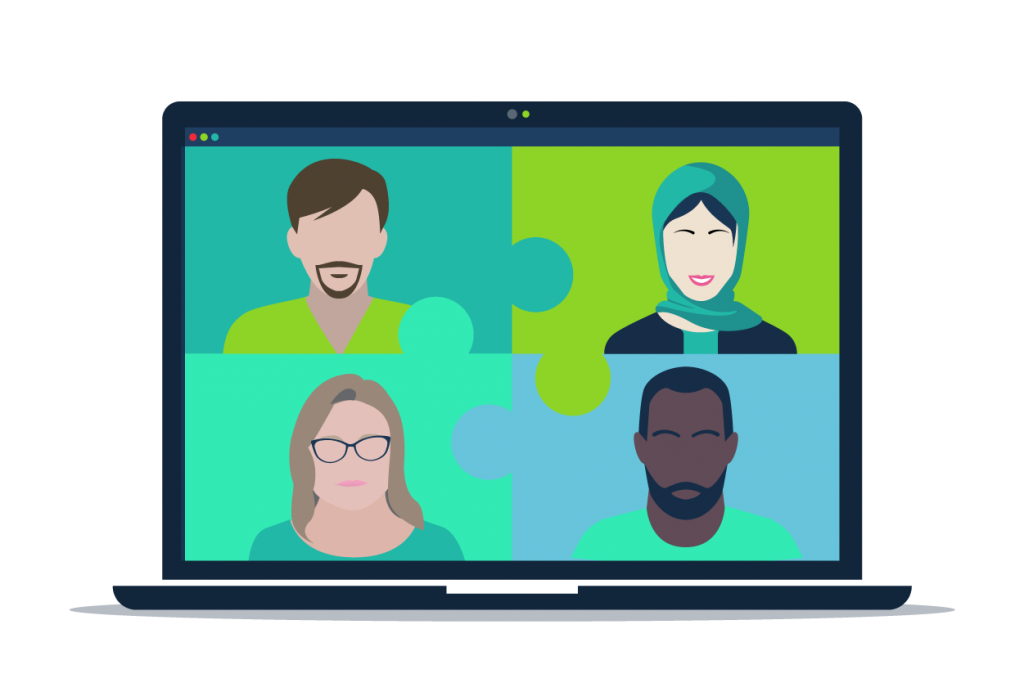
MOOCs scale learning to tens or even hundreds of thousands of learners simultaneously. Key characteristics include:
- Open enrollment with minimal prerequisites
- Self-paced study or flexible deadlines
- Video lectures, readings, and interactive quizzes
- Discussion forums and peer assessments
- Certificates or badges for completion
This model empowers lifelong learners, career-switchers, and professionals seeking to upskill without relocating or quitting their jobs.
Pillars of Effective MOOC Design
Creating an engaging, scalable MOOC hinges on thoughtful instructional design:
- Chunked Learning Modules
Bite-sized videos and readings keep learners focused, allowing them to absorb one concept before moving on.
- Active Practice and Feedback
Interactive quizzes, coding exercises, and peer-review assignments ensure learners apply new knowledge right away.
- Community and Collaboration
Discussion boards, study groups, and project work foster social learning and reduce isolation in massive cohorts.
- Visual Storytelling
Well-produced videos, animations, and real-world examples make complex topics vivid and memorable.
- Clear Roadmaps
Course schedules, learning objectives, and progress trackers help learners navigate a large content library with confidence.
Platforms Powering the MOOC Revolution
Several major platforms host a diverse catalog of MOOCs:
- Coursera: Partners with universities and companies, offers specializations and degree pathways.
- edX: Founded by MIT and Harvard, emphasizes open access and MicroBachelors/MicroMasters credentials.
- Udacity: Focuses on “nanodegree” programs aligned with industry needs in tech and data science.
- FutureLearn: UK-based platform with short courses, expert interviews, and social learning features.
Each platform differentiates itself through credential types, pricing tiers, and co-development with industry or academia.
Benefits for Learners and Institutions
MOOCs deliver value on multiple fronts:
- Learners gain access to world-class content at minimal cost.
- Employers find a scalable way to train employees on emerging skills.
- Universities reach global audiences, enhance reputation, and experiment with blended learning.
- Communities of practice emerge as diverse learners converge on shared interests.
By connecting learners across continents, MOOCs expand professional networks and open doors to collaboration.
Navigating Challenges and Maximizing Impact
Despite their promise, MOOCs face hurdles:
- Low completion rates in massive cohorts
- Varied learner motivation and self-discipline
- Recognition of MOOC certificates by employers and institutions
- Digital divide limiting access in regions with poor connectivity
To address these challenges, successful MOOCs incorporate:
- Guided mentorship or teaching-assistant support
- Gamified elements and milestone rewards
- Partnerships with organizations for credential recognition
- Offline content access and mobile-friendly design
The Future of MOOCs: Personalization and Credential Ecosystems
Next-generation MOOCs are poised to evolve through:
- AI-driven personalization that adapts content sequencing and difficulty to each learner
- Modular micro-credentials stackable into formal degrees or professional certifications
- Integration with corporate learning platforms and talent marketplaces
- Blended “flipped classroom” models where online MOOCs complement on-campus instruction
As Massive Open Online Courses continue to mature, they will play a central role in democratizing education, fostering continuous upskilling, and shaping a more inclusive knowledge economy—truly putting learning within reach of everyone, everywhere.