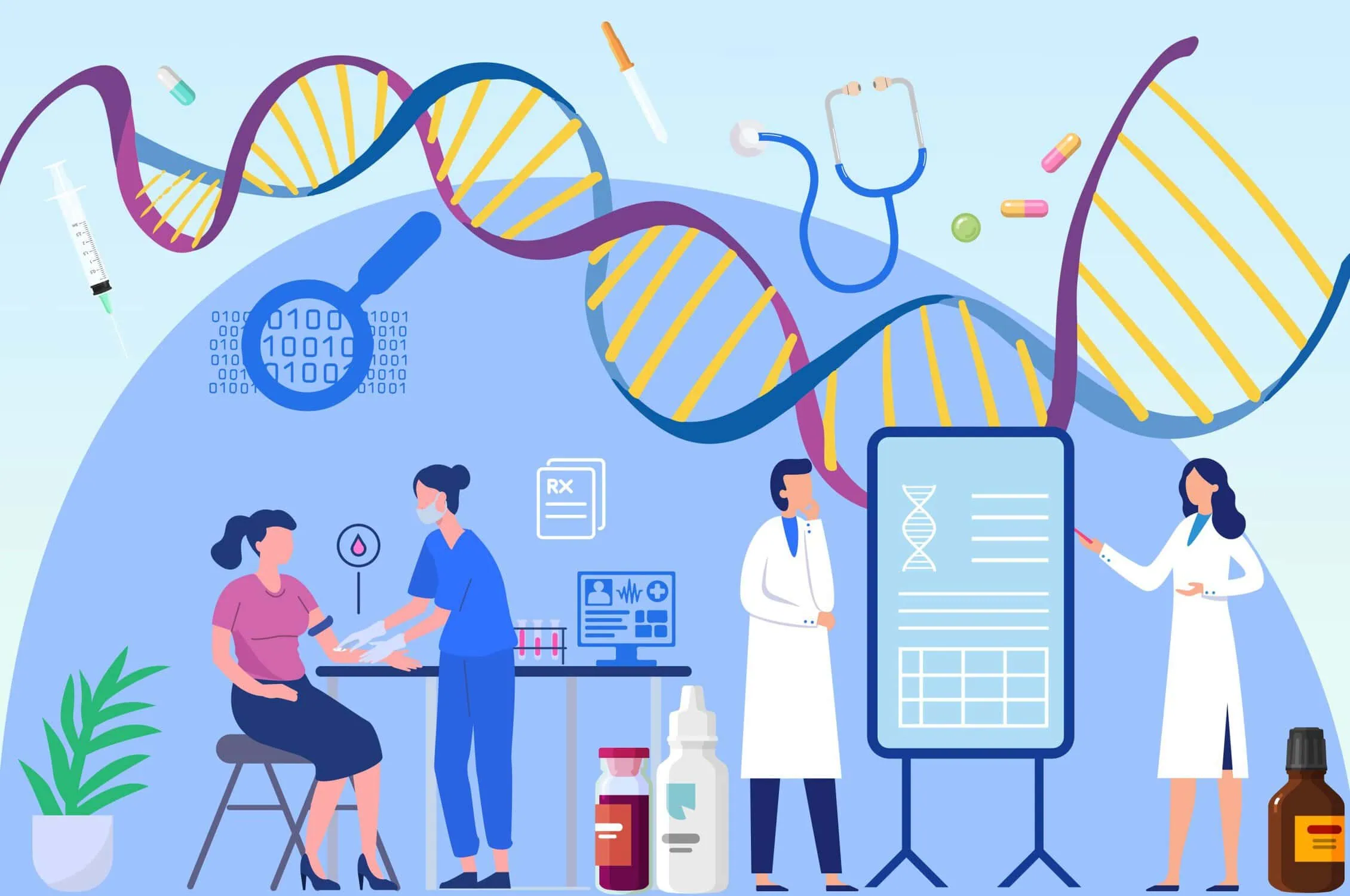
In recent years, the field of medicine has witnessed a transformative shift towards personalized medicine. This innovative approach tailors medical treatments to the individual characteristics of each patient, particularly their genetic makeup. By understanding the genetic factors that influence health and disease, healthcare providers can offer more effective, targeted therapies. In this article, I will share my honest take on personalized medicine, its benefits, challenges, and its potential to revolutionize healthcare.
What is Personalized Medicine?
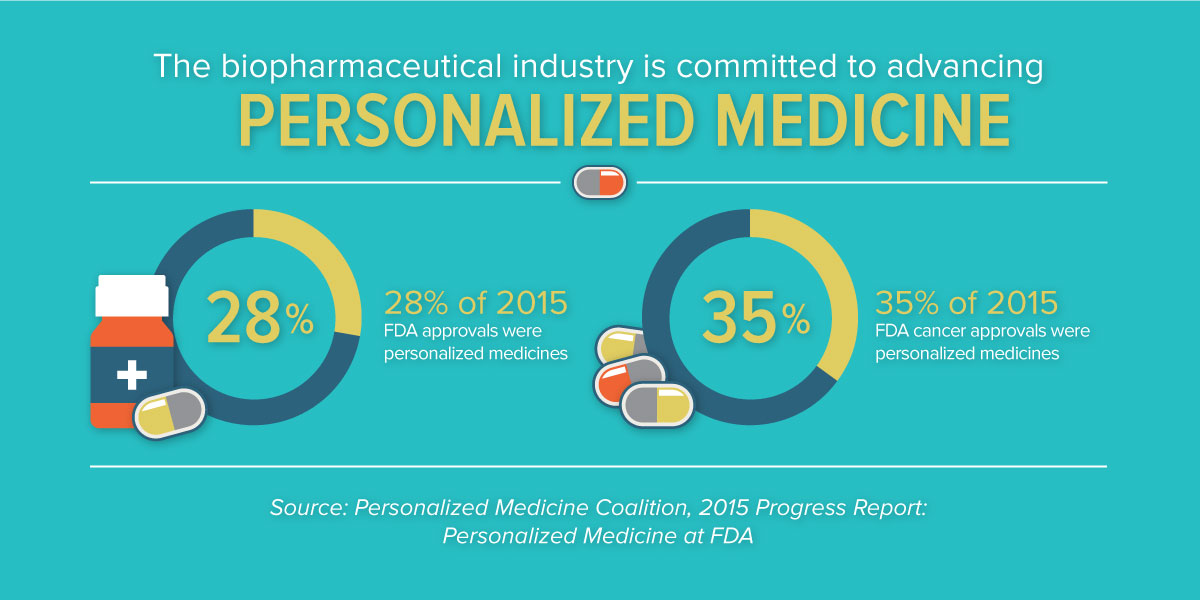
Personalized medicine, also known as precision medicine, refers to the customization of healthcare, with decisions and treatments tailored to the individual patient. This approach takes into account genetic, environmental, and lifestyle factors that can influence a person’s response to treatment. The goal is to move away from the “one-size-fits-all” model of medicine and provide more effective, individualized care.
Key Components of Personalized Medicine
- Genetic Testing: Genetic tests analyze an individual’s DNA to identify variations that may affect health and treatment responses. This information can guide treatment decisions and predict outcomes.
- Biomarkers: Biomarkers are biological indicators that can help identify specific diseases or conditions. They play a crucial role in diagnosing diseases, monitoring treatment efficacy, and predicting patient responses.
- Data Integration: Personalized medicine relies on integrating genetic information with clinical data, lifestyle factors, and environmental influences to create a comprehensive picture of a patient’s health.
Benefits of Personalized Medicine
1. Improved Treatment Efficacy
One of the most significant advantages of personalized medicine is its potential to improve treatment efficacy. By tailoring therapies to an individual’s genetic profile, healthcare providers can select treatments that are more likely to be effective, reducing the trial-and-error approach often associated with traditional medicine.
2. Reduced Adverse Reactions
Personalized medicine can help identify patients who may be at risk for adverse reactions to certain medications. By understanding genetic variations that affect drug metabolism, healthcare providers can prescribe safer, more effective alternatives, minimizing the risk of harmful side effects.
3. Enhanced Preventive Care
With insights gained from genetic testing, personalized medicine can facilitate proactive health management. Individuals at higher risk for certain diseases can receive targeted screening and preventive measures, potentially catching diseases earlier and improving outcomes.
4. Cost-Effectiveness
While the initial costs of genetic testing and personalized therapies may be higher, the long-term savings can be substantial. By reducing the number of ineffective treatments and hospitalizations due to adverse reactions, personalized medicine can lead to more efficient healthcare spending.
Challenges of Personalized Medicine
Despite its promise, personalized medicine faces several challenges that need to be addressed:
1. Access and Equity
Access to genetic testing and personalized treatments can be limited, particularly in underserved populations. Ensuring equitable access to these advancements is crucial for maximizing their benefits across diverse demographics.
2. Data Privacy and Security
The collection and analysis of genetic data raise significant concerns about privacy and security. Safeguarding sensitive information is essential to maintain patient trust and comply with regulations.
3. Interpretation of Genetic Data
Interpreting genetic data can be complex. Not all genetic variations have clear implications for health, and the clinical significance of certain mutations may still be unknown. Healthcare providers must be equipped with the knowledge and tools to interpret these results accurately.
4. Ethical Considerations
Personalized medicine raises ethical questions regarding genetic discrimination, informed consent, and the potential for genetic modification. Society must navigate these issues carefully to ensure responsible use of genetic information.
My Honest Take
As I reflect on the evolution of personalized medicine, I am optimistic about its potential to transform healthcare. The ability to tailor treatments based on individual genetics represents a significant leap forward in our understanding of health and disease. This approach not only enhances treatment efficacy but also empowers patients to take an active role in their healthcare journey.
However, it is essential to address the challenges that accompany this advancement. Ensuring equitable access, protecting patient privacy, and navigating ethical concerns are critical steps in realizing the full potential of personalized medicine.
Moreover, as we move forward, education and awareness will play a vital role in integrating personalized medicine into everyday practice. Healthcare providers must be trained to interpret genetic data and communicate its implications effectively to patients.
In conclusion, personalized medicine holds great promise for improving health outcomes and revolutionizing the way we approach treatment. By embracing this innovative approach and addressing its challenges, we can pave the way for a healthier future, where medical care is truly tailored to the individual.