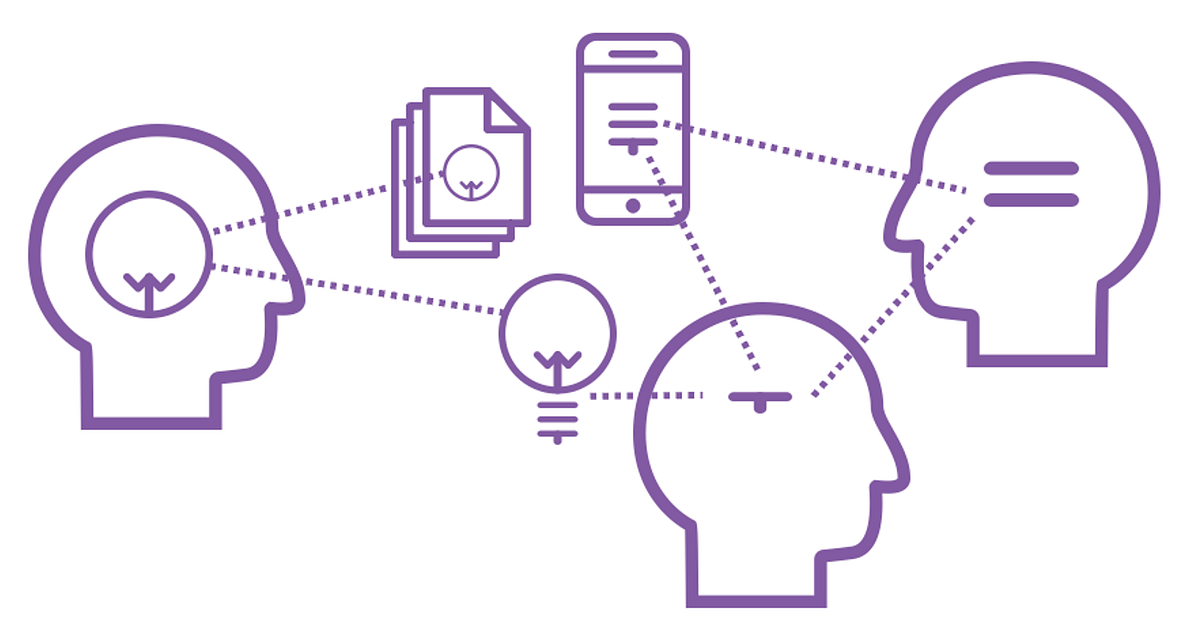
Distributed cognition is a fascinating concept that explores how cognitive processes are shared across individuals, tools, and environments. In today’s technology-driven world, this idea has taken on new dimensions, as advancements in artificial intelligence, collaborative platforms, and networked systems allow for smarter and more efficient problem-solving. This article will delve into the principles of distributed cognition, its applications in recent technology, and how these shared cognitive processes are reshaping our interactions and decision-making.
Understanding Distributed Cognition

Distributed cognition refers to the idea that cognitive processes are not solely contained within an individual’s mind but are distributed across people, tools, and contexts. This perspective emphasizes that cognition is a collective process, shaped by the interactions between individuals and their environment. Key components of distributed cognition include:
- Shared Knowledge: Information and expertise are shared among individuals, enabling collaborative problem-solving and decision-making.
- External Representations: Tools and technologies, such as diagrams, software, and other artifacts, serve as extensions of our cognitive abilities, helping to organize and manipulate information.
- Social Interactions: Communication and collaboration among individuals play a crucial role in shaping collective understanding and cognitive processes.
Applications of Distributed Cognition in Recent Technology
The principles of distributed cognition are increasingly evident in various technological advancements, enhancing our ability to work together and solve complex problems. Here are some notable applications:
1. Collaborative Work Platforms
Tools like Slack, Microsoft Teams, and Asana facilitate distributed cognition by enabling teams to communicate, share information, and collaborate on projects in real-time. These platforms allow members to contribute their expertise, track progress, and organize tasks collectively, leading to more effective teamwork and decision-making.
2. Artificial Intelligence and Machine Learning
AI systems are designed to learn from vast amounts of data and provide insights that enhance human decision-making. By integrating AI into workflows, organizations can leverage distributed cognition, as humans and machines work together to analyze information, identify patterns, and generate solutions. For example, AI algorithms can assist in diagnosing medical conditions by analyzing patient data alongside human expertise, leading to more accurate and timely diagnoses.
3. Social Media and Crowdsourcing
Social media platforms and crowdsourcing initiatives exemplify distributed cognition by pooling knowledge and perspectives from diverse individuals. Platforms like Wikipedia rely on contributions from users worldwide to create a comprehensive repository of information. This collective intelligence enables the aggregation of insights and fosters a deeper understanding of complex topics.
4. Virtual and Augmented Reality
VR and AR technologies create immersive environments that facilitate shared experiences and collaborative learning. For instance, in educational settings, students can engage in virtual simulations that allow them to explore concepts together, enhancing their understanding through interactive experiences. These technologies harness distributed cognition by enabling participants to learn from one another in real-time.
How Technology Gets Smarter Together
The synergy between human intelligence and technological advancements exemplifies how distributed cognition leads to smarter systems. Here are some ways this collaboration enhances cognitive processes:
- Enhanced Problem-Solving: By combining human creativity and intuition with machine learning capabilities, teams can tackle complex problems more effectively. The iterative feedback loop between humans and machines allows for continuous improvement and refinement of solutions.
- Increased Efficiency: Distributed cognition streamlines workflows by automating repetitive tasks and providing insights that inform decision-making. This efficiency allows individuals to focus on higher-order thinking and creative tasks, leading to improved productivity.
- Diverse Perspectives: Collaborative technologies enable individuals from different backgrounds and expertise to contribute their insights. This diversity fosters innovation and creativity, as varied perspectives can lead to novel solutions and approaches.
- Adaptive Learning: Systems that incorporate distributed cognition can adapt and evolve based on user interactions and feedback. This adaptability enhances the learning experience and ensures that technologies remain relevant and effective.
Challenges and Considerations
While the concept of distributed cognition offers numerous benefits, it also presents challenges that need to be addressed:
- Information Overload: The abundance of shared information can lead to cognitive overload, making it difficult for individuals to process and prioritize relevant data. Effective filtering and organization of information are essential.
- Trust and Reliability: Relying on collective intelligence requires trust in the accuracy and reliability of shared information. Ensuring the credibility of sources and fostering a culture of accountability is crucial.
- Technology Dependency: Over-reliance on technology can diminish individual cognitive skills and critical thinking abilities. Balancing technology use with independent thinking is important for maintaining cognitive health.
Conclusion
In conclusion, distributed cognition represents a paradigm shift in understanding how we think, learn, and collaborate in an increasingly interconnected world. By recognizing that cognitive processes are shared across individuals and technologies, we can harness the power of collective intelligence to solve complex problems and drive innovation.
Recent advancements in collaborative platforms, AI, social media, and immersive technologies illustrate the potential of distributed cognition in enhancing our cognitive capabilities. As we continue to explore and integrate these technologies into our daily lives, it is essential to remain mindful of the challenges they present and to foster environments that promote effective collaboration and learning.
Embracing distributed cognition not only empowers us to work smarter together but also paves the way for a future where technology and human intelligence coexist harmoniously, driving progress and enhancing our collective understanding of the world.