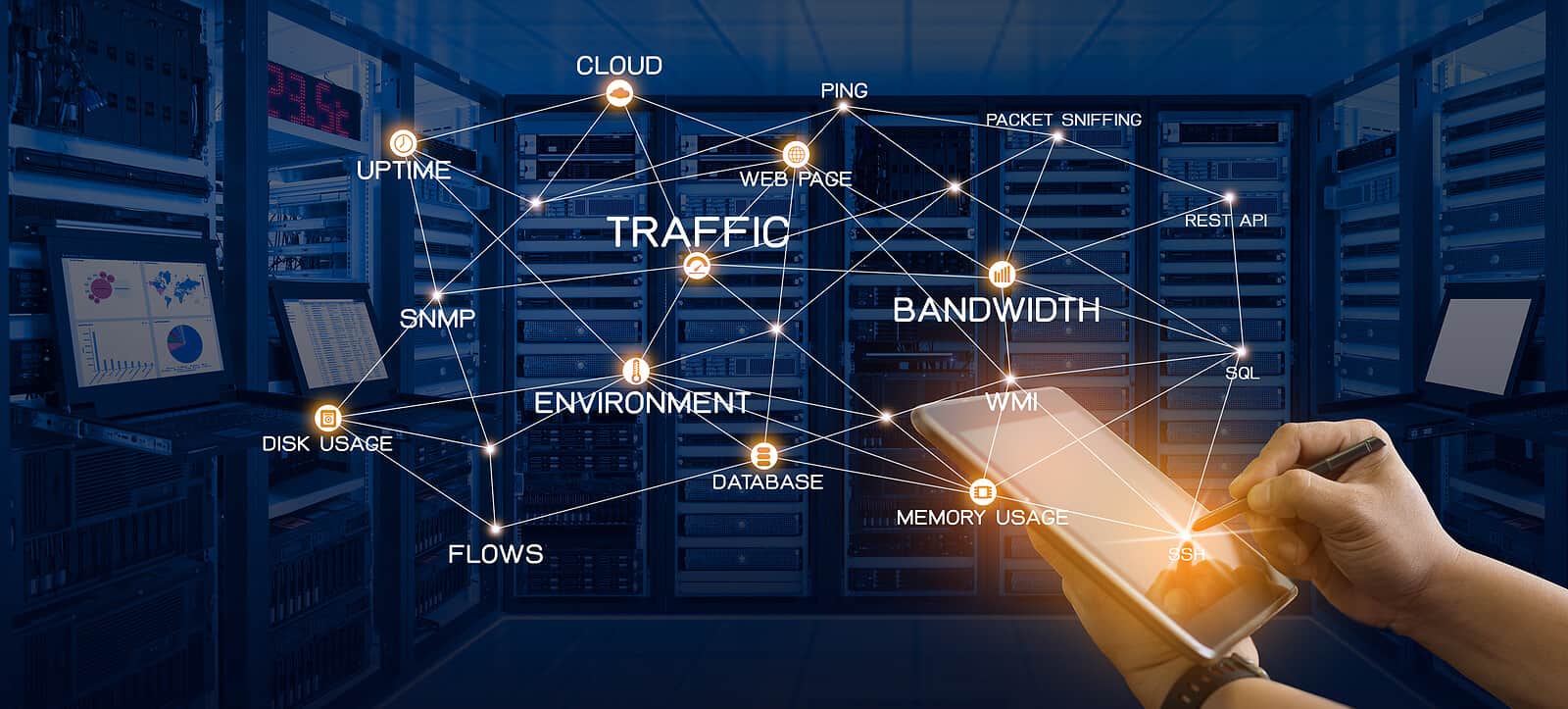
The Importance of Network Monitoring

1. Performance Optimization
Network monitoring helps organizations identify performance bottlenecks, such as slow response times or high latency, allowing for timely interventions to optimize network performance. By continuously tracking bandwidth usage and application performance, IT teams can make informed decisions to enhance user experience.
2. Proactive Issue Detection
Real-time monitoring enables the early detection of network issues before they escalate into significant problems. By identifying anomalies, such as unusual traffic patterns or device failures, organizations can take corrective actions promptly, minimizing downtime and service disruptions.
3. Enhanced Security
Network monitoring plays a vital role in security by detecting potential threats and vulnerabilities. Continuous surveillance of network traffic helps identify unauthorized access attempts, malware infections, and other security incidents, allowing for quick remediation.
4. Compliance and Reporting
Many industries are subject to regulatory requirements that necessitate the tracking and reporting of network activities. Effective monitoring provides the necessary data to ensure compliance with regulations such as GDPR, HIPAA, and PCI-DSS.
Tools for Network Monitoring
1. Network Performance Monitoring Tools
These tools focus on measuring and analyzing network performance metrics, such as bandwidth usage, latency, and packet loss. Popular options include:
- SolarWinds Network Performance Monitor: A comprehensive tool that provides real-time performance monitoring, fault detection, and reporting capabilities.
- Paessler PRTG Network Monitor: Offers a wide range of sensors to monitor various network components, including servers, routers, and applications.
2. Network Traffic Analysis Tools
These tools analyze network traffic to identify patterns, bandwidth usage, and potential security threats. Notable tools include:
- Wireshark: A widely used open-source packet analyzer that captures and inspects network packets in real time, helping to diagnose network issues.
- NetFlow Analyzer: Monitors and analyzes network traffic patterns using NetFlow data, providing insights into bandwidth usage and application performance.
3. Security Information and Event Management (SIEM) Tools
SIEM tools aggregate and analyze security data from various sources, providing real-time visibility into security events. Examples include:
- Splunk: A powerful SIEM platform that collects and analyzes machine data from across the network, enabling threat detection and incident response.
- IBM QRadar: Offers real-time security monitoring and analytics to help organizations detect and respond to security threats.
4. Network Configuration Management Tools
These tools help manage and monitor network device configurations, ensuring compliance and reducing the risk of misconfigurations. Examples include:
- Cisco Prime Infrastructure: Provides comprehensive management for Cisco networks, including monitoring, configuration, and troubleshooting capabilities.
- ManageEngine Network Configuration Manager: Automates network device configuration management and compliance auditing.
Techniques for Effective Network Monitoring
1. Real-Time Monitoring
Implementing real-time monitoring techniques allows organizations to track network performance and security continuously. This involves using tools that provide live dashboards, alerts, and notifications for immediate visibility into network status.
2. Traffic Analysis and Baseline Monitoring
Establishing a baseline of normal network behavior is crucial for identifying anomalies. By analyzing historical data, organizations can understand typical traffic patterns, making it easier to spot unusual activity that may indicate a problem or security threat.
3. Alerting and Notification Systems
Setting up alerting systems ensures that IT teams are promptly notified of any critical issues. Alerts can be configured based on specific thresholds, such as high CPU usage or unusual traffic spikes, allowing for quick response times.
4. Integration with Other IT Management Tools
Integrating network monitoring tools with other IT management solutions, such as help desk systems and configuration management tools, enhances overall visibility and facilitates coordinated responses to network issues.
5. Regular Audits and Reviews
Conducting regular audits of network monitoring practices helps identify gaps in visibility and areas for improvement. This includes reviewing monitoring configurations, alert thresholds, and response procedures to ensure they remain effective.
Conclusion
Network monitoring is essential for maintaining the health, performance, and security of modern network environments. By leveraging the right tools and techniques, organizations can achieve real-time visibility into their networks, enabling proactive issue detection, performance optimization, and enhanced security. As networks continue to evolve and grow in complexity, investing in effective network monitoring strategies will be crucial for ensuring operational efficiency and safeguarding sensitive data.
Explore our “Technology” category for more insightful content!
Don't forget to check out our previous article: Disaster Recovery: Planning for Technological Outages