


Jakarta, odishanewsinsight.com – Database Design is a foundational part of software engineering because the quality of a database structure directly affects application reliability, scalability, maintainability, and performance. Before data can be queried efficiently or protected consistently, it must be organized in a way that reflects real business needs while supporting technical requirements. A well-designed database helps systems remain stable and understandable as they grow, while a poor design can create long term problems that no amount of heroic querying can fully rescue.
What makes Database Design especially important is that it sits at the intersection of logic, architecture, and operations. It is not just about defining tables. It is about building a schema strategy, applying normalization wisely, and planning for performance from the beginning. When done well, database design reduces redundancy, preserves data integrity, and makes future changes far less painful.
Understanding Database Design
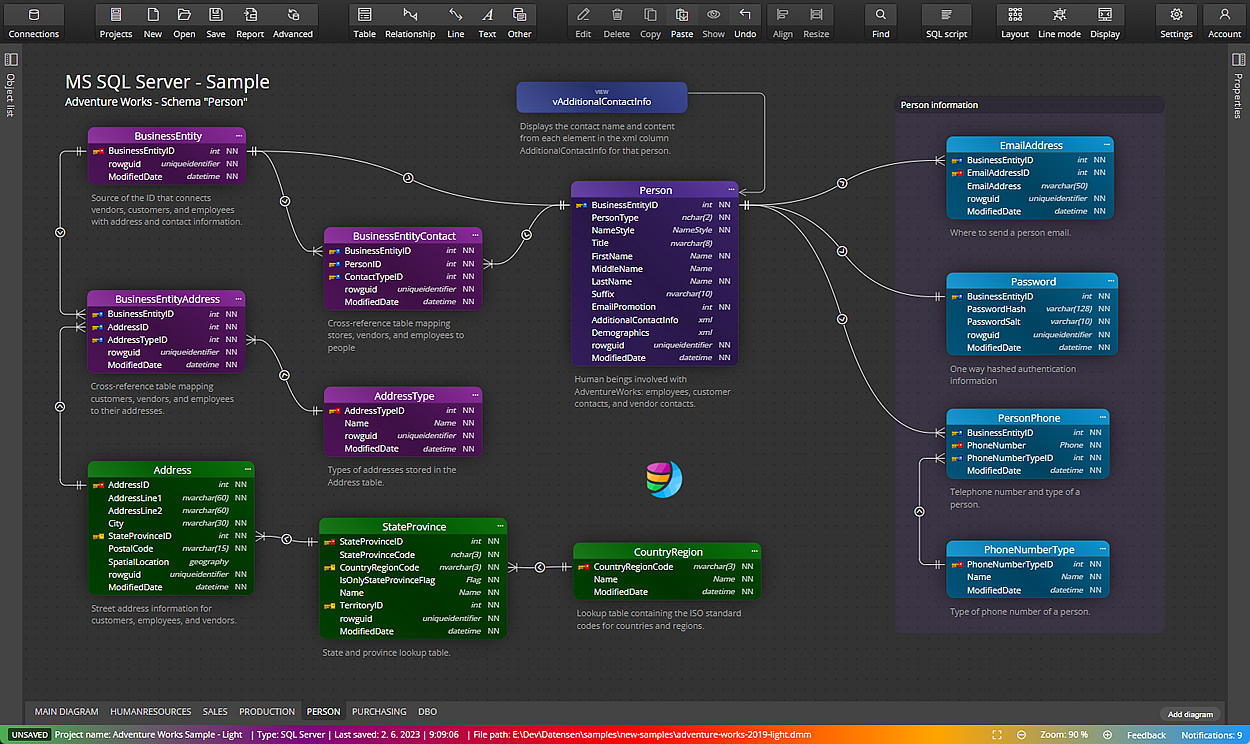
To understand its significance, it helps to define what Database Design includes and why it remains central to successful software systems.
Core meaning
Database Design commonly refers to:
- Structuring data into tables, fields, and relationships
- Creating schemas that reflect business logic and application needs
- Defining keys, constraints, and integrity rules
- Applying normalization principles to reduce redundancy
- Planning indexes and access patterns for performance
These elements make database design a critical part of application architecture.
Why it matters
Its importance comes from the way it helps teams:
- Store data in a logical and maintainable structure
- Prevent inconsistency and duplication
- Support efficient querying and reporting
- Improve scalability as data volume grows
- Reduce costly redesign later in development
This gives Database Design both technical and strategic importance.
Schema Strategy and Structural Planning
One of the first responsibilities in Database Design is creating a schema strategy that fits the system’s purpose and expected usage.
What schema strategy involves
A strong schema strategy usually includes:
- Identifying core entities and relationships
- Defining table structure and naming conventions
- Choosing appropriate primary and foreign keys
- Planning for optional and required data fields
- Considering future growth and integration needs
These decisions shape how easily the database can support current and future requirements.
Why schema planning matters
Careful schema planning helps teams:
- Align data structures with business rules
- Avoid confusing or inconsistent table organization
- Improve communication between developers and analysts
- Create a stronger foundation for application logic
- Support maintainability over time
This is often where long term database quality is either established or cheerfully compromised.
Normalization and Data Integrity
Normalization is one of the most important concepts in Database Design because it helps reduce redundancy and improve consistency.
What normalization does
Normalization helps by:
- Separating data into logical tables
- Reducing repeated information
- Improving update consistency
- Supporting clearer relationships between entities
- Preventing insertion, update, and deletion anomalies
These effects improve the overall integrity of the database.
Practical use of normalization
In practice, teams often apply normalization to:
- Ensure each table has a focused purpose
- Store reusable reference data separately
- Maintain cleaner foreign key relationships
- Simplify validation and consistency rules
At the same time, normalization should be applied with practical judgment. Over-normalization can sometimes make queries more complex and reduce performance in heavily read systems.
Performance Best Practices in Database Design
Performance should be considered early in the design process rather than treated as a late stage emergency.
Key performance considerations
Performance focused database design often includes:
- Creating useful indexes for common queries
- Choosing appropriate data types
- Designing efficient relationships and joins
- Avoiding unnecessary table or column duplication
- Considering read and write patterns during schema planning
These decisions can significantly influence query speed and system efficiency.
Balancing integrity and speed
Strong Database Design requires balancing:
- Normalization and query simplicity
- Data integrity and operational efficiency
- Flexibility and structural discipline
- Current requirements and future scalability
A good design avoids both extremes: a schema so rigid it becomes difficult to use, and one so loose it becomes a performance puzzle with trust issues.
Database Design Benefits Overview
Below is a concise overview of the major strengths associated with Database Design.
| Area | Main Benefit | Why It Matters |
|---|---|---|
| Schema Strategy | Creates a logical data foundation | Supports maintainability |
| Normalization | Reduces redundancy and inconsistency | Improves integrity |
| Performance Planning | Supports efficient queries and operations | Enhances scalability |
| Relationship Design | Connects data accurately | Reflects business logic |
| Long Term Maintenance | Makes future changes easier | Lowers technical debt |
Together, these benefits explain why Database Design remains essential to successful and scalable software systems.
Why Database Design Continues to Matter
Database Design continues to matter because data remains at the heart of nearly every digital system, and the way it is structured has long term consequences for everything built on top of it. Applications can evolve, interfaces can change, and infrastructure can scale, but weak data design tends to leave a very durable trail of problems.
Lasting significance
It remains important because it:
- Supports stable and reliable application behavior
- Preserves data quality and consistency
- Improves performance and scalability planning
- Helps teams adapt systems over time
- Reduces costly architectural rework
Broader perspective
Database Design shows that strong systems begin with strong structure. By combining schema strategy, normalization, and performance best practices, teams can create databases that are easier to manage, faster to query, and better aligned with real application needs.
Key Takeaways
Database Design supports reliable software systems by combining schema strategy, normalization, and performance best practices to create structured, efficient, and maintainable data architectures.
Main lessons
- Database Design is essential for data integrity, scalability, and maintainability
- Schema strategy shapes the long term quality of a system’s data foundation
- Normalization reduces redundancy and supports consistency
- Performance planning should be part of design from the start
- Strong design balances structure, usability, and efficiency
Final perspective
The key takeaway is that Database Design is not only a technical task but a strategic architectural discipline. When handled carefully, it creates the stable foundation that applications need to perform well and evolve with confidence.
Explore our “”Technology“” category for more insightful content!
Don't forget to check out our previous article: Application Security: Embedding Security Across the Software Lifecycle and Runtime
