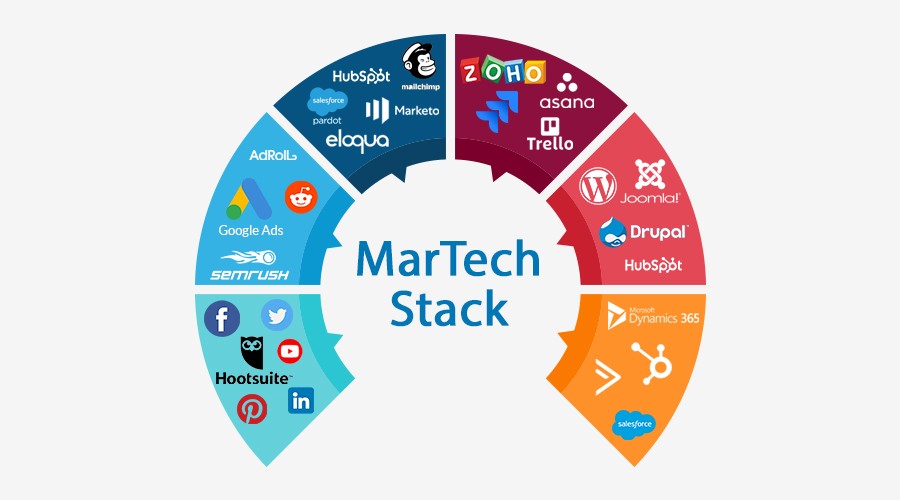
In the rapidly evolving world of marketing, MarTech stacks have become essential for businesses looking to streamline their marketing efforts and maximize return on investment (ROI). A well-structured MarTech stack integrates various marketing technologies to create a cohesive ecosystem that enhances efficiency, improves data analysis, and fosters better customer engagement. In this article, we’ll explore what MarTech stacks are, their benefits, and practical tips for building an effective stack that works for your organization.
Understanding MarTech Stacks

MarTech, short for marketing technology, refers to the suite of tools and platforms that marketers use to plan, execute, and analyze their marketing campaigns. A MarTech stack is essentially a collection of these tools that work together to support various marketing functions, including:
- Customer Relationship Management (CRM): Systems that manage interactions with current and potential customers.
- Email Marketing Platforms: Tools that facilitate email campaigns, automation, and analytics.
- Social Media Management Tools: Platforms that help manage social media accounts, schedule posts, and analyze engagement.
- Analytics and Reporting Tools: Solutions that track and measure the performance of marketing activities.
- Content Management Systems (CMS): Platforms that enable the creation, management, and optimization of digital content.
Benefits of a Well-Structured MarTech Stack
1. Improved Efficiency
Integrating various marketing tools into a cohesive stack allows for streamlined processes and reduced manual work. This efficiency enables marketing teams to focus on strategy and creativity rather than administrative tasks.
2. Enhanced Data Insights
A well-designed MarTech stack provides comprehensive data collection and analysis capabilities. By integrating analytics tools with CRM and marketing automation platforms, marketers can gain valuable insights into customer behavior, campaign performance, and overall ROI.
3. Better Customer Experience
With a unified MarTech stack, businesses can deliver personalized and consistent customer experiences across all touchpoints. By leveraging data from various sources, marketers can tailor their messaging and offers to meet the specific needs of their audience.
4. Increased Collaboration
An integrated MarTech stack fosters collaboration among different teams, such as marketing, sales, and customer service. By sharing data and insights, these teams can work together more effectively to achieve common goals.
5. Scalability
As businesses grow, their marketing needs evolve. A flexible MarTech stack can easily scale to accommodate new tools and technologies, ensuring that organizations can adapt to changing market conditions and customer expectations.
Building an Effective MarTech Stack
1. Assess Your Needs
Before selecting tools for your MarTech stack, assess your organization’s specific marketing needs and objectives. Consider factors such as your target audience, marketing channels, and existing tools. This assessment will help you identify gaps and opportunities for improvement.
2. Choose the Right Tools
Research and evaluate different marketing technologies based on your needs. Look for tools that integrate well with each other and offer user-friendly interfaces. Some popular categories to consider include:
- CRM: Salesforce, HubSpot, or Zoho CRM
- Email Marketing: Mailchimp, Constant Contact, or Sendinblue
- Social Media Management: Hootsuite, Buffer, or Sprout Social
- Analytics: Google Analytics, Adobe Analytics, or Mixpanel
- CMS: WordPress, Wix, or Squarespace
3. Focus on Integration
Integration is key to a successful MarTech stack. Ensure that the tools you choose can easily connect with each other, allowing for seamless data transfer and communication. Many platforms offer APIs or built-in integrations to facilitate this process.
4. Prioritize User Training
Once you’ve implemented your MarTech stack, invest in training for your team. Ensuring that everyone understands how to use the tools effectively will maximize their potential and improve overall marketing performance.
5. Monitor and Optimize
Regularly monitor the performance of your MarTech stack to identify areas for improvement. Analyze data and gather feedback from your team to make informed decisions about optimizing your tools and processes. This ongoing evaluation will help you adapt to changing market conditions and customer needs.
6. Stay Updated on Trends
The MarTech landscape is constantly evolving, with new tools and technologies emerging regularly. Stay informed about the latest trends and innovations in marketing technology to ensure your stack remains competitive and effective.
Conclusion
MarTech stacks are essential for modern marketing organizations looking to maximize ROI and enhance customer experiences. By integrating various marketing tools into a cohesive ecosystem, businesses can streamline their operations, gain valuable insights, and deliver personalized messaging to their audience.
Building an effective MarTech stack requires careful assessment, strategic tool selection, and ongoing optimization. By following the practical tips outlined in this article, you can create a MarTech stack that works for your organization and drives meaningful results. Embrace the power of technology in marketing and position your business for success in today’s competitive landscape!