


In the world of haute cuisine, few dishes have achieved the iconic status and reverence that Oysters and Pearls commands. This luxurious dish is a culinary masterpiece that combines simplicity with sophistication, creating a sensory experience that delights the palate and elevates dining to an art form. Revered by food critics, chefs, and gourmands alike, Oysters and Pearls is a dish that symbolizes the pinnacle of fine dining and Michelin-star excellence.
This expanded article delves deeply into the origins, ingredients, preparation techniques, cultural significance, and where you can experience this legendary dish. Whether you are a seasoned foodie or a curious diner, this guide will help you understand why Oysters and Pearls is a must-try culinary treasure.
The Origins of Oysters and Pearls
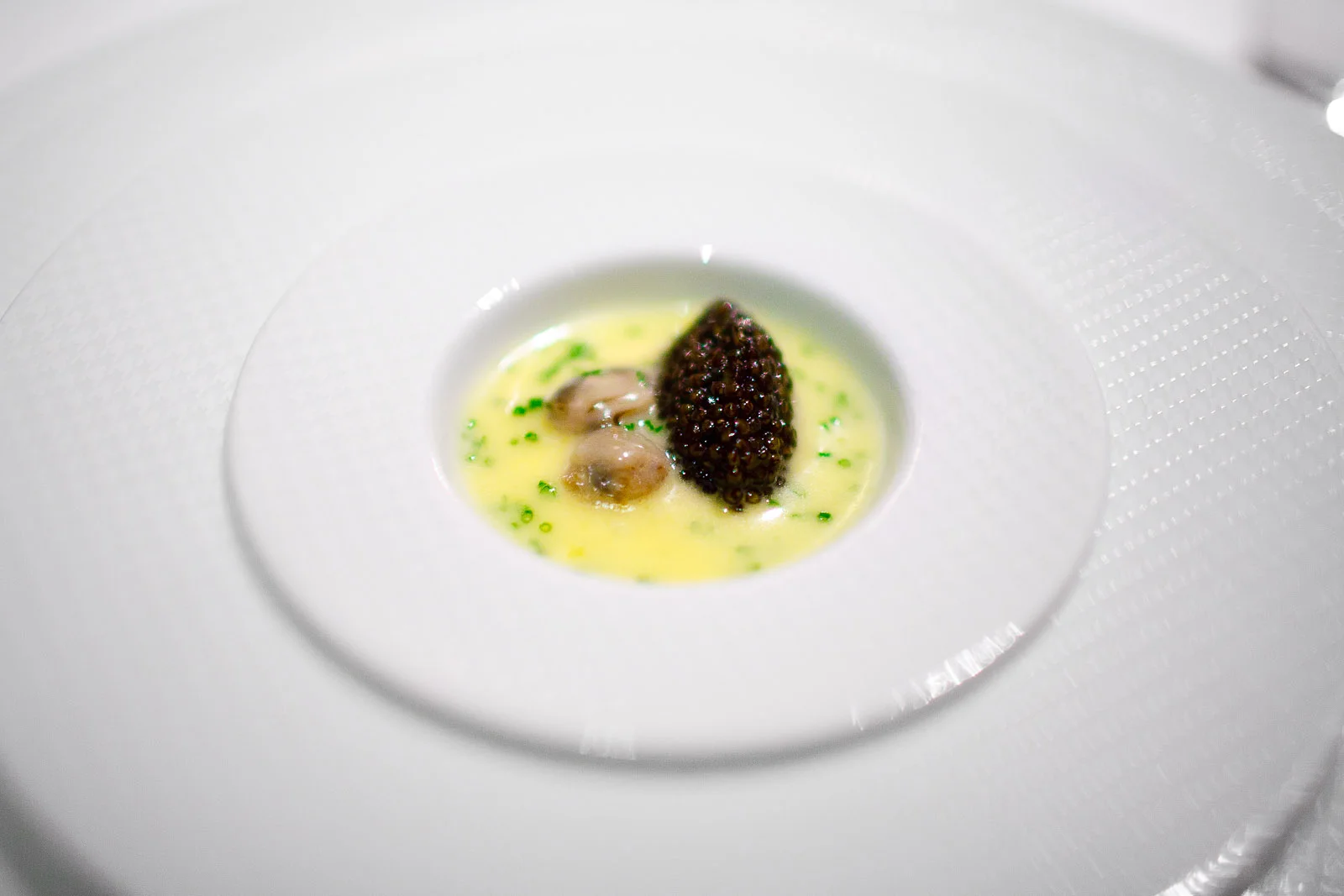
Oysters and Pearls was popularized by Chef Thomas Keller, one of America’s most celebrated chefs and restaurateurs. Keller’s flagship restaurant, The French Laundry in Yountville, California, is renowned for its meticulous attention to detail, innovative techniques, and commitment to seasonal, high-quality ingredients. It was here that Oysters and Pearls became a signature dish, helping the restaurant earn multiple Michelin stars and worldwide acclaim.
The dish’s name is a poetic nod to its two main components: oysters, representing the “oysters,” and tapioca pearls, symbolizing the “pearls.” This pairing is not just about aesthetics; it embodies a harmony of textures and flavors that create a unique dining experience. Keller’s vision was to take humble ingredients and elevate them through technique and presentation, making Oysters and Pearls a culinary metaphor for luxury and refinement.
Ingredients: The Heart of the Dish
Fresh Oysters
The quality of oysters is paramount. Freshness is critical, as oysters are prized for their briny, oceanic flavor and delicate texture. Typically, chefs select varieties known for their clean, sweet taste and plump flesh. Oysters can be served raw, gently poached, or lightly steamed to maintain their tender juiciness.
Tapioca Pearls
Tapioca pearls are small, translucent spheres made from cassava starch. When cooked, they develop a chewy texture reminiscent of caviar, which is why they are often referred to as the “pearls” in this dish. The pearls absorb the flavors of the sauce, adding a delightful contrast to the soft oysters.
Sabayon Sauce
The sabayon is the luxurious binding element of Oysters and Pearls. Made from egg yolks, butter, cream, and often a splash of champagne or white wine, this sauce is whipped to a light, airy texture. It envelops the oysters and pearls in a rich, velvety coating that enhances their natural flavors without overpowering them.
Garnishes and Accents
To finish the dish, chefs may add garnishes such as finely chopped chives, microgreens, or a dollop of high-quality caviar for an extra touch of opulence. These accents provide color, flavor complexity, and visual appeal.
The Art and Technique of Preparation
Creating Oysters and Pearls requires precision and skill. The balance of flavors and textures is delicate, and each component must be prepared to perfection.
- Preparing the Oysters: The oysters are carefully shucked, ensuring no shell fragments remain. Depending on the recipe, they might be lightly cooked to bring out sweetness while retaining their tender texture.
- Cooking the Tapioca Pearls: Tapioca pearls are simmered until translucent and tender, then drained and sometimes infused with a subtle broth or seasoning to complement the dish.
- Making the Sabayon: The sabayon is prepared by whisking egg yolks over gentle heat with butter and cream, slowly incorporating air to achieve a light, creamy texture. The addition of champagne or white wine adds acidity and depth.
- Assembly: The pearls are placed at the base of a warm bowl or plate, topped with the oysters, and then generously coated with the sabayon. Garnishes are added last to complete the presentation.
This careful layering ensures that each bite delivers a harmonious blend of creamy, briny, and chewy sensations.
The Sensory Experience: Flavor, Texture, and Presentation
Oysters and Pearls is celebrated not only for its taste but also for its multisensory appeal.
- Flavor: The briny freshness of the oysters contrasts beautifully with the rich, buttery sabayon. The subtle sweetness of the tapioca pearls complements both, creating a balanced flavor profile that is neither too heavy nor too light.
- Texture: The dish offers a luxurious textural interplay—the silky smoothness of the sabayon, the tender oysters, and the pleasantly chewy tapioca pearls. This contrast keeps the palate engaged and enhances the overall enjoyment.
- Presentation: Typically served in elegant, minimalist bowls or plates, the dish is visually striking. The translucent pearls glisten beneath the creamy sauce, while garnishes add pops of color and refinement.
Cultural and Culinary Significance
Oysters and Pearls is more than just a dish; it represents a philosophy of cooking that values simplicity, quality, and creativity. It embodies the essence of modern American fine dining, where traditional techniques meet contemporary innovation.
The dish has inspired countless chefs worldwide to experiment with similar combinations of seafood and pearls or to reinterpret the concept using local ingredients. It also serves as a benchmark for excellence, challenging chefs to master the delicate balance of flavors and textures.
Where to Experience Oysters and Pearls
While The French Laundry remains the most famous venue to enjoy Oysters and Pearls, the dish has been embraced by other Michelin-starred restaurants and luxury dining establishments globally. Many chefs offer their unique takes on the dish, incorporating regional flavors and seasonal variations.
If you cannot visit The French Laundry, consider these options:
- Fine Dining Restaurants: Look for tasting menus that feature seafood-based dishes with tapioca or similar pearls.
- Gourmet Food Events: Culinary festivals and tasting events often showcase signature dishes like Oysters and Pearls.
- Cooking Classes and Demonstrations: Some culinary schools and chefs offer classes teaching how to prepare this iconic dish.
Making Oysters and Pearls at Home: A Guide for Enthusiasts
For adventurous home cooks, recreating Oysters and Pearls can be a rewarding challenge. Here are some tips:
- Source the freshest oysters possible from reputable seafood markets.
- Use high-quality tapioca pearls and follow cooking instructions carefully to achieve the right texture.
- Practice making sabayon, paying close attention to temperature and whisking technique to avoid curdling.
- Experiment with garnishes like chives, caviar, or edible flowers for presentation.
While replicating the exact experience of a Michelin-starred kitchen may be difficult, a homemade version can still deliver impressive flavors and textures.
Pairing Oysters and Pearls with Wine and Beverages
The richness of Oysters and Pearls calls for thoughtful beverage pairing:
- Champagne or Sparkling Wine: The acidity and bubbles cut through the creamy sabayon and complement the oysters’ brininess.
- Chablis or Sauvignon Blanc: Crisp, mineral-driven white wines enhance the dish’s freshness.
- Light-bodied Chardonnay: A lightly oaked Chardonnay can match the buttery notes without overpowering the flavors.
Non-alcoholic options like sparkling water with a twist of lemon or a light herbal tea can also complement the dish.
Conclusion
Oysters and Pearls is a legendary Michelin-star dish that epitomizes luxury, Craftsmanship, and culinary artistry. From its origins at The French Laundry to its global influence, the dish continues to enchant diners with its exquisite balance of flavor, texture, and elegance.
Whether you experience it at a world-class restaurant or attempt to recreate it at home, Oysters and Pearls offers a rare and memorable journey into the heart of fine dining. It is a dish that celebrates the beauty of Simplicity Elevated to Perfection—a true Must-try for anyone passionate about food.
