In the realm of healthcare, rehabilitative technology is revolutionizing the way individuals recover from injuries, surgeries, and various medical conditions. These innovative tools and devices are designed to enhance the rehabilitation process, making recovery faster and more effective. In this article, I’ll share my personal journey with rehabilitative technology, the impact it had on my recovery, and tips for leveraging these tools to maximize healing.
What is Rehabilitative Technology?
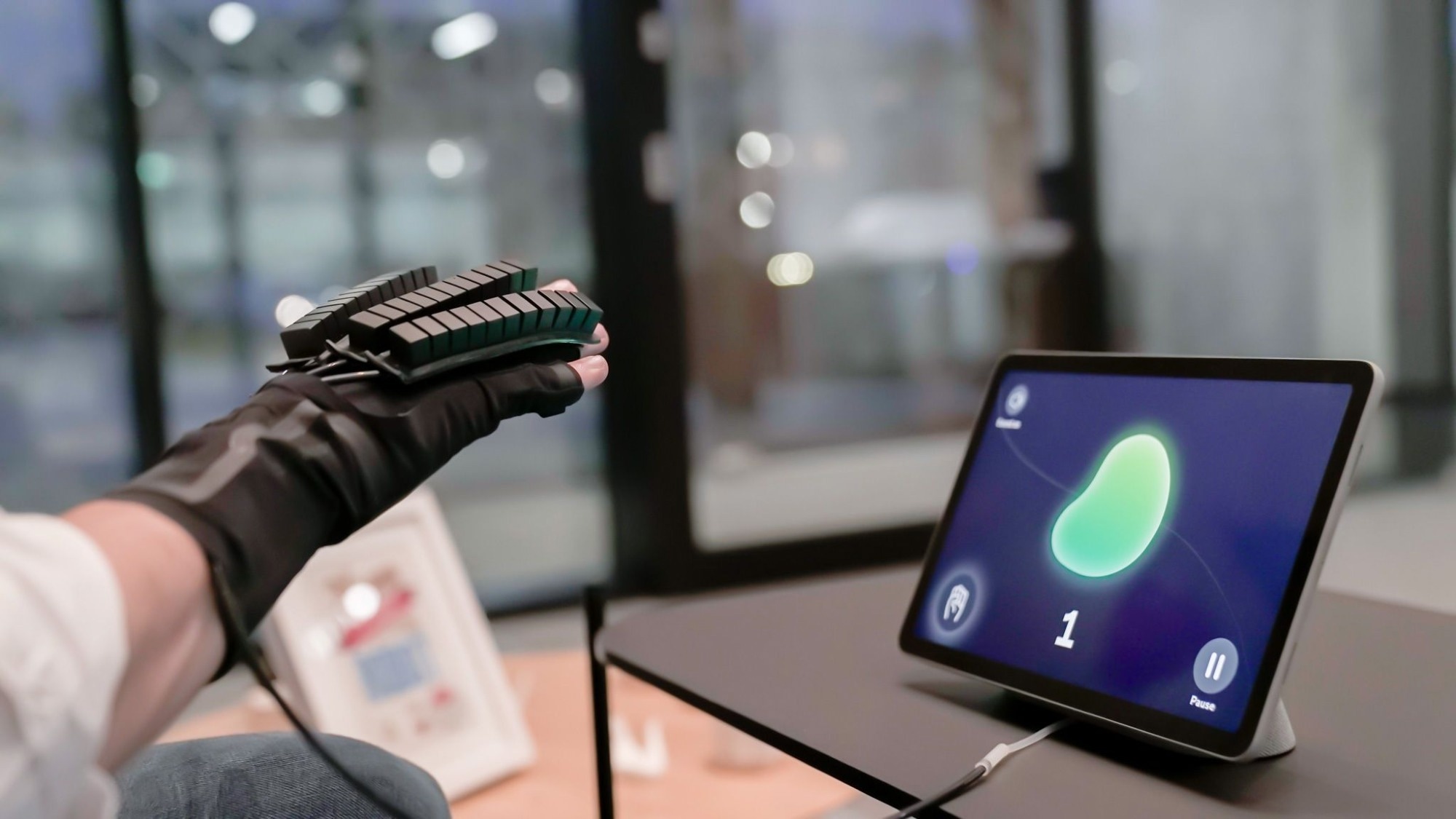
Rehabilitative technology encompasses a wide range of devices, software, and equipment designed to assist individuals in recovering from physical, cognitive, or emotional challenges. This technology aims to improve functional abilities, enhance mobility, and promote independence. Examples include:
- Therapeutic Exercise Equipment: Tools like resistance bands and stationary bikes that aid in physical rehabilitation.
- Assistive Devices: Walkers, wheelchairs, and prosthetics that help individuals regain mobility.
- Telehealth Platforms: Digital tools that enable remote consultations and therapy sessions.
- Wearable Technology: Devices that track progress and provide real-time feedback during rehabilitation exercises.
My Journey with Rehabilitative Technology
The Initial Challenge
After undergoing knee surgery due to a sports injury, I faced a daunting recovery process. The thought of regaining mobility and strength was overwhelming, and I feared that my active lifestyle would be permanently altered. However, my physical therapist introduced me to various rehabilitative technologies that would change my recovery experience.
Discovering the Benefits
- Smart Rehabilitation Devices: I started using a smart knee brace equipped with sensors that tracked my range of motion and provided real-time feedback. This technology allowed me to monitor my progress and adjust my exercises accordingly.
- Virtual Reality (VR) Therapy: My therapist incorporated VR into my rehabilitation sessions. Using immersive environments, I was able to engage in therapeutic exercises that felt less like work and more like play. This approach not only made therapy enjoyable but also encouraged me to push my limits.
- Telehealth Sessions: With the convenience of telehealth, I could attend follow-up appointments from home. This flexibility allowed me to stay on track with my recovery while managing my schedule effectively.
- Wearable Fitness Trackers: I began using a fitness tracker to monitor my daily activity levels. The device motivated me to stay active and set achievable goals, which significantly contributed to my overall recovery.
The Results
The combination of these rehabilitative technologies accelerated my recovery process. I noticed improvements in my strength, flexibility, and overall confidence. What once felt like a long and arduous journey became manageable and even empowering. Within weeks, I was back to my regular activities, and my physical therapist was amazed at my progress.
Tips for Maximizing Recovery with Rehabilitative Technology
Based on my experience, here are some practical tips for anyone looking to enhance their recovery using rehabilitative technology:
1. Consult with Professionals
Always work with healthcare professionals, such as physical therapists or rehabilitation specialists, to determine the best technologies for your specific needs. They can guide you in selecting the right tools and developing a personalized rehabilitation plan.
2. Embrace Telehealth Options
Take advantage of telehealth services for follow-up appointments and consultations. This convenience can help you stay engaged in your recovery without the stress of travel.
3. Incorporate Wearable Technology
Utilize wearable devices to track your progress and stay motivated. These tools can provide valuable insights into your activity levels and help you set realistic goals.
4. Explore Innovative Therapies
Don’t hesitate to try new therapies, such as virtual reality or gamified rehabilitation. These approaches can make rehabilitation more enjoyable and encourage consistent participation.
5. Stay Consistent and Patient
Recovery takes time and effort. Use rehabilitative technology to maintain consistency in your exercises and remember to be patient with yourself throughout the process.
6. Engage with Support Communities
Join online forums or local support groups to connect with others going through similar recovery journeys. Sharing experiences and tips can provide motivation and encouragement.
Conclusion
Rehabilitative technology has the potential to transform the recovery process, making it faster and more effective than ever before. My personal journey with these innovative tools has shown me the power of technology in enhancing rehabilitation outcomes. By embracing these advancements and following the tips outlined above, you can optimize your recovery journey and regain your strength and independence more quickly. Whether you’re recovering from surgery, an injury, or a medical condition, don’t underestimate the impact of rehabilitative technology on your path to healing!


