

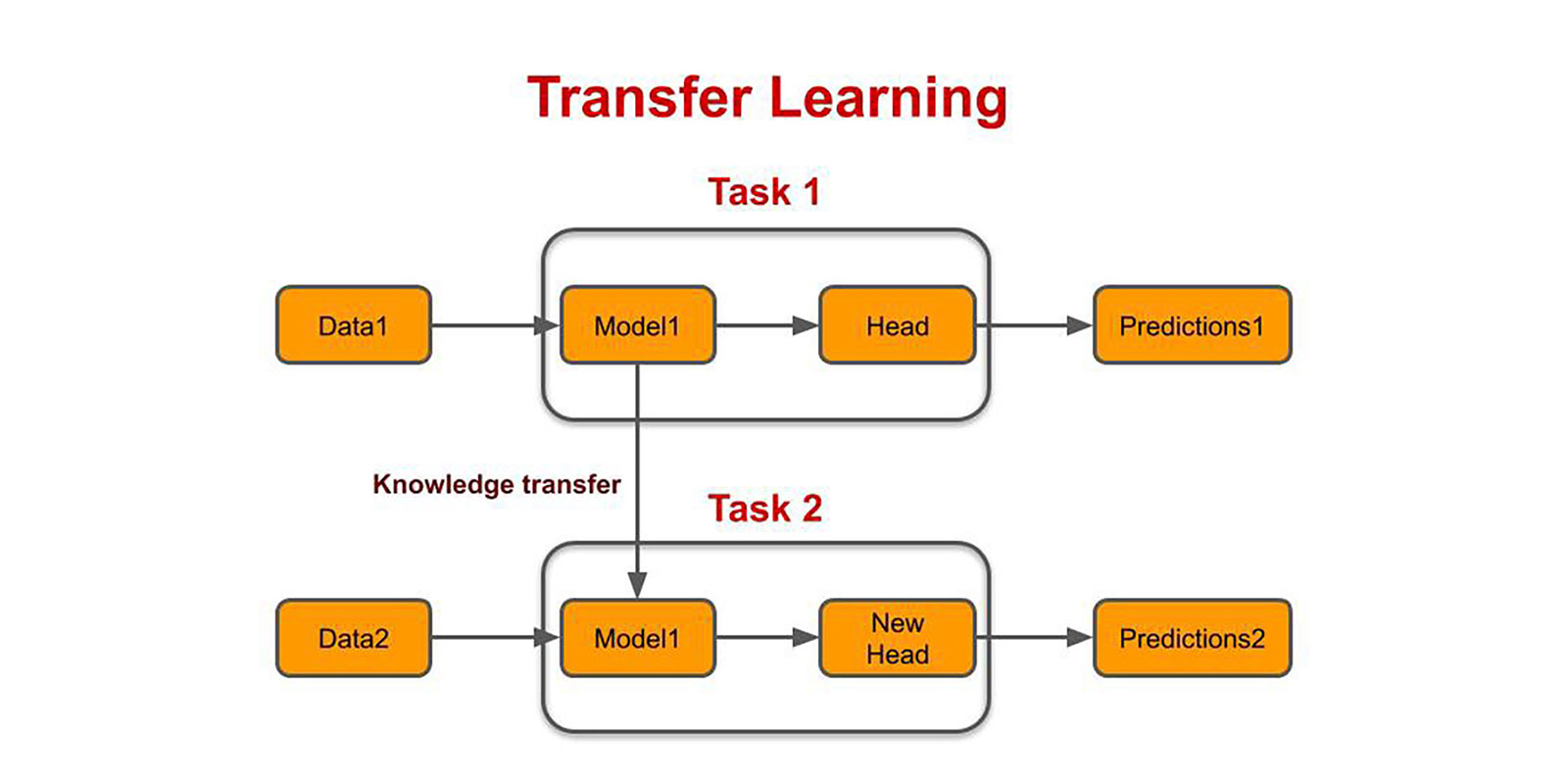
Jakarta, odishanewsinsight.com – Transfer Learning has become one of the most effective techniques in modern artificial intelligence because it allows models to reuse knowledge gained from one task and apply it to another related task. Instead of building every AI system from the ground up, developers can start with a pre-trained model and adapt it to a new problem with less data, less training time, and often better performance. This approach has transformed how machine learning systems are developed across areas such as computer vision, natural language processing, speech recognition, and healthcare analytics.
What makes Transfer Learning especially valuable is its efficiency. Training large AI models from scratch can require enormous datasets, computing power, and development effort. Transfer Learning reduces that burden by taking advantage of patterns already learned in earlier training. A model that understands general visual features or language structure can be fine-tuned for a specialized task such as medical image analysis, sentiment detection, or document classification. In short, it helps AI systems learn faster by standing on the shoulders of models that have already done the heavy lifting.
What Transfer Learning Means
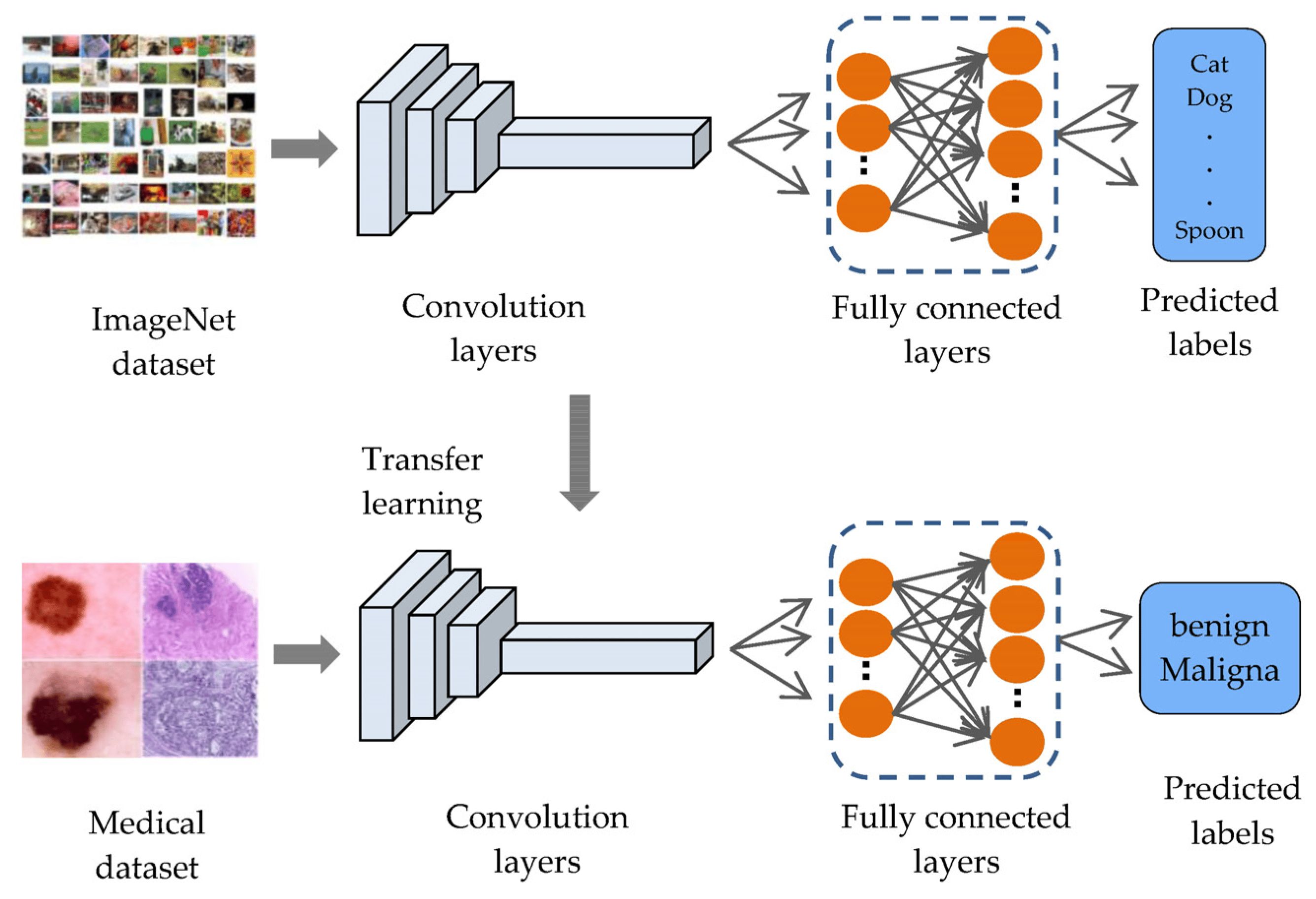
Transfer Learning refers to the machine learning method of applying knowledge from a previously trained model to a new but related task. Rather than starting with random parameters, developers begin with a model that has already learned useful representations from a large dataset.
Core characteristics of Transfer Learning include:
- Reuse of pre-trained models
- Faster model development
- Reduced need for large labeled datasets
- Improved learning efficiency
- Better performance on related tasks
- Fine-tuning for specialization
- Broad use across AI domains
- Lower computational cost compared with full training from scratch
These characteristics explain why Transfer Learning has become a core strategy in practical AI development.
How Transfer Learning Works
To understand Transfer Learning, it helps to look at the basic process.
Pre-Trained Base Model
A model is first trained on a large general dataset. This model learns broad features, patterns, and relationships that can be useful beyond the original task.
Knowledge Reuse
Instead of discarding that trained model, developers use it as the starting point for a new task.
Fine-Tuning
Some or all of the model’s layers are adjusted using data from the target task. This helps the model adapt its existing knowledge to the new problem.
Task-Specific Output
The final layers may be modified or replaced so the model can produce outputs suited to the new application, such as classification labels, predictions, or extracted features.
This process makes AI development faster and often more effective, especially when target data is limited.
Why Transfer Learning Matters
Its impact on AI development is significant.
Reduced Training Time
Because the model already knows useful patterns, it does not need to learn everything from scratch.
Lower Data Requirements
Transfer Learning is especially valuable when labeled data for the target problem is limited or expensive to collect.
Stronger Performance
Pre-trained models often provide better starting points, leading to improved accuracy on related tasks.
Broader Accessibility
Smaller teams and organizations can build capable AI systems without the massive resources required to train large models from zero.
This is why Transfer Learning has become so important in real-world machine learning.
Common Applications of Transfer Learning
Transfer Learning is used in many AI fields where existing learned knowledge can be adapted efficiently.
Computer Vision
Pre-trained image models can be fine-tuned for tasks such as object detection, facial recognition, quality inspection, and medical imaging.
Natural Language Processing
Language models trained on massive text corpora can be adapted for translation, summarization, sentiment analysis, question answering, and classification.
Speech and Audio Processing
Models trained on broad audio patterns can support tasks like speech recognition, speaker identification, and sound classification.
Healthcare AI
Transfer Learning helps build specialized diagnostic and predictive tools even when medical datasets are relatively small.
These examples show how Transfer Learning speeds development across multiple AI domains.
Transfer Learning Overview Table
Below is a concise summary of the main features of Transfer Learning.
| Aspect | Description | Why It Matters |
|---|---|---|
| Core idea | Reuse learned knowledge from an existing model | Speeds up AI development |
| Main advantage | Less data and training time needed | Makes model building more efficient |
| Common method | Fine-tuning a pre-trained model | Adapts general knowledge to specific tasks |
| Key benefit | Strong performance on related problems | Improves practical results |
| Typical use cases | Vision, language, speech, healthcare | Expands AI accessibility and impact |
Together, these points explain why Transfer Learning is now a central tool in machine learning workflows.
Challenges and Limitations
Despite its advantages, Transfer Learning is not always perfect.
Task Mismatch
If the source task and target task are too different, transferred knowledge may be less useful or even harmful.
Fine-Tuning Complexity
Choosing which layers to freeze, retrain, or modify requires technical judgment and experimentation.
Bias Transfer
A pre-trained model may carry biases or limitations from its original training data into the new application.
Model Size
Some pre-trained models are large and resource-intensive, which can create deployment challenges.
These limitations show that Transfer Learning is powerful, but still requires careful implementation.
Why Transfer Learning Accelerates AI Development
Transfer Learning accelerates AI development because it reduces duplication of effort. Instead of building every model from the ground up, developers can start from a system that already understands useful structures in data and then refine it for a new purpose. This shortens development cycles, lowers resource demands, and helps organizations deliver AI solutions more quickly.
It continues to stand out because it offers:
- Faster experimentation
- Lower data dependency
- Reduced computational cost
- Better performance on many specialized tasks
- Greater accessibility for AI builders
This is why Transfer Learning remains one of the most practical and influential methods in modern artificial intelligence.
Final Thoughts
Transfer Learning has changed the way AI systems are built by allowing models to carry useful knowledge from one task into another. It makes machine learning faster, more efficient, and more accessible by reducing the need for massive datasets and lengthy training processes. Across computer vision, language, speech, and healthcare, it continues to support stronger and more practical AI solutions.
The key takeaway is simple. Transfer Learning matters because it accelerates AI development by helping machines learn new tasks from what they already know.
Explore our “”Technology“” category for more insightful content!
Don't forget to check out our previous article: Industrial Automation: Revolutionizing Manufacturing Processes
