What makes XSS especially dangerous is that the malicious code runs in the victim’s browser within the trust context of the target website. This means the attack can exploit the relationship between the user and the application rather than simply attacking the server directly. Preventing XSS is therefore not about one magical filter or one clever library. It requires careful handling of input, output, browser behavior, templating, scripting, and security policy. In other words, the browser is helpful, fast, and feature rich. It is also perfectly willing to execute a terrible idea if you accidentally hand it one.
What XSS Is
At its core, cross site scripting occurs when untrusted data is included in a web page without proper handling, allowing malicious JavaScript to execute in a user’s browser.
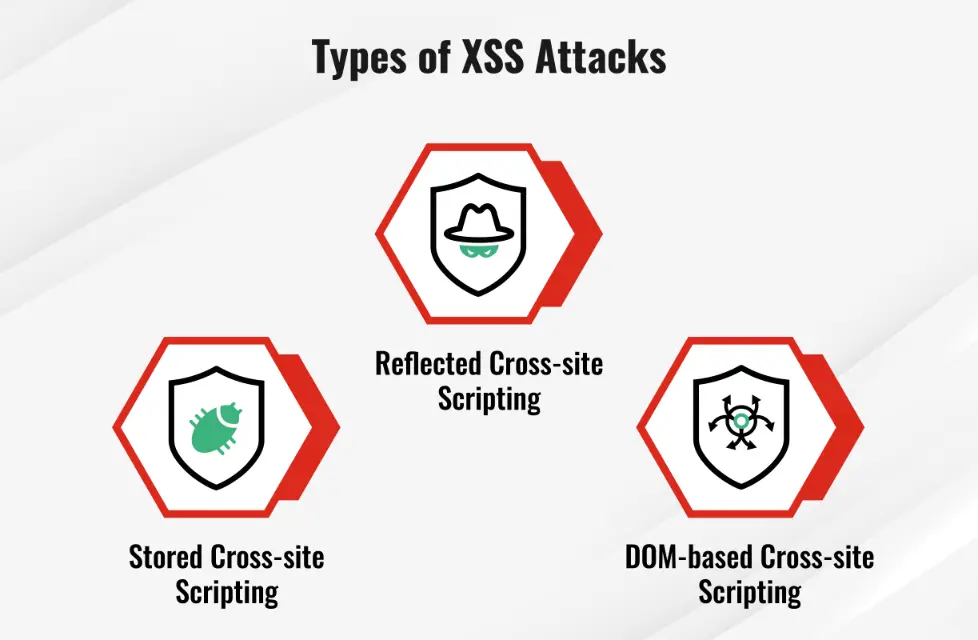
Common forms of XSS include:
- Stored XSS, where malicious input is saved and later served to users
- Reflected XSS, where malicious input is returned immediately in a response
- DOM based XSS, where client side scripts insert unsafe data into the page
- Script injection through user generated content
- Malicious event handlers or HTML attributes
- Unsafe URL or JavaScript scheme insertion
These forms explain why XSS Prevention must address both server side and client side behavior.
Why XSS Prevention Matters
This matters because XSS can compromise users, sessions, trust, and application integrity.
User Account Risk
Attackers may steal cookies, tokens, or user input to hijack accounts.
Data Exposure
Sensitive information displayed in the browser can be extracted or manipulated.
Application Integrity
Injected scripts can alter content, trigger actions, or mislead users.
Reputational and Compliance Impact
Security incidents can damage trust and create legal or regulatory consequences.
This is why XSS Prevention remains a critical part of web security.
Core Principles of XSS Prevention
Several defensive principles form the foundation of protection.
Output Encoding
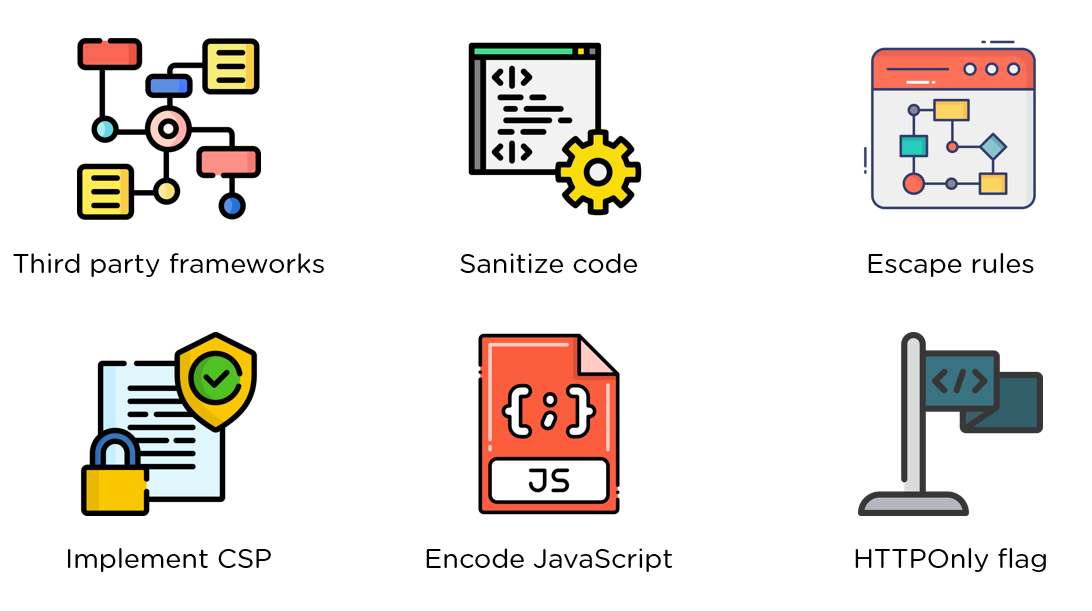
Untrusted data should be encoded based on the context in which it is inserted, such as HTML, attributes, JavaScript, CSS, or URLs.
Safe Templating
Use frameworks and template engines that escape output by default and avoid unsafe rendering shortcuts.
Input Validation
Validate data for expected format and type, though validation alone is not enough to stop XSS.
Sanitization
When users are allowed to submit rich text or HTML, sanitize content with a trusted and well maintained sanitizer.
Avoid Dangerous DOM APIs
Do not insert untrusted content using unsafe methods such as innerHTML without proper sanitization.
Content Security Policy
Use a strong Content Security Policy to reduce the impact of injected scripts and restrict script execution sources.
Together, these principles create layered protection against XSS.
XSS Prevention Overview Table
Below is a concise summary of the main XSS Prevention techniques.
| Technique |
Main Role |
Why It Matters |
| Output encoding |
Escapes untrusted data by context |
Prevents browsers from interpreting data as code |
| Safe templating |
Uses secure rendering defaults |
Reduces developer mistakes |
| Input validation |
Restricts unexpected data shapes |
Lowers attack surface |
| Sanitization |
Cleans rich content safely |
Helps when HTML input is allowed |
| Content Security Policy |
Limits executable script behavior |
Mitigates damage if injection occurs |
Together, these defenses show that XSS Prevention depends on secure rendering, careful coding, and browser level controls.
Practical Ways to Protect Your Web Application
Protecting against XSS requires secure habits throughout development.
Encode by Output Context
Apply the right encoding for HTML text, attributes, JavaScript strings, CSS values, and URLs.
Escape by Default
Favor frameworks that automatically escape rendered content unless explicitly told otherwise.
Sanitize Rich Text Carefully
If users can post formatted content, use a proven sanitization library and keep it updated.
Avoid Inline Scripts
Reducing inline JavaScript makes Content Security Policy more effective.
Use Trusted APIs
Prefer safe DOM APIs such as textContent over methods that interpret HTML.
Set Security Headers
Use Content Security Policy and related headers to strengthen browser side protection.
Review Third Party Code
Libraries, widgets, and scripts can introduce unsafe rendering behavior.
Test for XSS
Use automated scanning, manual review, and security testing in both development and production workflows.
These practices help reduce both obvious and subtle XSS risks.
Common Mistakes in XSS Prevention
A few recurring mistakes often create vulnerabilities.
Relying Only on Input Filtering
Filtering input is useful but cannot replace output encoding and safe rendering.
Using the Wrong Encoding Context
Encoding for HTML does not automatically protect JavaScript, CSS, or URL contexts.
Trusting User Content Too Easily
Comments, profile fields, search parameters, and imported data should all be treated as untrusted.
Bypassing Framework Safety Features
Unsafe rendering shortcuts often reintroduce risks that the framework would otherwise prevent.
Weak or Missing CSP
Without a strong policy, injected scripts may execute more easily.
Recognizing these mistakes helps teams build stronger defenses.
Why XSS Prevention Continues to Matter
XSS Prevention continues to matter because web applications are increasingly interactive, data driven, and dependent on user supplied content. Every dynamic interface creates opportunities for unsafe rendering if developers are not careful about how data moves from storage to browser. As front end complexity grows, the risk shifts across templates, APIs, components, third party scripts, and browser behavior. The solution is not panic. It is disciplined engineering. Browsers are astonishingly capable tools, but they do need firm guidance on which text is content and which text is a trap wearing angle brackets.
It continues to matter because XSS Prevention helps:
- Protect user accounts and sessions
- Reduce data exposure risk
- Preserve application integrity
- Strengthen secure coding practices
- Support trust and compliance
This is why XSS Prevention remains essential for modern web application security.
Final Thoughts
XSS Prevention is a core web security practice that protects applications and users from malicious script injection. Effective defense depends on output encoding, safe templating, input validation, sanitization, secure DOM handling, and browser side policies such as Content Security Policy. Rather than relying on a single fix, secure teams use layered protection to reduce both exploitability and impact.
The key takeaway is simple. XSS Prevention matters because untrusted input becomes dangerous the moment a browser mistakes it for trusted code.
Explore our “”Technology“” category for more insightful content!