

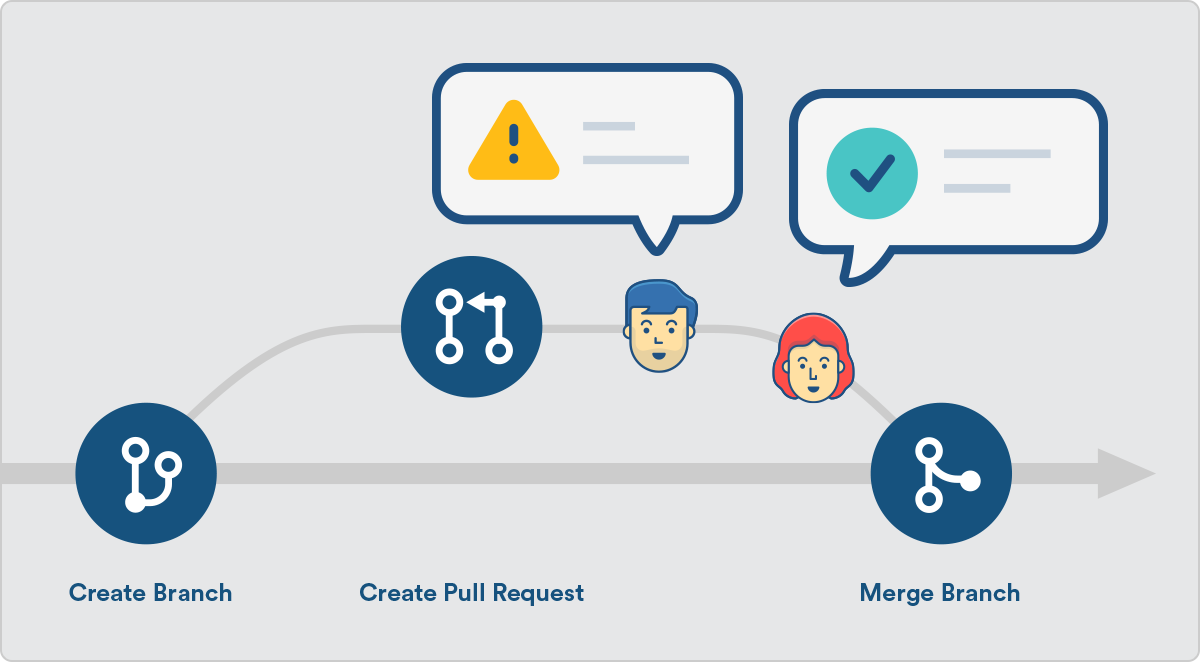
Jakarta, odishanewsinsight.com – Pull Requests are formal requests to merge code changes from one branch into another, usually within Git-based development platforms such as GitHub, GitLab, or Bitbucket. More than a mechanical step in version control, pull requests serve as a structured checkpoint for review, discussion, validation, and approval before code becomes part of a shared branch. They create a visible process for evaluating changes, improving collaboration, and maintaining quality across a software project.
What makes pull requests especially important is that they turn isolated coding activity into a transparent team workflow. Instead of developers pushing code directly into shared branches with fingers crossed and coffee in hand, pull requests introduce a layer of accountability where changes can be inspected, tested, discussed, and refined. This helps teams catch bugs, improve design decisions, share knowledge, and ensure that integration happens intentionally rather than accidentally. In practice, a pull request is part gate, part conversation, and part quality filter with a suspiciously polite user interface.
What Pull Requests Are
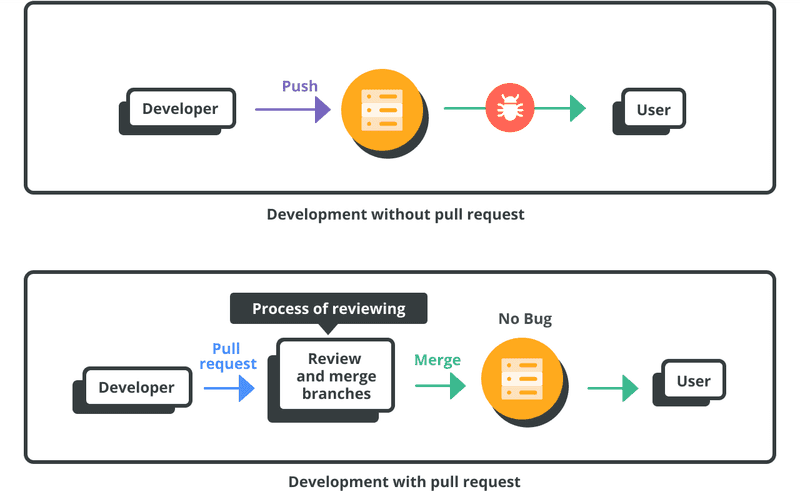
At their core, Pull Requests are collaboration tools used to propose, review, and approve code changes before merging them into a target branch.
Common elements of pull requests include:
- Source and target branches
- Code diffs
- Review comments
- Approval workflows
- Automated test results
- Status checks
- Linked issues or tasks
- Merge controls
- Change descriptions
- Revision history
These elements help teams understand what is changing and whether it is ready to merge.
Why Pull Requests Matter
This matters because strong software delivery depends on review, visibility, and integration discipline.
Improving Code Quality
Pull requests create a checkpoint where logic, structure, and maintainability can be examined.
Strengthening Team Collaboration
Developers can discuss implementation details, risks, and alternatives in a shared review space.
Supporting Quality Assurance
Automated tests and validation checks can run before code is merged.
Creating Traceability
Pull requests preserve a documented record of why and how changes were introduced.
This is why pull requests remain a foundational part of modern development workflows.
Key Benefits of Pull Requests
Several benefits explain why pull requests are widely adopted.
Focused Code Review
Reviewers can inspect isolated changes rather than scanning broad, unstructured updates.
Early Bug Detection
Potential defects can be caught before they reach shared or production branches.
Knowledge Sharing
Review discussions help spread technical understanding across the team.
Process Consistency
Teams can apply standard rules for testing, approvals, and merge readiness.
Safer Integrations
Pull requests reduce the likelihood of unstable code entering important branches.
Together, these benefits make pull requests valuable far beyond simple merge requests.
Pull Requests Overview Table
Below is a concise summary of the main dimensions of Pull Requests.
| Element | Main Role | Why It Matters |
|---|---|---|
| Code diff | Shows the exact changes | Supports focused review |
| Review comments | Enables discussion and feedback | Improves quality and clarity |
| Automated checks | Validates builds and tests | Catches issues before merge |
| Approval workflow | Confirms readiness | Adds accountability and control |
| Merge history | Records integration details | Supports traceability and auditing |
Together, these elements show how pull requests improve both technical quality and team coordination.
Best Practices for Effective Pull Requests
A good pull request process works best when supported by clear habits.
Keep Changes Small
Smaller pull requests are easier to understand, review, and merge safely.
Write Clear Descriptions
A strong summary should explain what changed, why it changed, and any special review context.
Link Related Work
Connecting pull requests to tasks, bugs, or issues improves traceability.
Require Automated Checks
Builds, tests, and linting should pass before approval or merge.
Review Thoroughly
Comments should focus on correctness, maintainability, performance, and possible side effects.
Respond to Feedback Clearly
Authors should address comments thoughtfully and explain decisions when needed.
Avoid Long-Lived Review Branches
The longer a pull request stays open, the greater the chance of drift and integration pain.
These practices help pull requests remain useful rather than bureaucratic.
Common Problems with Pull Requests
Even strong workflows can become inefficient if certain habits take hold.
Oversized Pull Requests
Large changes slow reviewers down and increase the risk of missed issues.
Superficial Approvals
Quick approvals without meaningful review weaken the entire process.
Unclear Descriptions
Reviewers lose time if they cannot quickly understand purpose and impact.
Review Bottlenecks
Slow review cycles can delay delivery and frustrate contributors.
Ignoring Automation Results
Bypassing failing checks undermines trust in the workflow.
These problems show that the value of pull requests depends on how seriously teams use them.
Why Pull Requests Continue to Matter
Pull Requests continue to matter because modern software teams need a reliable way to combine collaboration, review, and quality control before code reaches shared branches. As development becomes faster and more distributed, pull requests provide a structured place where technical decisions can be inspected, discussed, and validated. They help teams reduce defects, preserve accountability, and build a clearer shared understanding of the codebase over time. Git may track changes faithfully, but pull requests help teams judge whether those changes were a good idea in the first place, which is an entirely different and more interesting challenge.
It continues to matter because pull requests help teams:
- Improve code review quality
- Catch issues before merge
- Document decisions and context
- Support testing and validation
- Strengthen collaboration across contributors
This is why pull requests remain essential in professional software workflows.
Final Thoughts
Pull Requests are structured requests to merge code changes that support review, discussion, testing, and approval before integration. Their value lies in improving code quality, strengthening accountability, and making software collaboration more transparent and disciplined. When used well, pull requests become a practical quality assurance layer that helps teams ship better code with greater confidence and fewer surprises.
The key takeaway is simple. Pull Requests matter because they turn code integration into a visible, reviewable, and higher-quality team process.
Explore our “”Technology“” category for more insightful content!
Don't forget to check out our previous article: Google Ads: Building, Optimizing, and Scaling High-Performance Google Ads Campaigns
