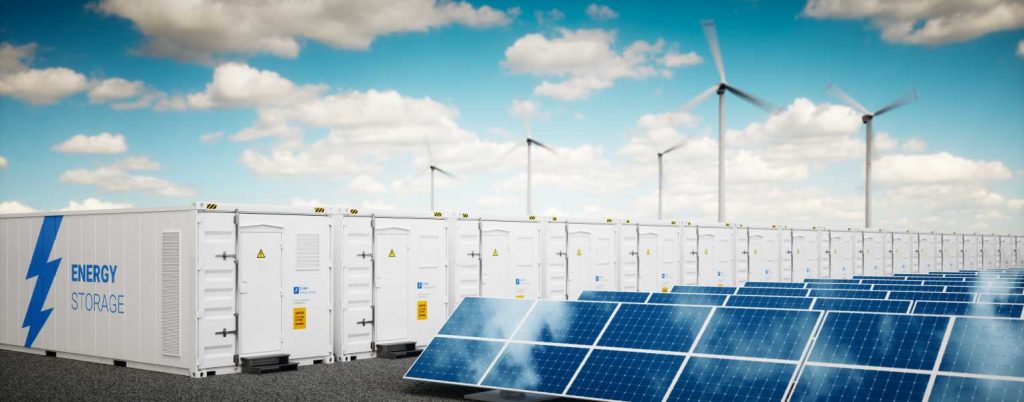
Energy storage has become a crucial component in the modern energy landscape, enabling us to harness and utilize energy more efficiently than ever before. As renewable energy sources like solar and wind become increasingly prevalent, the need for effective energy storage solutions has never been more important. In this article, I’ll explore the significance of energy storage, the various technologies available, and why I consider it an essential part of my daily life.
Understanding Energy Storage
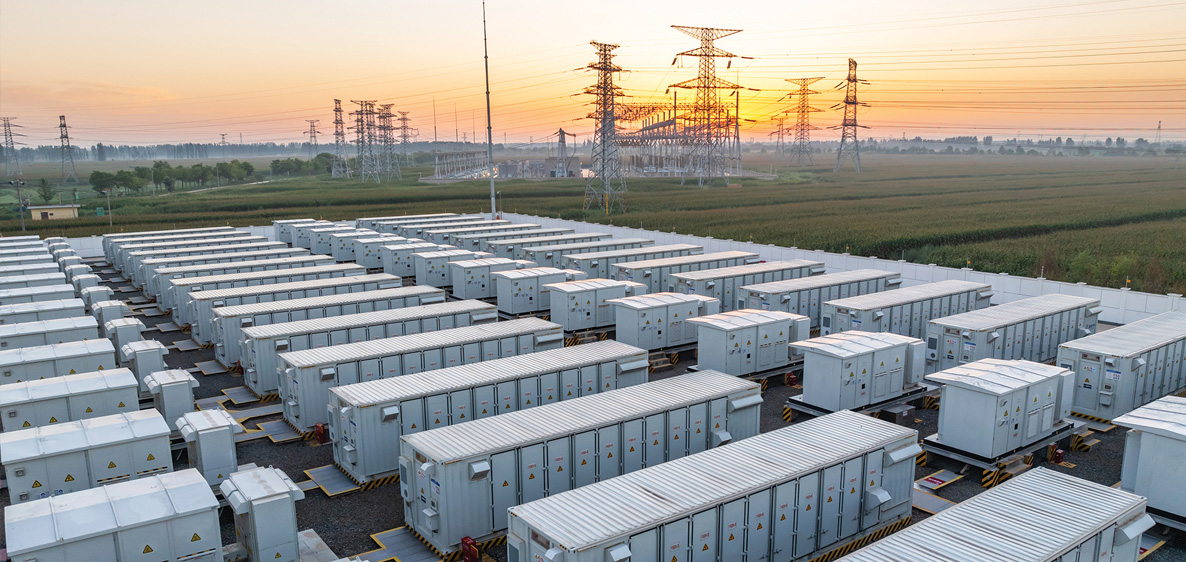
Energy storage refers to the methods and technologies used to capture and store energy for later use. This capability is vital for balancing supply and demand, especially with the intermittent nature of renewable energy sources. By storing excess energy generated during peak production times, we can ensure a reliable power supply when demand is high or generation is low.
Key Benefits of Energy Storage
- Grid Stability and Reliability: Energy storage systems help stabilize the grid by providing backup power during outages and balancing fluctuations in energy supply and demand. This reliability is crucial for maintaining a consistent power supply.
- Integration of Renewable Energy: As we transition to renewable energy sources, energy storage plays a vital role in managing their variability. By storing excess energy generated during sunny or windy days, we can use it when production decreases, ensuring a continuous energy supply.
- Cost Savings: Energy storage can lead to significant cost savings by allowing users to store energy when prices are low and use it when prices are high. This strategy, known as demand response, can help reduce energy bills for both residential and commercial users.
- Environmental Benefits: By facilitating the use of renewable energy, energy storage contributes to reducing greenhouse gas emissions. It supports a cleaner energy future by enabling greater reliance on sustainable power sources.
Types of Energy Storage Technologies
There are several energy storage technologies available, each with its unique advantages and applications:
1. Battery Storage
Batteries are the most common form of energy storage, particularly lithium-ion batteries, which are widely used in residential solar energy systems. They store electricity chemically and release it when needed. Key benefits include:
- Scalability: Battery systems can be easily scaled to meet specific energy needs.
- Rapid Response: Batteries can respond quickly to changes in demand, making them ideal for grid stability.
2. Pumped Hydro Storage
Pumped hydro storage is a well-established technology that uses two water reservoirs at different elevations. When excess energy is available, water is pumped from the lower reservoir to the upper one. During high demand, the stored water is released to generate electricity. This method is highly efficient but requires specific geographical conditions.
3. Flywheel Energy Storage
Flywheels store energy in the form of kinetic energy by spinning a rotor at high speeds. At times of demand, the kinetic energy stored in the rotor is reconverted into electricity. Flywheels are known for their durability and ability to provide quick bursts of energy, making them suitable for grid stabilization.
4. Thermal Energy Storage
Thermal energy storage systems store energy in the form of heat or cold. For example, molten salt can store heat generated by solar power plants, which can then be used to produce electricity when sunlight is not available. This technology is particularly beneficial for large-scale solar power installations.
5. Hydrogen Storage
By running electrolysis on excess clean energy, you produce hydrogen that can either be stored as a fuel source or converted back into power using fuel-cell technology. Hydrogen storage offers a long-term solution for energy storage but is still in the developmental stages for widespread adoption.
Why I Can’t Live Without Energy Storage
As someone who values sustainability and energy independence, energy storage has become an indispensable part of my life. Here’s why I can’t imagine living without it:
1. Reliability During Outages
Having an energy storage system gives me peace of mind during power outages. With a battery backup, I can continue to power essential appliances and devices, ensuring that I stay connected and comfortable even when the grid goes down.
2. Maximizing Renewable Energy Use
With solar panels installed on my roof, energy storage allows me to maximize the benefits of my solar investment. I can store excess energy generated during the day and use it during the evening when my energy consumption is highest. This not only reduces my reliance on the grid but also lowers my electricity bills.
3. Environmental Impact
By utilizing energy storage, I am actively contributing to a cleaner environment. Storing renewable energy helps reduce my carbon footprint and supports the transition to a more sustainable energy future. It’s a small step that makes a significant difference.
4. Cost Efficiency
Energy storage enables me to take advantage of time-of-use pricing, allowing me to store energy when rates are low and use it when rates are high. This strategy helps me save money and optimize my energy consumption.
5. Empowerment and Independence
Energy storage empowers me to take control of my energy usage. I feel more independent and self-sufficient knowing that I can generate and store my own energy, reducing my reliance on external energy sources.
Conclusion
Energy storage is a game-changer in the world of renewable energy, offering smart solutions to keep power available when we need it most. From enhancing grid stability to maximizing the use of renewable resources, energy storage plays a vital role in our transition to a sustainable future.
As I embrace energy storage in my own life, I recognize its profound impact on reliability, cost savings, and environmental sustainability. Whether through battery systems, pumped hydro, or other technologies, energy storage is essential for creating a greener, more resilient energy landscape. I can confidently say that energy storage is not just a luxury; it’s a necessity for anyone looking to go green and chill!