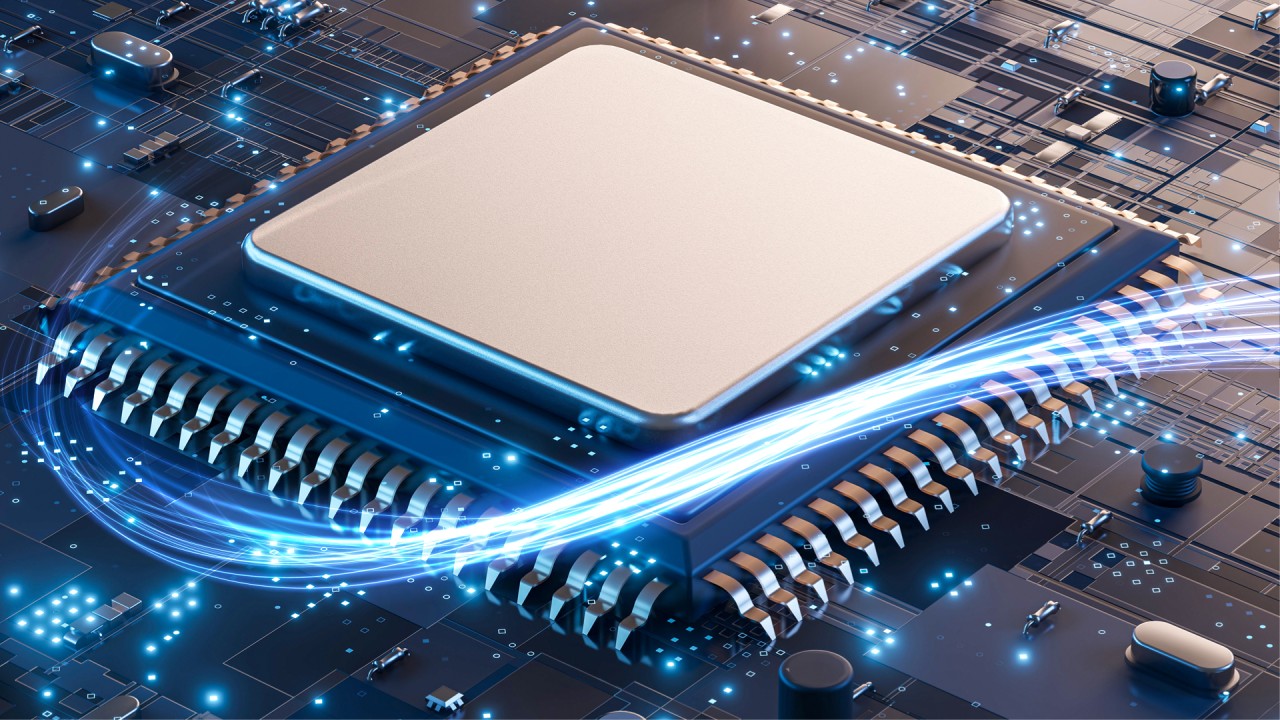
ASIC chips (Application-Specific Integrated Circuits) are purpose-built silicon solutions designed to perform specific tasks with unmatched efficiency and performance. Unlike general-purpose processors, ASICs are tailored for particular applications, making them the go-to choice for industries requiring high performance, low power consumption, and optimized processing capabilities. In this article, I’ll share my real experience with ASIC chips, their benefits, and some valuable tips for working with them.
What are ASIC Chips?

1. Understanding ASIC Technology
ASIC chips are integrated circuits designed for a specific application rather than general-purpose use. They are custom-built to perform a particular function, such as cryptocurrency mining, digital signal processing, or automotive control systems.
2. Key Features of ASIC Chips
- High Efficiency: ASICs are optimized for their intended tasks, resulting in significantly higher performance and lower power consumption compared to general-purpose processors.
- Speed: Due to their specialized design, ASICs can execute tasks much faster than CPUs or FPGAs, making them ideal for time-sensitive applications.
- Compact Design: ASICs can be designed to occupy less physical space, which is beneficial in applications where size is a critical factor.
My Experience with ASIC Chips
1. Getting Started with ASIC Development
My journey into the world of ASIC chips began when I was involved in a project focused on developing a custom chip for a specialized application in telecommunications. The goal was to create a chip that could handle specific signal processing tasks more efficiently than existing solutions.
- Experience: I collaborated with a team of engineers to define the specifications, design the architecture, and eventually work with a semiconductor manufacturer to produce the ASIC.
2. Challenges Faced
While the process was rewarding, it came with its own set of challenges.
- Design Complexity: Designing an ASIC requires a deep understanding of both hardware and software. The complexity of the design process can be daunting, especially when optimizing for performance and power consumption.
- Cost and Time: Developing ASICs can be expensive and time-consuming. The initial design phase, fabrication, and testing can take months, and the costs can escalate quickly.
Benefits of Using ASIC Chips
1. Unmatched Performance
One of the most significant advantages of ASIC chips is their ability to deliver unmatched performance for specific tasks.
- Benefit: In applications like cryptocurrency mining, ASICs can outperform general-purpose hardware by orders of magnitude, leading to higher efficiency and profitability.
2. Lower Power Consumption
ASICs are designed to perform their tasks with minimal power consumption.
- Benefit: This is particularly important in mobile and embedded applications where battery life is crucial. The efficiency of ASICs can lead to extended operational periods without recharging.
3. Cost-Effectiveness for High Volumes
While the initial development cost of ASICs can be high, they become cost-effective when produced in large quantities.
- Benefit: For companies that anticipate high demand for a product, investing in ASIC development can lead to significant savings in production costs over time.
Real-World Applications of ASIC Chips
1. Cryptocurrency Mining
ASIC chips have revolutionized the cryptocurrency mining industry, providing miners with specialized hardware that outperforms general-purpose GPUs.
- Example: ASIC miners for Bitcoin, such as the Antminer series, are designed specifically for the SHA-256 hashing algorithm, offering unparalleled mining efficiency.
2. Telecommunications
In telecommunications, ASICs are used for tasks such as signal processing and data routing.
- Example: Custom ASICs can optimize the processing of signals in 5G networks, ensuring faster data transmission and improved reliability.
3. Consumer Electronics
ASICs are widely used in consumer electronics for applications such as audio processing, video encoding, and image processing.
- Example: Many modern smartphones use ASICs to handle specific functions, such as camera image processing, enhancing performance while conserving battery life.
4. Automotive Systems
ASICs are increasingly used in automotive applications, particularly for advanced driver-assistance systems (ADAS).
- Example: Custom chips can process data from various sensors in real-time, enabling features like lane-keeping assistance and adaptive cruise control.
Tips for Working with ASIC Chips
- Define Clear Specifications: Before starting the design process, ensure that you have a clear understanding of the requirements and specifications for your ASIC. This will guide the entire development process.
- Collaborate with Experts: Working with experienced engineers and designers can help navigate the complexities of ASIC development. Their expertise can significantly improve the design and implementation process.
- Utilize Simulation Tools: Before fabrication, use simulation tools to test and validate your design. This can help identify potential issues early in the process, saving time and money.
- Plan for Testing and Validation: Allocate sufficient time and resources for testing your ASIC once it is fabricated. Rigorous testing is essential to ensure that the chip meets performance and reliability standards.
- Consider Future Scalability: When designing an ASIC, think about potential future applications or enhancements. Designing with scalability in mind can extend the lifespan of your chip and increase its value.
Conclusion
ASIC chips represent a powerful solution for applications requiring unmatched performance and efficiency. My experience in developing ASICs has shown me their potential to transform industries, from cryptocurrency mining to telecommunications and beyond.
While the challenges of ASIC development can be significant, the benefits of tailored performance, lower power consumption, and cost-effectiveness for high volumes make them an attractive option for many applications. By following the tips outlined in this article, you can navigate the complexities of ASIC design and unlock the full potential of this remarkable technology.