

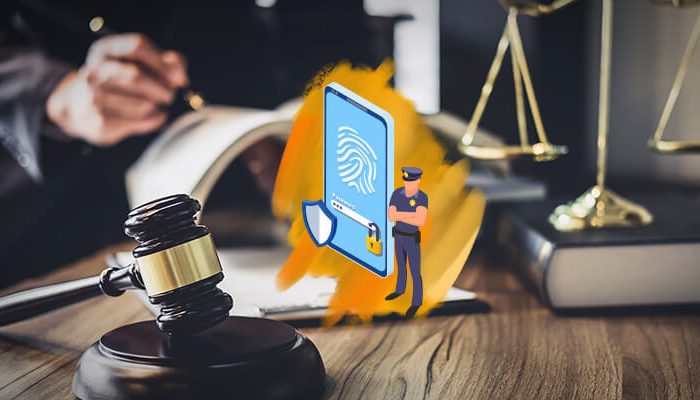
JAKARTA, odishanewsinsight.com – In our increasingly digital world, the importance of data privacy laws has never been more significant. With the rapid growth of the internet and digital technologies, personal information is constantly being collected, shared, and processed. Understanding your rights under these laws is essential to protect your privacy and ensure that your data is handled responsibly. In this article, we will delve into the key aspects of data privacy laws and what they mean for you.
What Are Data Privacy Laws?

Data privacy laws are regulations designed to protect individuals’ personal information from misuse and unauthorized access. These laws govern how organizations collect, store, use, and share data, ensuring that individuals have control over their personal information.
The Importance of Data Privacy Laws
- Protection of Personal Information: Data privacy laws safeguard sensitive information such as names, addresses, financial details, and health records from unauthorized access and exploitation.
- Empowerment of Individuals: These laws empower individuals by granting them rights over their personal data, including the right to access, correct, and delete their information.
- Accountability for Organizations: Data privacy laws hold organizations accountable for their data handling practices, requiring them to implement adequate security measures and comply with regulations.
- Trust and Confidence: By ensuring the protection of personal information, data privacy laws foster trust between individuals and organizations, encouraging responsible data practices.
Key Data Privacy Laws Around the World
1. General Data Protection Regulation (GDPR)
The GDPR is a comprehensive data privacy law enacted by the European Union in 2018. It sets strict guidelines for the collection and processing of personal data, providing individuals with robust rights regarding their information.
Key Features:
- Right to Access: Individuals can request access to their personal data held by organizations.
- Right to Erasure: Also known as the “right to be forgotten,” individuals can request the deletion of their personal data under certain conditions.
- Data Portability: Individuals can transfer their data from one service provider to another easily.
2. C C P A
The CCPA is a state law that enhances privacy rights for residents of California. It aims to give consumers more control over their personal information collected by businesses.
Key Features:
- Right to Know: Consumers can request information about the personal data collected about them and how it is used.
- Right to Withdraw Consent: Consumers have the option to refuse the sale of their personal information to third parties.
- Non-Discrimination: Businesses cannot discriminate against consumers who exercise their privacy rights.
3. H I P A A (Health Insurance Mobility and Accountability)
HIPAA is a U.S. legislation that safeguards sensitive patient health information from being revealed without the patient’s consent or awareness.
Key Features:
- Privacy Rule: Establishes national standards for the protection of health information.
- Security Rule: Sets standards for safeguarding electronic health information.
Your Rights Under Data Privacy Laws
Understanding your rights under data privacy laws is crucial for protecting your personal information. Here are some common rights you may have:
- Right to Access: You have the right to request access to your personal data held by organizations.
- Right to Correction: You have the ability to request corrections to any inaccurate or incomplete personal information.
- Right to Deletion: You may request the deletion of your personal data under certain circumstances.
- Right to Restrict Processing: You can request that organizations limit the processing of your personal data.
- Right to Data Portability: You are entitled to obtain your personal data in a structured, widely used format and transfer it to another organization.
- Right to Challenge: You have the right to challenge the processing of your personal data for particular purposes, such as direct marketing.
Best Practices for Protecting Your Data Privacy
To safeguard your personal information in today’s digital landscape, consider the following best practices:
- Stay Informed: Keep yourself updated on the latest data privacy laws and regulations that apply to your region.
- Review Privacy Policies: Before sharing your personal information with organizations, review their privacy policies to understand how your data will be used and protected.
- Utilize Robust Passwords: Protect your online accounts with strong, unique passwords and enable two-factor authentication whenever possible.
- Limit Data Sharing: Be cautious about sharing personal information on social media and other online platforms. Only share what is necessary.
- Exercise Your Rights: Don’t hesitate to exercise your rights under data privacy laws. If you believe your data has been mishandled, reach out to the organization or relevant authorities.
Conclusion: Navigating the Digital Landscape
As our lives become increasingly intertwined with digital technologies, understanding data privacy laws is essential for protecting your personal information. These laws empower individuals and hold organizations accountable for their data practices. By staying informed and exercising your rights, you can navigate the digital landscape with confidence and ensure that your privacy is respected.
In an era where data is a valuable commodity, being proactive about your data privacy is not just a choice; it’s a necessity. Embrace your rights and advocate for a safer digital environment for everyone.
Boost Your Competence: Uncover Our Insights on Technology
Spotlight Article: “Cybersecurity Measures!”
