Wed. Feb 11th, 2026

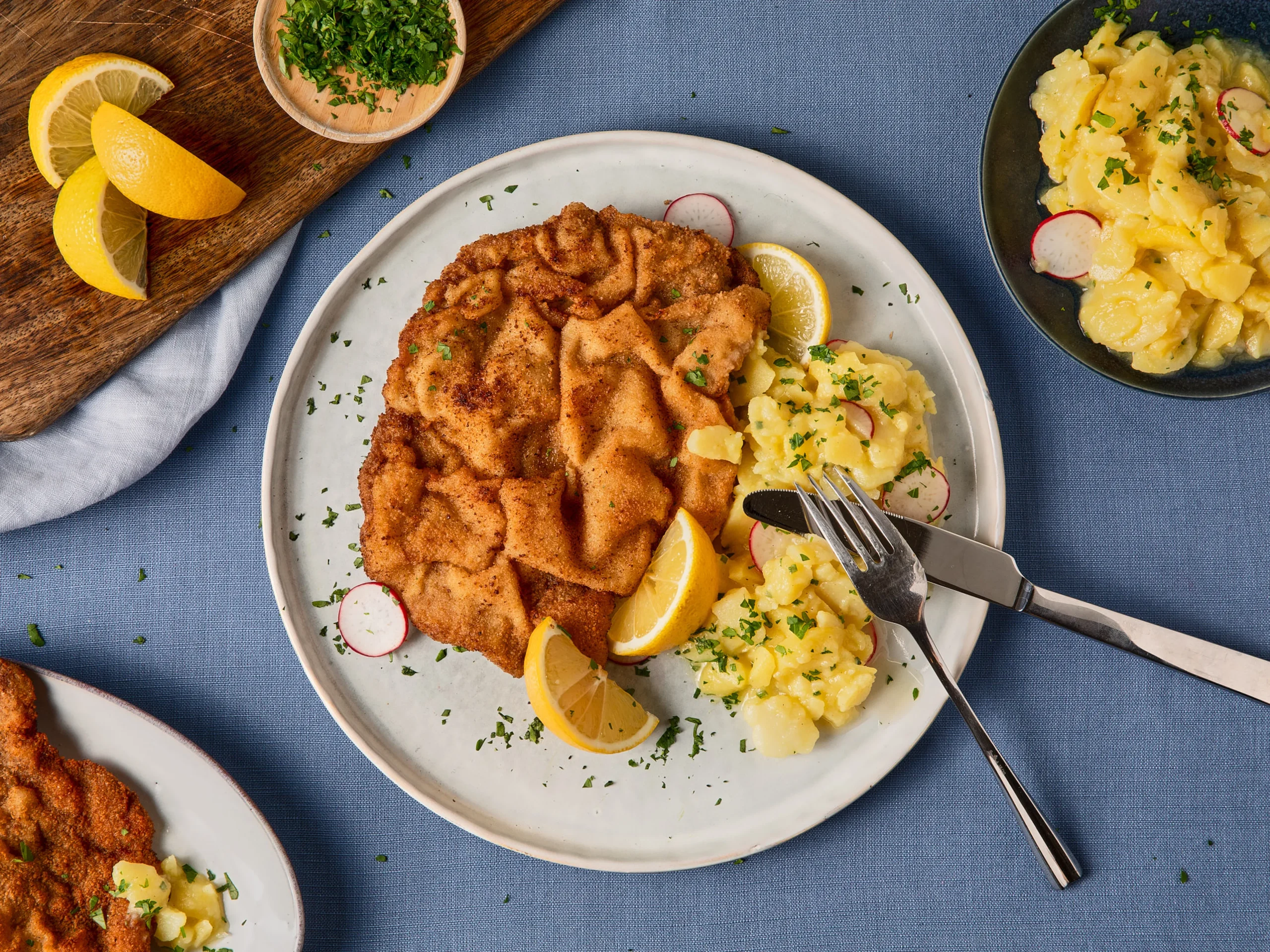
When it comes to iconic comfort food, Schnitzel reigns as one of the most beloved dishes in Austria and beyond. This golden, crispy, and tender breaded meat is not just a meal; it’s a piece of culinary history that has been cherished for generations. Whether you’re enjoying it in a cozy Viennese restaurant or preparing it in your own kitchen, schnitzel has a way of bringing people together with its delicious simplicity.
I first fell in love with schnitzel during a trip to Austria, where I had the opportunity to try it in its most authentic form—Wiener Schnitzel. The tender veal, perfectly coated in a crispy breading, paired with a tangy lemon wedge and a side of creamy potato salad—it was nothing short of a food lover’s dream. Since then, I’ve enjoyed recreating this classic dish at home, and in this article, I’ll take you through the history, the different variations, and, of course, the steps to make schnitzel from scratch.

At its core, Schnitzel is a breaded and deep-fried meat cutlet, typically made from veal, pork, or chicken. The meat is usually thinly sliced, pounded to tenderize it, and then cover in flour, egg wash, and breadcrumbs before being fried until golden crisp. While schnitzel originated in Austria, its popularity has spread far beyond its borders, with various countries putting their own spin on the dish.
The dish is often served with a simple garnish of lemon wedges, which add a fresh, zesty contrast to the richness of the fried meat. Some variations also come with traditional side dishes like potato salad, lingonberry sauce, or cucumber salad, making it a hearty and satisfying meal.
Schnitzel’s origins are somewhat debated, but it is believed to have been inspired by the traditional Italian dish cotoletta, a breaded and fried meat cutlet. The roots of schnitzel in Austria can be traced back to the 18th century, but it became popular in Vienna in the 19th century, where it was known as Wiener Schnitzel (Viennese schnitzel).
The name “Wiener Schnitzel” comes from Vienna, where the dish became iconic. It’s important to note that while the term schnitzel refers to any breaded and fried cutlet, Wiener Schnitzel specifically refers to veal schnitzel. Over time, schnitzel became a staple of Austrian cuisine, and various countries adopted their own versions, with slight variations in the type of meat used and the preparation method.
Although Wiener Schnitzel (veal schnitzel) is the most famous version, schnitzel can be made from various types of meat. Each version has its own unique characteristics and flavors, depending on the meat used and the regional variations.
The classic and most well-known schnitzel is the Wiener Schnitzel, which is made from veal. This version is the gold standard of schnitzels, with its delicate, tender meat and crispy, light breading. It’s often served with a simple side of potato salad, lingonberry jam, or a crisp green salad.
The Schweinsschnitzel, or pork schnitzel, is another popular variant. It’s made with pork cutlets, which are slightly thicker and heartier than veal. Pork schnitzel is a great choice for those who prefer a more robust flavor and slightly more affordable meat compared to veal. It’s typically served the same way as Wiener Schnitzel, with similar accompaniments.
A variation that’s common in both Germany and Austria is Hähnchenschnitzel (chicken schnitzel). This version uses boneless, skinless chicken breasts, making it a lighter option compared to veal or pork. The process for preparing chicken schnitzel is similar to that of veal and pork, with a breading that creates a satisfying crunch.
Jägerschnitzel, or Hunter’s Schnitzel, is a variant that typically uses pork or veal as the base. However, the star of this dish is the rich mushroom sauce that accompanies the schnitzel. The sauce is made with sautéed mushrooms, onions, and a splash of white wine or broth, creating a savory topping for the schnitzel. This hearty dish is often served with mashed potatoes or spaetzle (German egg noodles).
Zigeunerschnitzel, or Schnitzel, is another variation that is typically made with pork or veal. It is served with a spicy tomato-based sauce, often with bell peppers, onions, and paprika, giving it a bold and tangy flavor. This version of schnitzel brings a little heat to the table, adding a layer of excitement for those who enjoy spicier dishes.
Making schnitzel at home is surprisingly simple and requires only a few basic ingredients. The key is to ensure the meat is thin, the breading is crispy, and the frying is done at the right temperature. Here’s a step-by-step guide to making Wiener Schnitzel at home.
4 veal cutlets (or pork/chicken if you prefer)
Salt and pepper, to taste
1 cup all-purpose flour
2 large eggs, beaten
2 cups bread crumbs (preferably fresh, not store-bought)
Vegetable oil, for frying (or a mix of butter and oil for extra flavor)
Lemon wedges, for serving
Prepare the Veal (or Pork/Chicken): Start by placing your veal (or alternative meat) between two sheets of plastic wrap or parchment paper. Use a meat mallet or rolling pin to gently pound the meat to about 1/4-inch thickness. This helps tenderize the meat and ensures that it cooks evenly.
Season the Meat: Season both sides of the meat with salt and pepper. This is the basic seasoning, but you can also add garlic powder or paprika for extra flavor if you like.
Set Up the Breading Station: Set up three shallow dishes for the breading process:
Flour: Place the flour in the first dish.
Egg Wash: Beat the eggs in the second dish.
Breadcrumbs: Place the breadcrumbs in the third dish.
Bread the Schnitzel: Dredge each piece of meat in the flour, ensuring it is fully coated. Then dip it into the egg wash, letting any excess drip off, and finally, coat it with the breadcrumbs. Press gently to make sure the breadcrumbs stick well to the meat.
Fry the Schnitzel: Heat a large skillet over medium-high heat and add enough oil to cover the bottom. If you’re using a mixture of butter and oil, the butter will add extra flavor and crispiness to the schnitzel. Once the oil is hot (but not smoking), add the breaded schnitzels to the pan. Fry each piece for about 3-4 minutes on each side, until golden brown and crispy.
Drain and Serve: Once the schnitzels are cooked, remove them from the pan and place them on a paper towel-lined plate to drain any excess oil. Serve immediately with a generous squeeze of fresh lemon juice over the top. Pair with a simple side of potato salad, mixed greens, or roasted vegetables.
Schnitzel is traditionally served with a variety of side dishes. Some popular options include:
Potato Salad: A creamy, tangy potato salad pairs perfectly with the richness of schnitzel.
Spaetzle: These soft, German egg noodles are a classic side to accompany schnitzel.
Cucumber Salad: A light, refreshing cucumber salad adds a crunchy contrast to the crispy schnitzel.
Lingonberry Jam: A spoonful of sweet and tart lingonberry jam is a traditional accompaniment to schnitzel, especially in Austria.
Schnitzel is more than just a dish; it’s a celebration of Austrian culinary tradition. With its crispy exterior and tender interior, schnitzel offers a comforting and satisfying meal that has stood the test of time. Whether you’re making Wiener Schnitzel at home or enjoying it at a local restaurant, this dish brings people together and offers a delicious taste of Austria’s rich gastronomic heritage.
So, next time you’re craving something crispy, tender, and utterly delicious, give schnitzel a try. It’s the perfect dish for a cozy dinner or a special occasion, and with its simple ingredients and easy preparation, it’s sure to become a favorite in your kitchen. Guten Appetit!

