

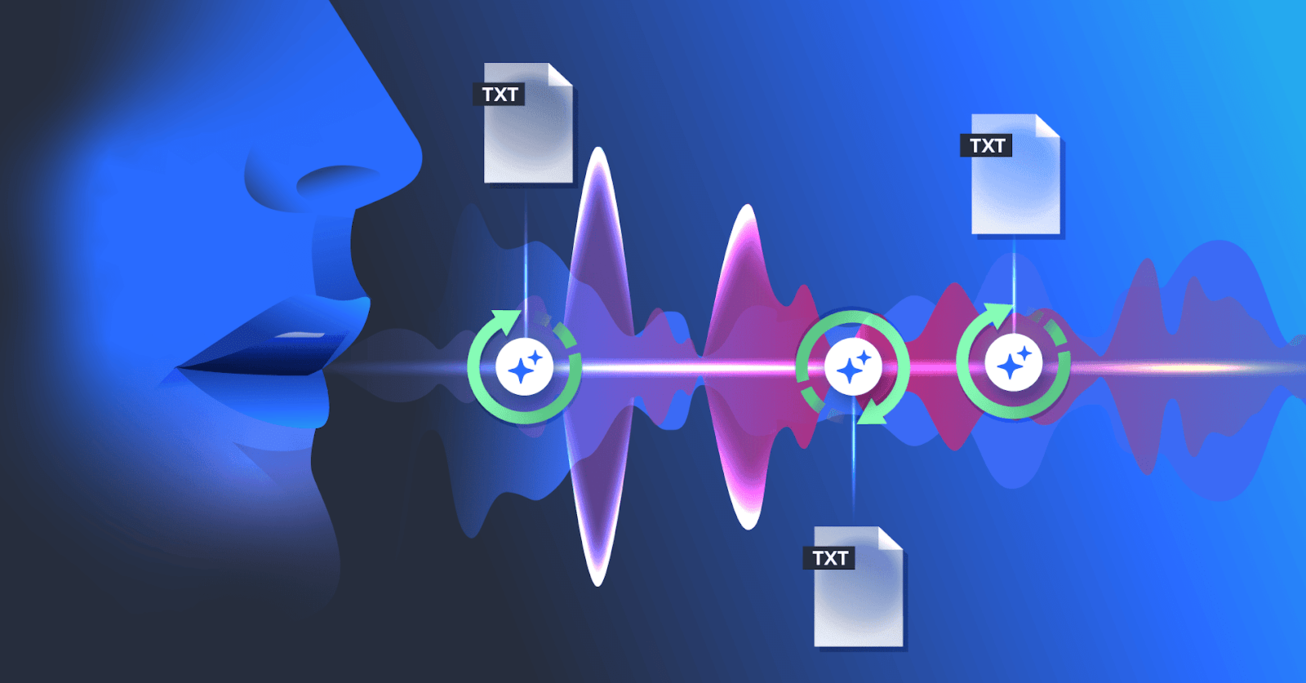
Jakarta, odishanewsinsight.com – Speech Recognition is a technology that allows computers and digital systems to identify, process, and convert spoken language into text or executable commands. It plays a central role in modern voice-driven applications, helping users interact with devices, services, and software in a faster and more natural way. From virtual assistants and dictation tools to automated call systems and accessibility platforms, Speech Recognition has become a foundational technology in human-computer interaction. It is, in essence, the machine learning-powered art of getting computers to listen with purpose.
What makes Speech Recognition especially important is its ability to reduce friction between human intent and digital action. Instead of requiring typed input or manual navigation, it allows users to speak naturally, enabling more fluid communication with technology. As voice interfaces continue to spread across consumer, business, healthcare, and industrial environments, the importance of Speech Recognition continues to grow.
What Speech Recognition Is

Speech Recognition is the process by which a computer system captures spoken audio, analyzes linguistic patterns, and interprets the speech as text, commands, or structured input. Modern systems often rely on machine learning, acoustic modeling, language modeling, and natural language processing to improve accuracy across different speakers, accents, and environments.
Common features associated with Speech Recognition include:
- Conversion of spoken words into text
- Command recognition for device control
- Real-time or near-real-time processing
- Support for multiple languages and accents
- Integration with voice-enabled software
- Use in dictation and transcription
- Adaptation through AI and machine learning
- Enhanced accessibility and hands-free interaction
These features explain why Speech Recognition is such an important part of digital communication systems.
Why Speech Recognition Matters
Speech Recognition matters because it expands how people access and control technology.
Natural Input Method
Speaking is often faster and more intuitive than typing.
Accessibility Enhancement
It helps users who have difficulty using keyboards, screens, or manual controls.
Productivity Support
Speech-based dictation and command input can improve workflow speed.
Hands-Free Interaction
It enables safer and more convenient use in driving, healthcare, field work, and multitasking scenarios.
Scalable Automation
Organizations use it to automate customer service, transcription, and voice-driven interfaces.
These strengths help explain why Speech Recognition is increasingly embedded in modern systems.
Core Characteristics of Speech Recognition
Its value becomes clearer when its defining traits are viewed together.
| Characteristic | Description | Why It Matters |
|---|---|---|
| Audio-to-text conversion | Transforms spoken language into written or digital input | Enables practical voice interaction |
| Real-time processing | Interprets speech quickly during live interaction | Improves responsiveness |
| AI-driven accuracy | Uses machine learning to improve recognition | Supports better performance |
| Multi-environment use | Works in devices, apps, vehicles, and service systems | Expands relevance |
| Accessibility and convenience | Supports users who need or prefer voice input | Broadens usability |
Together, these characteristics show why Speech Recognition is both functional and transformative.
How Speech Recognition Is Commonly Applied
Speech Recognition is commonly applied in virtual assistants, mobile dictation tools, call center automation, smart home devices, healthcare documentation, transcription services, car systems, and accessibility technologies. It is especially useful wherever speed, convenience, or hands-free interaction matters.
It is especially relevant for:
- Voice assistants
- Speech-to-text dictation
- Automated customer support
- Smart home controls
- Medical transcription
- In-car voice systems
- Accessibility software
Its broad set of applications shows how deeply voice technologies are shaping digital experiences.
Why It Remains Important
Speech Recognition remains important because digital systems are increasingly expected to respond in ways that match natural human behavior. Voice is one of the most direct and familiar forms of communication, and systems that can reliably interpret speech create more intuitive experiences. As accuracy improves and integration expands, Speech Recognition is becoming less of a novelty and more of a standard interface layer. Computers are not perfect listeners yet, but they are certainly trying harder than they used to.
It continues to stand out because it provides:
- Faster user input
- More accessible interaction
- Improved task efficiency
- Better support for voice interfaces
- Stronger human-computer communication
This is why Speech Recognition continues to be a critical technology for seamless communication.
Final Thoughts
Speech Recognition highlights how spoken language is becoming a central part of digital interaction. Its importance lies in enabling users to communicate with systems more naturally, efficiently, and accessibly across many environments. Whether used for dictation, automation, accessibility, or device control, Speech Recognition continues to bridge the gap between human speech and machine understanding.
The key takeaway is simple. Speech Recognition matters because it allows technology to understand spoken input, creating faster, more natural, and more seamless communication.
Explore our “”Technology“” category for more insightful content!
Don't forget to check out our previous article: Flask Framework: Lightweight Solutions for Web Development
