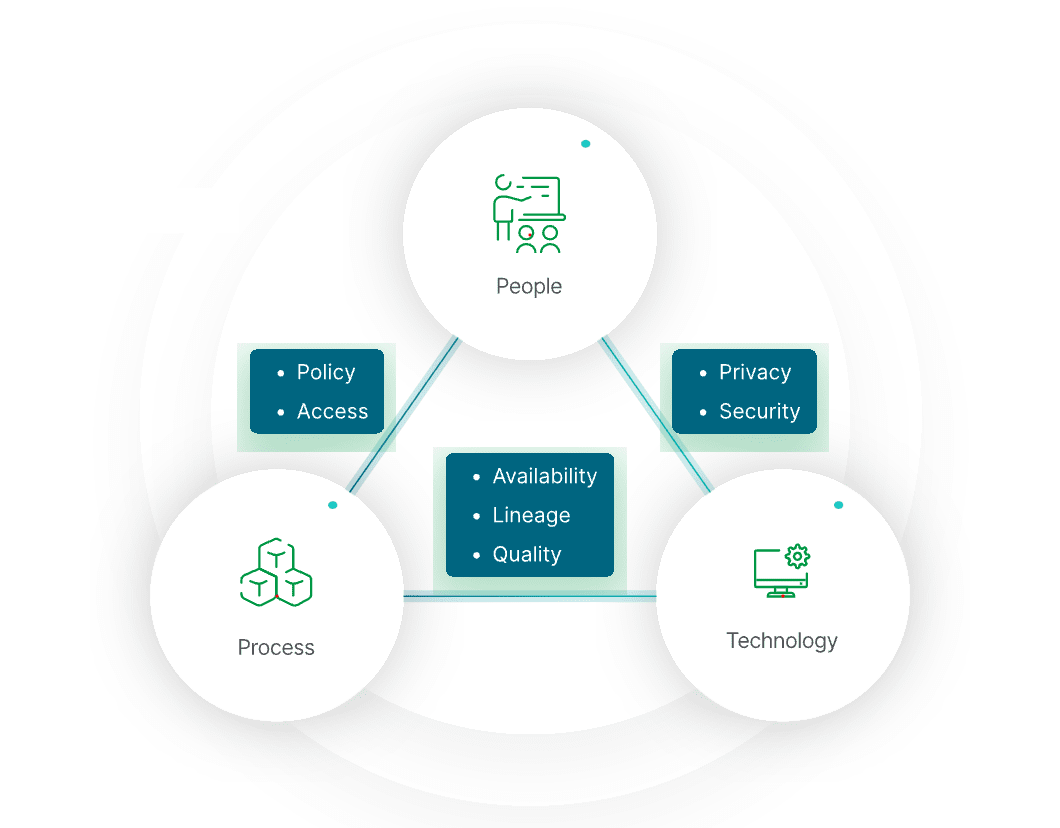
Understanding Data Governance

Data governance involves a framework that defines who can take what actions with what data, and under what circumstances. It includes several key components:
- Data Quality: Ensuring that data is accurate, consistent, and reliable. This is vital for making informed business decisions.
- Data Security: Protecting data from unauthorized access and breaches. This includes implementing security measures and policies to safeguard sensitive information.
- Data Compliance: Adhering to legal and regulatory requirements, such as GDPR or HIPAA, which govern how data should be managed and protected.
- Data Stewardship: Assigning roles and responsibilities to individuals or teams for managing data assets, ensuring accountability and oversight.
My Experience with Data Governance
My experience with data governance began when I was appointed as a data analyst at the financial services firm. The organization had recently faced challenges related to data breaches and compliance issues, which prompted the need for a robust data governance framework.
Initial Challenges
The initial challenge was the lack of a clear data governance policy. Data was stored across multiple systems, leading to inconsistencies and difficulties in accessing reliable information. Additionally, employees were unsure about their responsibilities regarding data management, resulting in a fragmented approach to data handling.
Developing a Data Governance Framework
Recognizing the need for change, I collaborated with a cross-functional team to develop a comprehensive data governance framework. We began by conducting a thorough assessment of the existing data landscape, identifying critical data assets, and understanding the data flow within the organization.
Key Steps in Implementation
- Establishing Data Governance Policies: We created policies that outlined data management practices, including data access controls, data quality standards, and compliance requirements. These policies served as the foundation for our governance framework.
- Assigning Data Stewards: To ensure accountability, we appointed data stewards for each department. These individuals were responsible for overseeing data quality and compliance within their respective areas, fostering a culture of data ownership.
- Implementing Data Quality Measures: We introduced data quality metrics to monitor the accuracy and consistency of data. Regular audits and data profiling were conducted to identify and rectify data issues.
- Training and Awareness: We organized training sessions for employees to raise awareness about the importance of data governance and their roles in maintaining data quality and security. This initiative helped cultivate a data-driven culture within the organization.
Overcoming Resistance
Implementing a data governance framework was not without challenges. Some employees were resistant to change, viewing the new policies as additional bureaucracy. To address this, we emphasized the benefits of data governance, such as improved data accessibility and enhanced decision-making capabilities. By showcasing success stories and demonstrating the positive impact of data governance, we gradually gained buy-in from stakeholders.
The Impact of Data Governance
The implementation of the data governance framework had a transformative effect on the organization. We saw significant improvements in data quality and security, leading to more reliable reporting and analysis. Compliance with regulatory requirements also improved, reducing the risk of penalties and enhancing the organization’s reputation.
Real-World Tips for Effective Data Governance
Based on my experiences, here are some practical tips for implementing a successful data governance strategy:
- Engage Stakeholders Early: Involve key stakeholders from various departments in the development of the data governance framework. Their insights and buy-in are crucial for successful implementation.
- Define Clear Roles and Responsibilities: Clearly outline the roles of data stewards and other stakeholders in the governance process. This clarity fosters accountability and ensures that everyone understands their responsibilities.
- Prioritize Data Quality: Establish data quality metrics and regularly monitor them. Address data quality issues promptly to maintain trust in the data.
- Foster a Data-Driven Culture: Promote awareness of data governance throughout the organization. Encourage employees to take ownership of data management and recognize their contributions to maintaining data integrity.
- Continuously Improve: Data governance is an ongoing process. Regularly review and update governance policies to adapt to changing business needs and regulatory requirements.
Conclusion
My journey in data governance has underscored the critical importance of ensuring quality and security of information within an organization. By implementing a robust data governance framework, organizations can enhance data quality, protect sensitive information, and comply with regulatory requirements. As businesses continue to navigate the complexities of data management, effective data governance will remain essential for driving success and maintaining trust in data-driven decision-making.