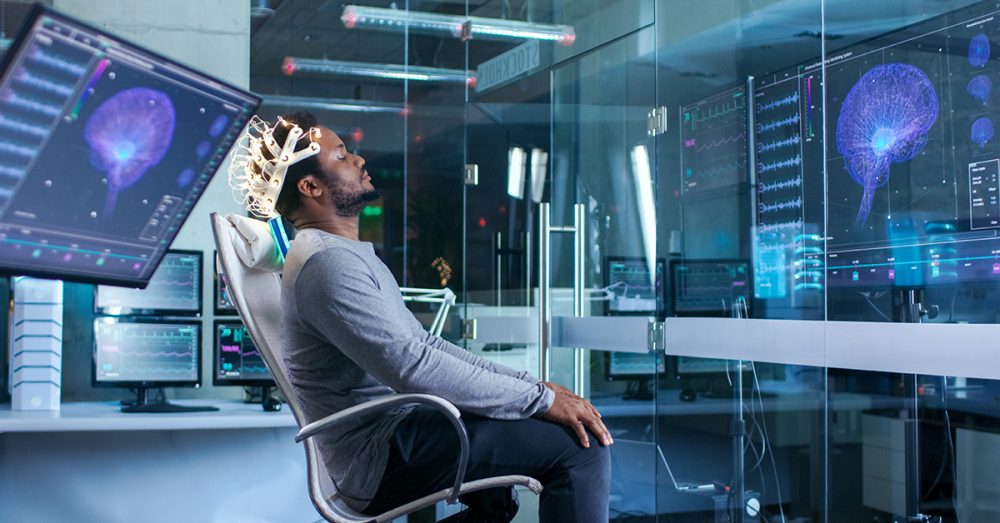
The concept of a brain computer represents a groundbreaking intersection of neuroscience and technology, enabling direct communication between the human brain and external devices. This innovative field, often referred to as brain-computer interfaces (BCIs), promises to transform how we interact with machines, offering profound implications for various applications, from healthcare to gaming. In this article, I’ll explore the fundamentals of brain-computer technology, its applications, benefits, and the future of this exciting frontier.
What is a Brain Computer?
1. Understanding Brain-Computer Interfaces (BCIs)
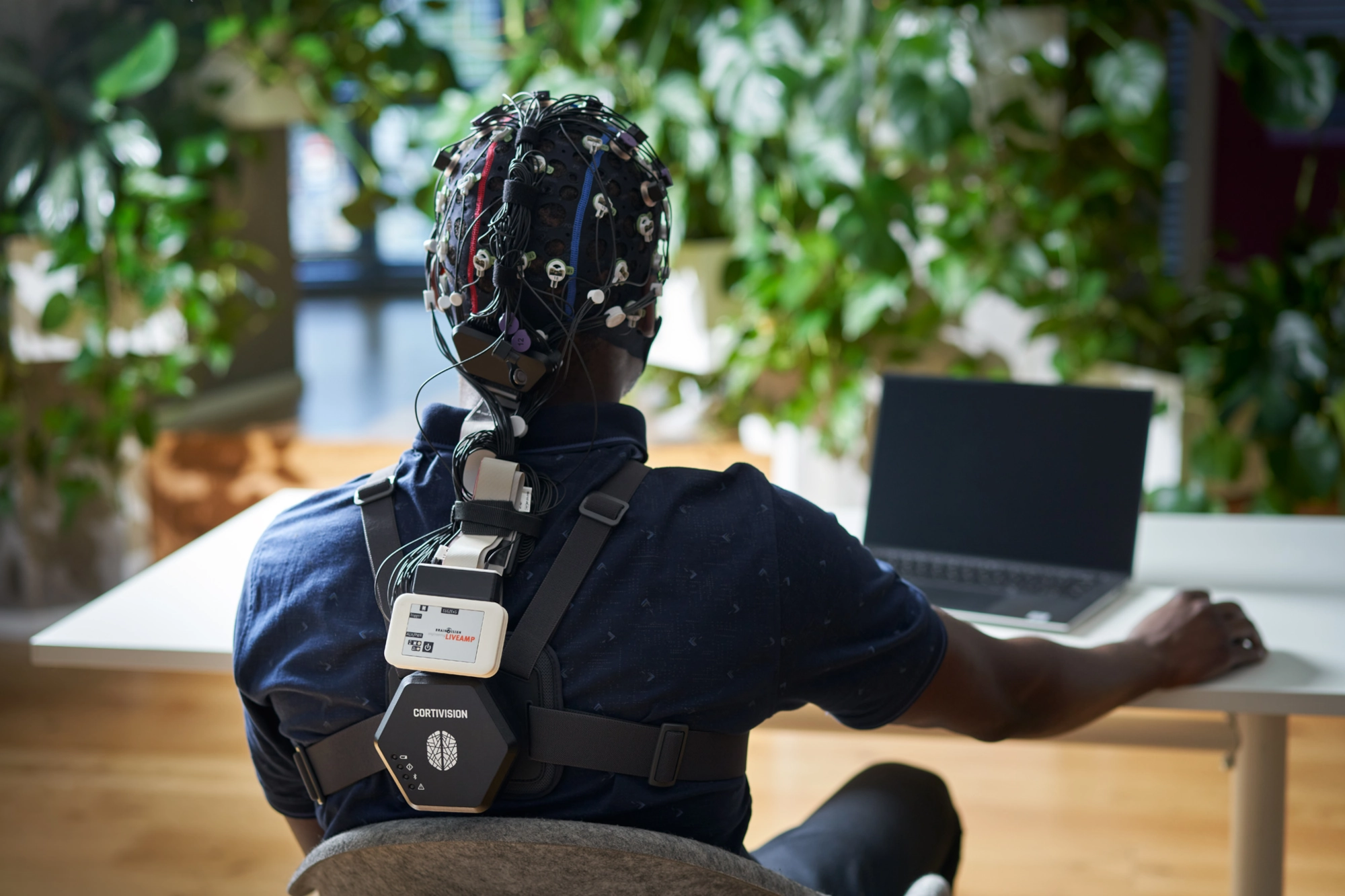
A brain-computer interface establishes a direct connection through which the brain can communicate with an external device. BCIs capture brain signals, decode them, and translate them into commands that can control computers, prosthetics, or other devices. This technology allows users to interact with machines using their thoughts, bypassing traditional input methods like keyboards or touchscreens.
2. How BCIs Work
BCIs typically involve several key components:
- Signal Acquisition: Brain activity is monitored using various methods, such as electroencephalography (EEG), functional magnetic resonance imaging (fMRI), or implanted electrodes. These methods capture electrical signals produced by neuronal activity.
- Signal Processing: The captured signals are processed and filtered to extract relevant information. Advanced algorithms are used to decode the brain’s intentions and translate them into actionable commands.
- Output Device: The decoded signals are sent to an output device, such as a computer, robotic arm, or communication aid, enabling users to control the device with their thoughts.
Applications of Brain Computers
1. Healthcare
BCIs have significant potential in healthcare, particularly for individuals with mobility impairments or neurological disorders. Applications include:
- Prosthetics: BCIs can enable users to control prosthetic limbs with their thoughts, restoring mobility and functionality.
- Communication Aids: For individuals with conditions like ALS or locked-in syndrome, BCIs can facilitate communication by allowing them to select letters or words using brain signals.
- Neurorehabilitation: BCIs can be used in rehabilitation programs to help patients recover motor functions after strokes or injuries by facilitating brain training exercises.
2. Gaming and Entertainment
The gaming industry is exploring the use of BCIs to create more immersive experiences. Players could control game characters or environments using their thoughts, leading to a new level of engagement and interaction.
3. Education and Training
BCIs can enhance learning experiences by providing real-time feedback on cognitive states. For example, educational platforms could adapt content based on a student’s focus or engagement levels, optimizing the learning process.
4. Military and Defense
In military applications, BCIs could improve communication and control of unmanned vehicles or drones, enabling soldiers to operate equipment more efficiently and effectively in high-stress environments.
Benefits of Brain Computers
1. Enhanced Communication
BCIs provide a means of communication for individuals with severe disabilities, allowing them to express their thoughts and needs more effectively. This capability can significantly improve their quality of life and independence.
2. Direct Control
The ability to control devices directly with thoughts eliminates the need for physical interaction, which can be particularly beneficial for individuals with limited mobility. This direct control can lead to more intuitive and responsive interactions with technology.
3. Improved Accessibility
BCIs can enhance accessibility for individuals with disabilities, providing them with new opportunities to engage with technology, communicate, and participate in various activities.
Challenges and Limitations
1. Technical Challenges
Developing reliable and accurate BCIs poses significant technical challenges. Signal acquisition and processing must be precise to ensure that user intentions are correctly interpreted, which can be complicated by noise and variability in brain signals.
2. Ethical Concerns
The potential for BCIs raises ethical questions regarding privacy, consent, and the implications of direct brain access. Ensuring that users’ rights and autonomy are protected is crucial as this technology advances.
3. Cost and Accessibility
Current BCI technologies can be expensive and may not be widely accessible. Reducing costs and improving the availability of these systems will be essential for broader adoption.
The Future of Brain Computers
1. Advancements in Technology
As research in neuroscience and engineering progresses, we can expect significant advancements in BCI technology. Improved signal processing algorithms, miniaturization of devices, and enhanced user interfaces will likely lead to more effective and user-friendly systems.
2. Integration with AI
The integration of artificial intelligence (AI) with BCIs could enhance their capabilities, allowing for more sophisticated interpretation of brain signals and personalized user experiences. AI could help decode complex thoughts and intentions, making BCIs more versatile and responsive.
3. Broader Applications
As BCI technology matures, we can anticipate its application across various fields beyond healthcare and gaming. Industries such as virtual reality, smart home technology, and even creative arts could benefit from the seamless interaction enabled by BCIs.
Conclusion
The emergence of brain computers and brain-computer interfaces heralds a new era of interaction between humans and machines. By enabling direct communication through thought, BCIs hold the potential to transform lives, enhance accessibility, and create more immersive experiences across various domains.
As we continue to explore the possibilities of this technology, it is essential to address the challenges and ethical considerations that arise. With responsible development and application, brain-computer interfaces can bridge the gap between mind and machine, paving the way for a future where technology responds intuitively to our thoughts and needs. Embracing this frontier not only opens up new avenues for innovation but also fosters a deeper understanding of the incredible capabilities of the human brain.