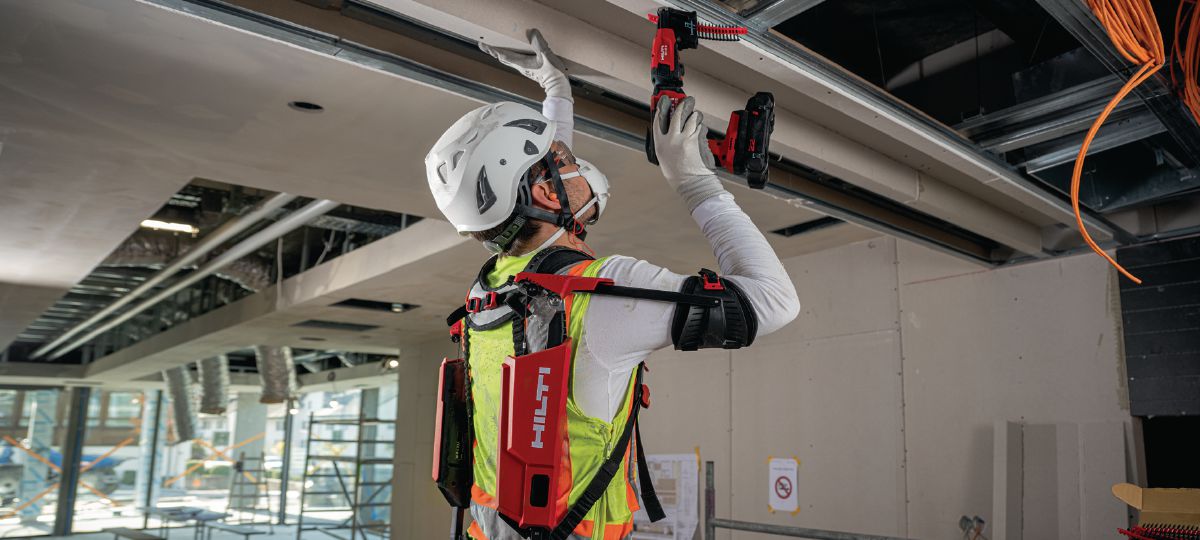
In recent years, exoskeleton suits have emerged as a groundbreaking innovation in the field of rehabilitation, offering hope and enhanced mobility for individuals with physical disabilities or injuries. These wearable robotic devices are designed to support and augment human movement, enabling users to regain independence and improve their quality of life. In this article, we will explore the technology behind exoskeleton suits, their applications in rehabilitation, and the transformative impact they have on users.
What are Exoskeleton Suits?
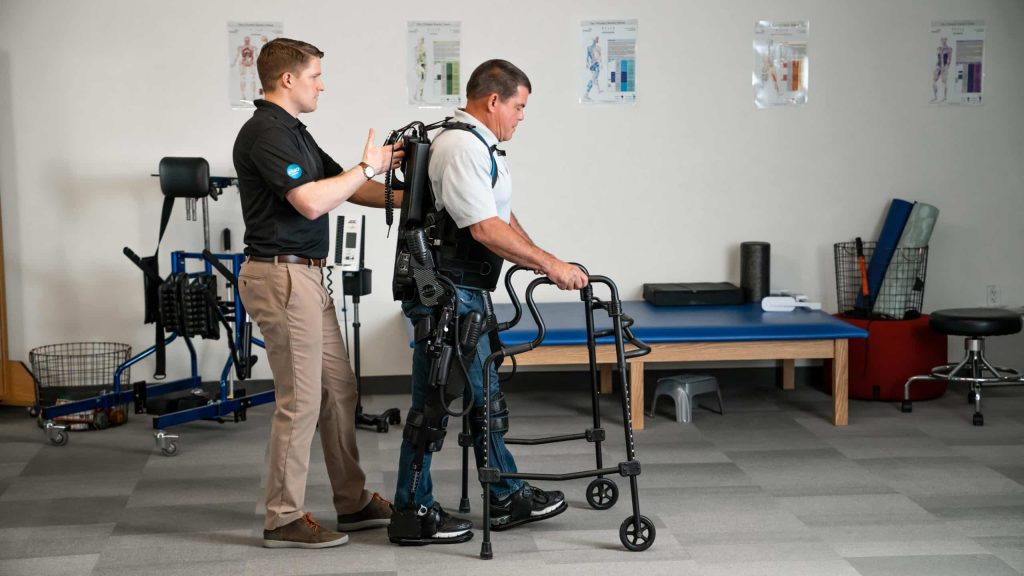
Exoskeleton suits are wearable robotic devices that are externally attached to the body to assist with movement. They are engineered to provide support to individuals with mobility impairments, enabling them to perform activities such as walking, standing, and climbing stairs. Exoskeletons can be powered by electric motors, pneumatic systems, or a combination of both, and they often incorporate sensors to detect user movement and intention.
Key Features of Exoskeleton Suits
- Assistive Technology: Exoskeletons are designed to assist users in performing movements they may struggle with due to injury or disability.
- Adjustable Fit: Most exoskeleton suits are adjustable to accommodate different body types and sizes, ensuring a comfortable and secure fit for users.
- Sensor Integration: Many exoskeletons use sensors to monitor user movements and provide real-time feedback, allowing for a more intuitive and natural experience.
- Battery-Powered: Most exoskeleton suits are battery-operated, providing mobility without the need for external power sources.
- User-Friendly Interface: Many devices feature easy-to-use controls, enabling users to operate the suit with minimal training.
Applications of Exoskeleton Suits in Rehabilitation
Exoskeleton suits have a wide range of applications in rehabilitation settings, including:
1. Physical Therapy
Exoskeletons are increasingly used in physical therapy to assist patients recovering from strokes, spinal cord injuries, or other conditions that impair mobility. These suits provide support during rehabilitation exercises, allowing patients to practice walking and other movements in a safe and controlled environment.
2. Gait Training
For individuals with gait abnormalities, exoskeleton suits can facilitate gait training by providing the necessary support to help patients learn to walk more effectively. The robotic assistance helps reinforce proper walking patterns and builds muscle strength over time.
3. Fall Prevention
Exoskeleton suits can enhance stability and balance, reducing the risk of falls among individuals with mobility impairments. By providing additional support, these devices enable users to navigate their environments more confidently.
4. Enhanced Independence
Exoskeletons empower users to perform daily activities that may have been challenging or impossible without assistance. This newfound independence can significantly improve the quality of life for individuals with disabilities, allowing them to engage more fully in social and recreational activities.
5. Research and Development
Exoskeletons are also used in research settings to study human movement and rehabilitation techniques. By analyzing how users interact with the suits, researchers can develop more effective therapies and improve the design of future exoskeletons.
The Transformative Impact of Exoskeleton Suits
The introduction of exoskeleton suits in rehabilitation has led to remarkable outcomes for many users:
1. Improved Mobility
Users of exoskeleton suits often report significant improvements in mobility. The ability to stand and walk again can be life-changing, restoring a sense of independence and agency.
2. Enhanced Rehabilitation Outcomes
Studies have shown that patients who use exoskeletons in their rehabilitation programs often achieve better outcomes compared to traditional therapy alone. The robotic assistance allows for more intensive training, leading to faster recovery times and improved functional abilities.
3. Psychological Benefits
Regaining the ability to walk can have profound psychological benefits for individuals with mobility impairments. Users often experience increased confidence, reduced feelings of isolation, and improved overall mental health.
4. Social Engagement
Exoskeleton suits enable users to participate in social activities and engage with their communities, fostering connections and reducing feelings of loneliness. The ability to move freely can enhance social interactions and improve the quality of life.
5. Empowerment
The use of exoskeletons empowers individuals to take an active role in their rehabilitation journey. By participating in their recovery, users gain a sense of control and ownership over their progress.
Conclusion
Exoskeleton suits represent a significant advancement in rehabilitation technology, offering enhanced mobility and independence for individuals with physical disabilities. By providing support for movement and facilitating rehabilitation, these innovative devices are changing lives and improving outcomes for users.
As technology continues to evolve, we can expect even more sophisticated exoskeleton suits that enhance functionality, comfort, and user experience. The future of rehabilitation is bright, with exoskeletons paving the way for greater accessibility and empowerment for individuals facing mobility challenges.
If you or someone you know is navigating the challenges of mobility impairment, consider exploring the possibilities offered by exoskeleton suits. These remarkable devices hold the potential to transform lives, providing hope and renewed independence for those who need it most.