

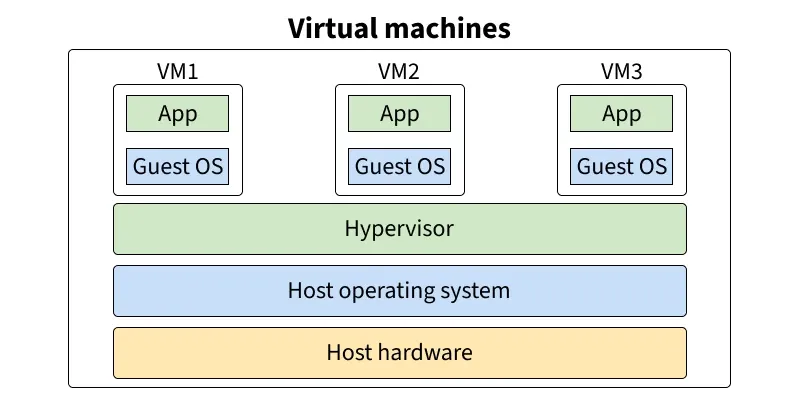
Jakarta, odishanewsinsight.com – Virtual Machines are software-based computing environments that emulate physical computers, allowing multiple operating systems and workloads to run on a single physical host. Each virtual machine functions like an independent computer with its own operating system, applications, memory allocation, storage, and networking, even though it shares the underlying hardware with other virtual machines. This capability has transformed how organizations build, manage, and scale their IT infrastructure.
What makes Virtual Machines so important is their role in improving efficiency, flexibility, and resource utilization. Instead of dedicating one physical server to one workload, virtualization allows organizations to consolidate systems, reduce hardware costs, simplify testing, and support rapid deployment across data centers and cloud environments. In modern IT, virtual machines are foundational to server management, software development, disaster recovery, and hybrid cloud operations. They are, in many ways, the reason one physical box can pretend to be several very busy boxes without filing a workplace complaint.
What Virtual Machines Are
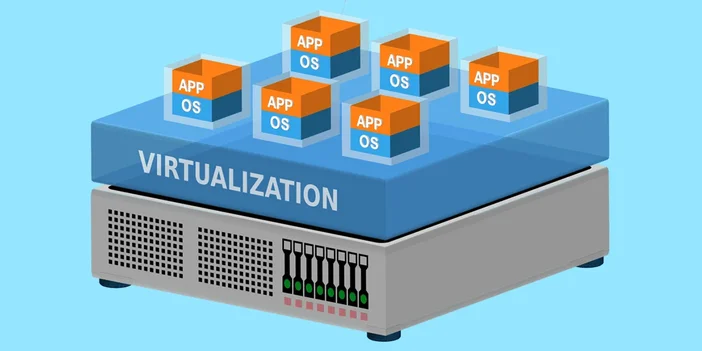
At their core, Virtual Machines are isolated software-defined systems that run operating systems and applications on shared physical hardware through virtualization technology.
Common characteristics of virtual machines include:
- Independent operating systems
- Virtualized CPU, memory, storage, and networking
- Isolation from other virtual machines
- Shared use of host hardware
- Support through a hypervisor
- Flexibility in deployment and scaling
- Compatibility with data center and cloud environments
These characteristics explain why virtual machines remain central to modern computing architecture.
Why Virtual Machines Matter
This matters because IT environments need to be more efficient, adaptable, and scalable than traditional one-server-one-purpose models allow.
Better Resource Utilization
Multiple workloads can run on the same hardware, reducing waste and improving efficiency.
Operational Flexibility
Virtual machines can be created, cloned, moved, and restored much more easily than physical systems.
Cost Optimization
Organizations can reduce spending on hardware, energy, cooling, and physical space.
Infrastructure Agility
Virtualization supports faster deployment, testing, scaling, and recovery across different environments.
This is why virtual machines remain essential to modern IT operations.
How Virtual Machines Work
Several technical components make Virtual Machines possible.
Physical Host
The host machine provides the hardware resources such as CPU, RAM, storage, and network connectivity.
Hypervisor
The hypervisor is the virtualization layer that creates and manages virtual machines on the host.
Guest Operating System
Each virtual machine runs its own operating system independently from the host and other guests.
Virtual Hardware Allocation
Resources are assigned to each VM in software, including processors, memory, disks, and network adapters.
Isolation and Management
Virtual machines are separated from one another, which improves control, security, and workload stability.
Together, these components allow one physical system to support many virtual computing environments.
Virtual Machines Overview Table
Below is a concise summary of the main dimensions of Virtual Machines.
| Component | Main Role | Why It Matters |
|---|---|---|
| Physical host | Supplies underlying hardware | Enables all VM operations |
| Hypervisor | Manages virtualization | Creates and controls virtual machines |
| Guest OS | Runs inside the VM | Supports applications and services |
| Virtual hardware | Allocates system resources | Makes each VM function like a real machine |
| Isolation | Separates workloads | Improves reliability and security |
Together, these elements show why virtualization is both practical and transformative.
Common Uses of Virtual Machines
Virtual Machines support a wide range of modern IT activities.
Server Consolidation
Organizations run multiple server roles on fewer physical systems.
Development and Testing
Teams create isolated environments for building, testing, and debugging software.
Disaster Recovery
VMs can be backed up, replicated, and restored more efficiently than many physical servers.
Cloud Computing
Many cloud services are built on virtualized infrastructure.
Legacy Application Support
Older software can continue running in virtualized environments even when physical platforms change.
These use cases show how virtual machines improve both efficiency and continuity.
Common Misunderstandings About Virtual Machines
A few assumptions can obscure the real value of virtualization.
Virtual Machines Are the Same as Containers
Containers and VMs both support isolated workloads, but VMs include full guest operating systems.
Virtualization Eliminates All Hardware Limits
Virtual machines still depend on the physical resources of the host system.
VMs Are Only for Large Enterprises
Small businesses, developers, and educational environments also use them widely.
Virtual Machines Are Always Slower Than Physical Systems
While there is some overhead, modern virtualization is highly optimized and often performs very effectively for many workloads.
Recognizing these distinctions helps clarify where virtual machines fit best.
Why Virtual Machines Continue to Matter
Virtual Machines continue to matter because modern IT depends on efficient infrastructure that can scale quickly, recover reliably, and support diverse workloads without unnecessary hardware sprawl. As organizations balance on-premises systems, cloud platforms, development pipelines, and business continuity requirements, virtualization remains one of the most practical tools for achieving flexibility and control. It allows infrastructure to become more abstract, portable, and manageable, which is exactly what modern operations need. In simpler terms, virtual machines help IT do more with less, and that sentence has probably paid for a great many server rooms.
It continues to matter because virtual machines help:
- Maximize hardware efficiency
- Simplify deployment and management
- Support testing and development
- Improve disaster recovery readiness
- Enable modern cloud and hybrid infrastructure
This is why virtual machines remain a core technology in modern IT infrastructure.
Final Thoughts
Virtual Machines are software-defined computing systems that allow multiple isolated workloads to run on shared physical hardware. Their importance lies in enabling efficiency, flexibility, scalability, and resilience across modern IT operations. From data centers to cloud platforms, virtual machines continue to power the infrastructure that supports digital services, business continuity, and evolving enterprise needs.
The key takeaway is simple. Virtual Machines matter because they transform physical hardware into flexible, scalable infrastructure for modern computing.
Explore our “”Technology“” category for more insightful content!
Don't forget to check out our previous article: Satellite Communications: Connecting the World from Above
