


Jakarta, odishanewsinsight.com – Satellite Communications refers to the transmission of voice, video, data, and other signals through artificial satellites orbiting the Earth. By relaying information between ground stations, user terminals, and network infrastructures, satellite communications makes it possible to connect locations that are difficult, expensive, or impossible to serve through traditional terrestrial networks. This technology plays a vital role in global broadcasting, navigation support, internet access, defense operations, maritime communication, aviation connectivity, disaster response, and remote infrastructure management.
What makes Satellite Communications especially important is its unmatched geographic reach. While fiber, cellular, and radio systems depend heavily on ground-based infrastructure, satellites can extend communication coverage across oceans, mountains, deserts, rural communities, and disaster-affected zones. In a world that relies increasingly on continuous connectivity, satellite systems provide resilience, scale, and strategic coverage where terrestrial systems fall short. It is the rare technology that can help a cargo ship, a remote village, and an aircraft all stay in touch without asking the terrain for permission.
What Satellite Communications Is
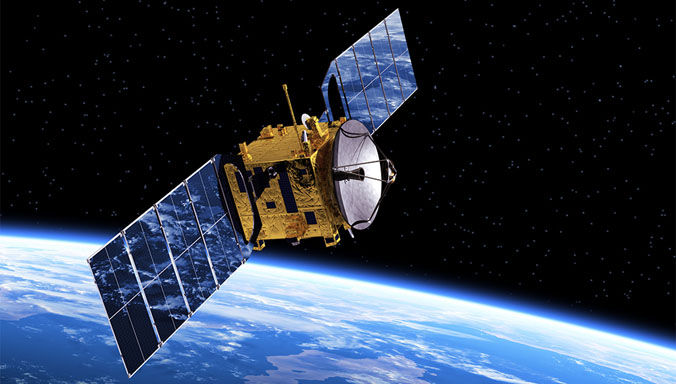
At its core, Satellite Communications is a wireless communication system that uses orbiting satellites to receive, amplify, and retransmit signals between different points on Earth.
Common functions of satellite communications include:
- Long-distance signal relay
- Television and radio broadcasting
- Internet access in remote areas
- Military and government communication
- Maritime and aviation connectivity
- Emergency and disaster response support
- Global data transmission
- Network backup and redundancy
These functions make satellite communications a foundational technology in global connectivity.
Why Satellite Communications Matters
This matters because many regions and operations cannot rely entirely on ground-based communication infrastructure.
Global Coverage
Satellite systems can provide communication access across vast geographic areas.
Remote Connectivity
They connect locations where cables, towers, or terrestrial links are impractical.
Disaster Resilience
Satellite links can remain available when natural disasters damage local communication infrastructure.
Strategic Importance
Governments, militaries, airlines, maritime operators, and broadcasters depend on satellites for critical operations.
This is why satellite communications remains essential in both commercial and public-sector infrastructure.
Key Components of Satellite Communications
Several main elements work together in a satellite communications system.
Space Segment
This includes the satellites in orbit that receive and retransmit signals.
Ground Segment
Ground stations, gateways, and control centers manage communication and satellite operations.
User Terminals
These are the devices or antennas that send and receive signals from end users.
Frequency Bands
Different communication bands are used depending on application, bandwidth needs, and environmental conditions.
Network Integration
Satellite systems often connect with terrestrial networks to support broader communication services.
Together, these components allow satellite communications to function as a large-scale connectivity framework.
Satellite Communications Overview Table
Below is a concise summary of the main dimensions of Satellite Communications.
| Component | Main Role | Why It Matters |
|---|---|---|
| Satellite | Relays communication signals | Enables long-range transmission |
| Ground station | Controls and routes traffic | Connects space systems with networks |
| User terminal | Sends and receives signals | Delivers access to end users |
| Frequency band | Determines signal behavior | Affects coverage, bandwidth, and reliability |
| Network integration | Links satellite and terrestrial systems | Expands service continuity and reach |
Together, these components explain how satellite communications supports worldwide connectivity.
Common Applications of Satellite Communications
Satellite Communications serves many industries and operational environments.
Broadcasting
Satellites distribute television and radio content across large regions.
Internet and Data Services
They provide broadband access in rural, isolated, or mobile settings.
Aviation and Maritime Operations
Aircraft and ships rely on satellite links for communication, navigation support, and connectivity.
Defense and Security
Military and government agencies use satellites for secure, wide-area communication.
Emergency Response
Satellite systems support communication during natural disasters, conflicts, and infrastructure outages.
These applications show the broad operational value of satellite communications.
Common Challenges in Satellite Communications
Despite its strengths, Satellite Communications also faces technical and economic challenges.
Signal Latency
Some satellite orbits create delays that affect real-time applications.
Weather Interference
Rain fade and atmospheric conditions can affect signal quality, especially in certain frequency bands.
High Infrastructure Costs
Satellite manufacturing, launch, and ground systems require substantial investment.
Capacity Constraints
Bandwidth is finite and must be managed efficiently across users and services.
These challenges show that satellite systems must balance reach, performance, and cost.
Why Satellite Communications Continues to Matter
Satellite Communications continues to matter because global connectivity is no longer optional. Economies, governments, transport systems, and communities depend on reliable communication across all kinds of terrain and circumstances. Satellites remain essential where ground infrastructure cannot reach, cannot scale quickly, or cannot survive disruption. As demand grows for rural broadband, mobile connectivity, resilient networks, and global coverage, satellite communications continues to evolve as a strategic layer of the world’s communication architecture. It is one of the few technologies that solves infrastructure gaps by going over them, which is both elegant and mildly show-offish.
It continues to matter because it helps:
- Extend communication to remote regions
- Support global transportation networks
- Provide disaster-resilient connectivity
- Strengthen defense and public infrastructure
- Complement terrestrial communication systems
This is why satellite communications remains a critical pillar of global connectivity.
Final Thoughts
Satellite Communications is the use of orbiting satellites to transmit and relay data, voice, video, and network services across the Earth. Its value lies in providing wide-area coverage, remote access, operational resilience, and strategic communication capabilities across industries and environments. By linking space-based infrastructure with terrestrial systems and user terminals, satellite communications helps ensure that connectivity can reach places where traditional networks cannot.
The key takeaway is simple. Satellite Communications matters because it enables reliable global connectivity from above, especially where the ground cannot easily serve.
Explore our “”Technology“” category for more insightful content!
Don't forget to check out our previous article: Pull Requests: Elevating Code Review and Quality Assurance in Your Workflow
