

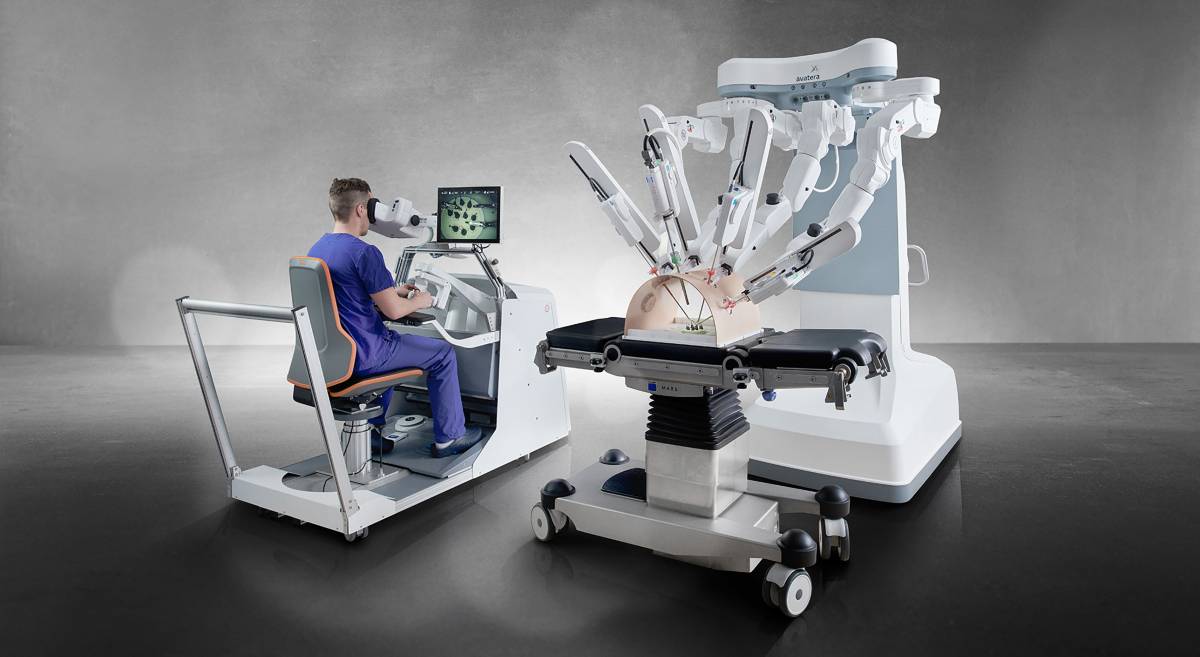
JAKARTA, odishanewsinsight.com – Robotic Surgery: Precision Operations with Automated Systems isn’t just some fancy buzzword—it’s quite literally reshaping the way we think about going under the knife. When I first heard about robotic surgery, I imagined a sci-fi scene: a bunch of machines hovering over a poor soul. I was so wrong.
The operating room is undergoing a high-tech revolution. Gone are the days when surgery meant only large incisions and long recovery times. Enter the era of Robotic Surgery, a field where human expertise meets mechanical precision. While the idea of a “robot” performing surgery might sound like science fiction, it is a daily reality in hospitals worldwide. This article dives into what robotic-assisted procedures actually entail and offers my honest perspective on why this shift matters for the future of medicine.
What Exactly is Robotic Surgery?
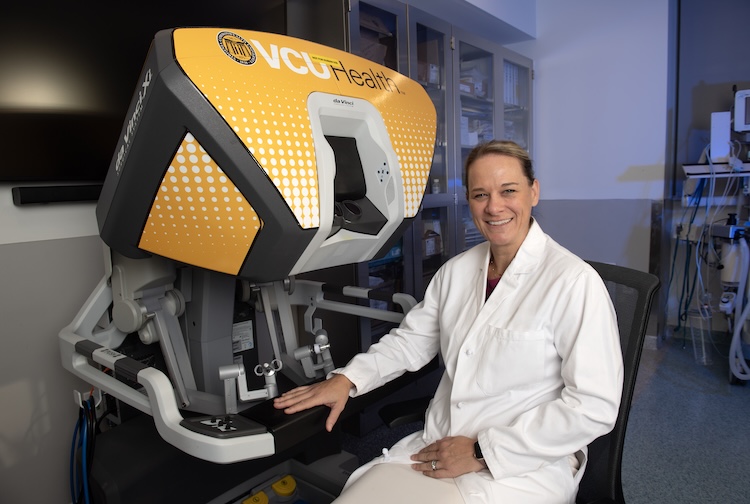
Contrary to popular belief, Robotic Surgery does not mean a robot is making independent decisions on the operating table. Instead, it refers to “robot-assisted” surgery. A highly trained surgeon sits at a console a few feet away from the patient and controls robotic arms equipped with tiny surgical instruments and a high-definition 3D camera.
The system translates the surgeon’s hand movements into smaller, ultra-precise movements inside the patient’s body. This allows for “minimally invasive” procedures, where complex operations can be performed through incisions no larger than a thumbnail.
The Precision Advantage: Why It’s a Game Changer
The main advantage of robotic surgery lies in its exceptional precision. While human hands naturally have slight tremors, no matter how skilled, robotic systems eliminate these tiny movements, achieving a steadiness that humans alone cannot match.
Furthermore, the robotic arms have a greater range of motion than the human wrist. They can rotate 360 degrees and navigate tight spaces within the body with ease. This is particularly beneficial for delicate procedures in urology, gynecology, and cardiac surgery, where avoiding damage to surrounding nerves and blood vessels is critical.
My Real Take: The Honest Truth You Need to Hear
Now, for my “real take.” While Robotic Surgery is undeniably impressive, it is important to look past the marketing hype. Here is the reality:
- The Surgeon Matters More Than the Machine: A robot is only as good as the person operating it. You shouldn’t just look for a hospital with the latest “da Vinci” system; you should look for a surgeon who has performed hundreds of robotic procedures. Experience is the ultimate safety feature.
- Cost vs. Benefit: These systems cost millions of dollars to purchase and maintain. This often translates to higher bills for patients or insurance providers. While the recovery time is shorter, we have to ask if the marginal benefit always justifies the massive price tag for every type of procedure.
- The “Feel” Factor: In traditional surgery, doctors use their sense of touch (haptics) to feel the density of tissue or the tension of a stitch. In current Robotic Surgery systems, that physical feedback is largely missing. Surgeons have to rely entirely on visual cues, which is a significant learning curve.
Benefits for the Patient: The Silver Lining
Despite the critiques, the benefits for the patient are often undeniable. Because Robotic Surgery is minimally invasive, patients typically experience:
- Less Blood Loss: Smaller incisions mean less trauma to the body.
- Reduced Pain: Most patients require fewer painkillers post-op.
- Shorter Hospital Stays: Many people go home a day or two earlier than they would with open surgery.
- Faster Return to Normal Life: The overall “downtime” is significantly reduced, which is a huge win for anyone with a busy life.
The Future: Automation and Remote Operations
We are currently in the “assisted” phase of Robotic Surgery, but the future points toward more automation. We may soon see robots that can perform specific, repetitive tasks—like suturing—automatically, under the watchful eye of a doctor.
There is also the potential for “Telesurgery,” where a specialist in New York could operate on a patient in a rural village thousands of miles away via a high-speed 5G connection. This could democratize access to elite surgical care in a way we’ve never seen before.
Conclusion
Robotic Surgery represents a massive leap forward in our ability to heal the human body with minimal collateral damage. It is a tool that enhances the best of human skill with the best of mechanical engineering. However, as we embrace this automated future, we must remain critical of the costs and ensure that the focus stays where it belongs: on the safety and well-being of the patient. The robot is the tool, but the healing is still a human endeavor.
Explore our “Technology” category for more insightful content!
Don't forget to check out our previous article: Generational Technology Gaps: Bridging the Divide in Digital Fluency
