

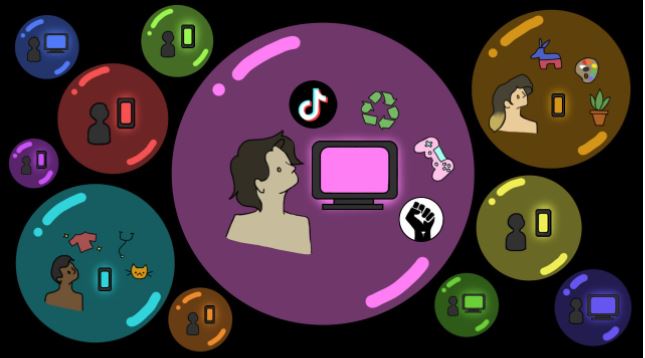
JAKARTA, odishanewsinsight.com – Filter Bubbles: How Algorithms Shape Our Online World isn’t just some tech buzz phrase. Seriously, I had no clue I was stuck in one until I realized my feed was basically serving me the same stuff every day. And trust me, it took missing out on big news (like, totally embarrassing at work) for me to see how these sneaky online bubbles can limit us.
In the digital landscape, the way we consume information has been profoundly transformed by algorithms. These algorithms curate our online experiences, often leading us into what are known as Filter Bubbles. Understanding this phenomenon is crucial, as it not only shapes our perceptions but also influences our interactions with the world around us. This article explores the concept of filter bubbles, how they are created, and why bursting your own filter bubble is essential for a more informed life.
What Are Filter Bubbles?

Filter Bubbles refer to the personalized online environments that algorithms create based on our preferences, behaviors, and past interactions. This means that the information we see is tailored to fit our existing beliefs and interests, often isolating us from diverse perspectives and ideas. The term was popularized by internet activist Eli Pariser, who warned that these bubbles can lead to a form of intellectual isolation.
How Filter Bubbles Are Created
- Algorithmic Personalization: Social media platforms, search engines, and news websites use algorithms to analyze our online behavior. They track what we click on, what we like, and how long we engage with various types of content. This data is then used to curate a personalized feed that aligns with our preferences.
- Engagement Metrics: Algorithms prioritize content that generates high engagement (likes, shares, comments). As a result, sensational or emotionally charged content often rises to the top, reinforcing existing beliefs and creating a skewed perception of reality.
- Homophily: This social phenomenon describes our tendency to associate with like-minded individuals. In online spaces, this leads to echo chambers where similar viewpoints are amplified, further entrenching our beliefs.
The Impact of Filter Bubbles
The consequences of filter bubbles can be significant:
- Narrowed Perspectives: When exposed only to information that aligns with our views, we miss out on diverse opinions and critical discussions. This can lead to a skewed understanding of complex issues.
- Increased Polarization: Filter bubbles can contribute to societal polarization, as individuals become more entrenched in their beliefs and less willing to engage with opposing views.
- Misinformation and Disinformation: By limiting exposure to a variety of sources, filter bubbles can facilitate the spread of misinformation, as users may not encounter fact-checking or alternative viewpoints.
Why You Need to Burst Your Filter Bubble
Bursting your filter bubble is essential for several reasons:
- Broaden Your Understanding: Engaging with diverse perspectives can enhance your critical thinking skills and help you understand complex issues more thoroughly.
- Foster Empathy: Exposure to different viewpoints can foster empathy and understanding, reducing hostility toward those with differing opinions.
- Combat Misinformation: By seeking out credible sources and diverse information, you can better identify misinformation and make more informed decisions.
Strategies to Burst Your Filter Bubble
Here are some effective strategies to help you break free from filter bubbles:
1. Diversify Your Sources
Make a conscious effort to gather news and information from a wide range of sources, including those that challenge your current beliefs. This might involve reading articles with different political viewpoints or exploring news from international outlets.
2. Engage with Different Communities
Participate in online forums or social media groups that cover topics beyond your usual interests. Interacting with diverse communities can introduce you to fresh ideas and different viewpoints.
3. Limit Algorithmic Influence
Adjust your social media settings to reduce algorithmic filtering. For example, you can follow accounts that share diverse viewpoints or turn off personalized recommendations.
4. Practice Critical Thinking
Question the information you consume. Look for evidence, check sources, and consider the context of the information presented. This practice can help you develop a more nuanced understanding of issues.
5. Take Breaks from Social Media
Consider taking breaks from social media to reduce the influence of algorithms on your information consumption. Use this time to read books, listen to podcasts, or engage in discussions with people from different backgrounds.
Conclusion
Filter Bubbles are a powerful force in shaping our online experiences, often leading us to a narrow understanding of the world. By recognizing their existence and actively working to burst our own bubbles, we can cultivate a more informed, empathetic, and engaged society. In a world filled with information, the ability to seek out diverse perspectives is more important than ever. Start today—challenge your assumptions, explore new ideas, and break free from the confines of your filter bubble!
Explore our “Technology” category for more insightful content!
Don't forget to check out our previous article: Open Innovation: Collaborating on Technological Development for Real Results
